 ×
×
Glass packaging for cosmetics actually helps cut down on carbon emissions in two main ways: through reuse and recycling. Most glass containers can be reused around 20 times before they get sent for recycling, and every time someone reuses them instead of buying new ones, it slashes production emissions by about 85%. Recycling glass itself is also better for the environment since it takes roughly 30% less energy than making brand new glass from scratch because the melting temperature isn't as high. What makes this really work is that when old glass gets broken down into what's called cullet, it basically replaces all those expensive raw materials like sand and soda ash we normally need. This saves precious natural resources and keeps tons of waste out of landfills. Companies that set up refill stations either at their stores or through mail back programs are seeing some impressive results too. Some beauty brands report cutting their yearly carbon footprint by nearly half just by offering refills. And unlike plastics which degrade over time, glass stays pure no matter how many times it goes through the recycling process without losing quality or letting chemicals seep out.
Life cycle assessments (LCAs) confirm glass’s long-term environmental superiority over plastic in cosmetic packaging—despite higher initial production energy. While plastic’s lighter weight reduces transportation emissions by 15–20%, glass outperforms across full lifecycle metrics:
| LCA Phase | Glass Packaging | Plastic Packaging |
|---|---|---|
| Raw Material | Mineral-based (sand/soda ash) | Petroleum-derived |
| Production | Higher energy input | 30% lower CO2 |
| Recyclability | Infinite cycles (no quality loss) | Avg. 2–3 cycles (downcycling) |
| End-of-Life | 80% recyclability rate | 9% recycled; 79% landfilled |
A single piece of glass can actually balance out its manufacturing impact after being reused about 3 to 5 times. Plastic tells a different story altogether. Most people know it doesn't recycle well, but what many don't realize is how bad it really is when it comes to microplastics getting into our environment. The Ponemon Institute reported last year that this issue costs around $740 billion each year in environmental damage alone. That makes a huge difference in sustainability comparisons. Glass containers keep products fresh too because they don't let air or moisture through like plastic does. Studies show this can cut down on spoiled goods by nearly 17%. Companies aiming for those net zero goals should take note here. Glass isn't just better for the planet, it's supported by actual research and works at scale across various industries.
About 60% of people buying beauty products these days put sustainable packaging right at the top of their shopping list, which has created real buzz around refillable options and glass containers that can be recycled endlessly. Glass just holds up better than plastic when it gets reused or recycled multiple times. The material keeps looking good and stays structurally sound, which makes it work really well for things like bottle return schemes and those refill stations we're starting to see in stores. Beyond cutting down on throwaway waste, these kinds of programs actually build stronger relationships with customers too. Plus they fit nicely with all the new rules coming out worldwide about reducing plastic usage. Health minded folks especially appreciate glass because it doesn't leach harmful chemicals into products like some plastics might do over time.
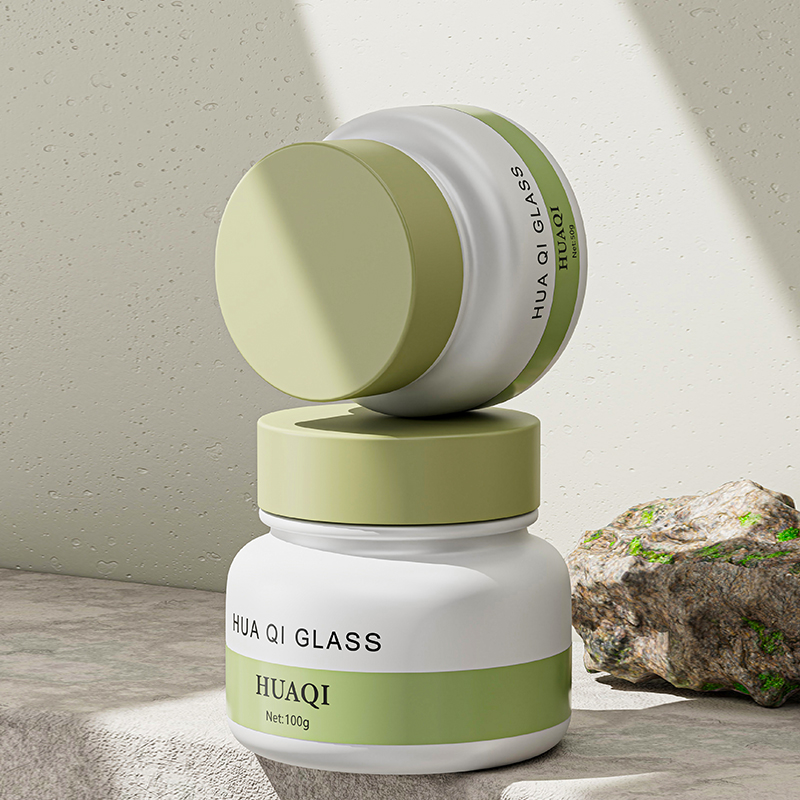
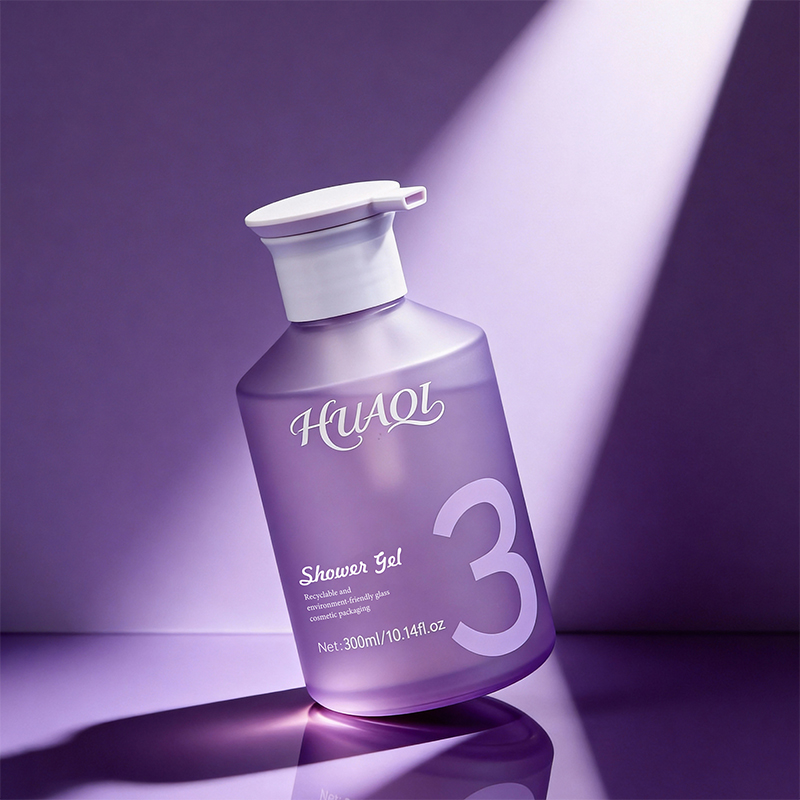
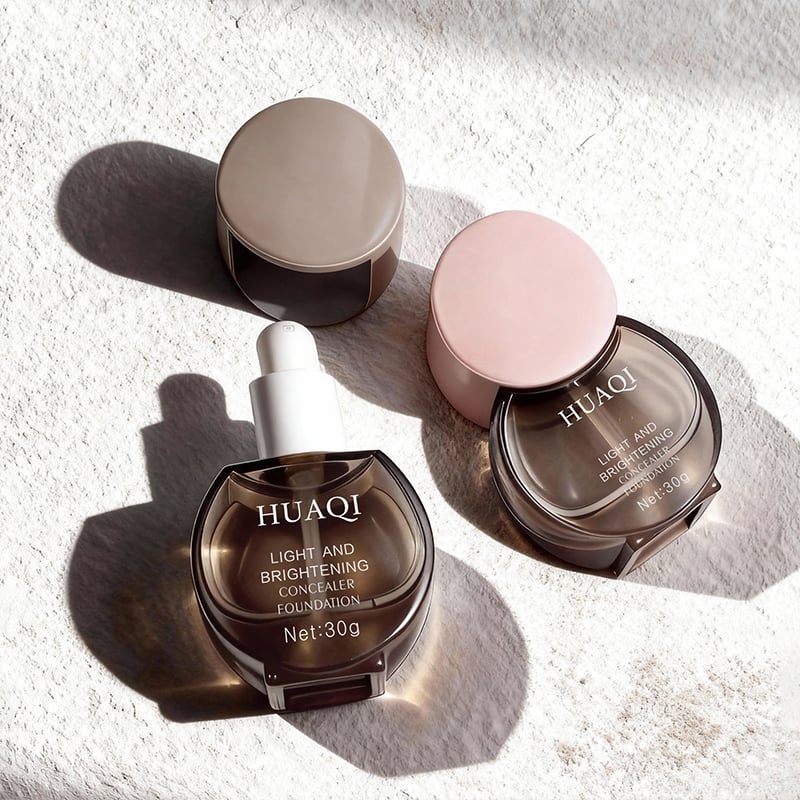
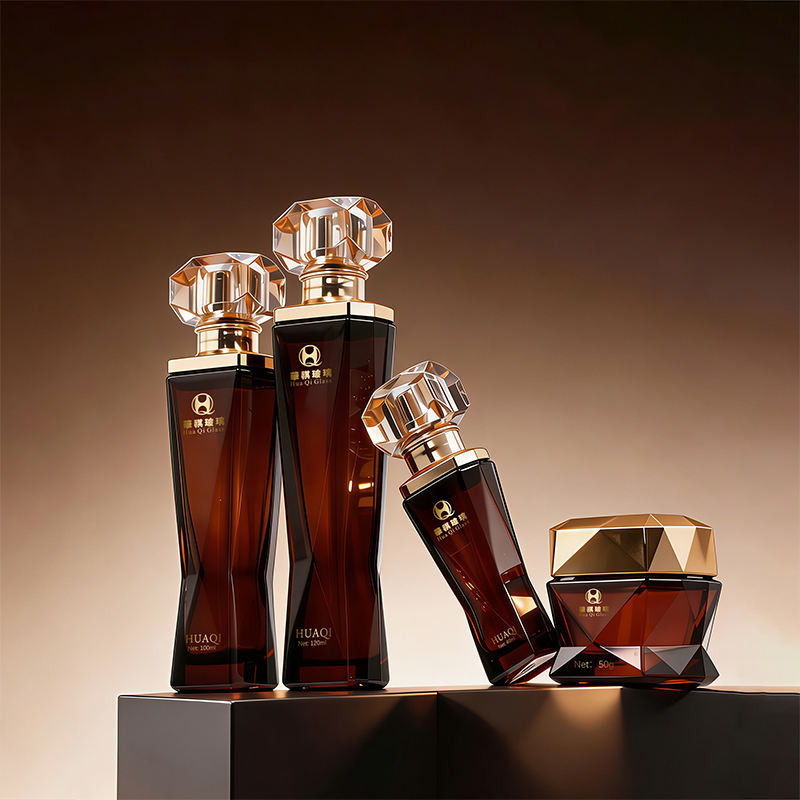
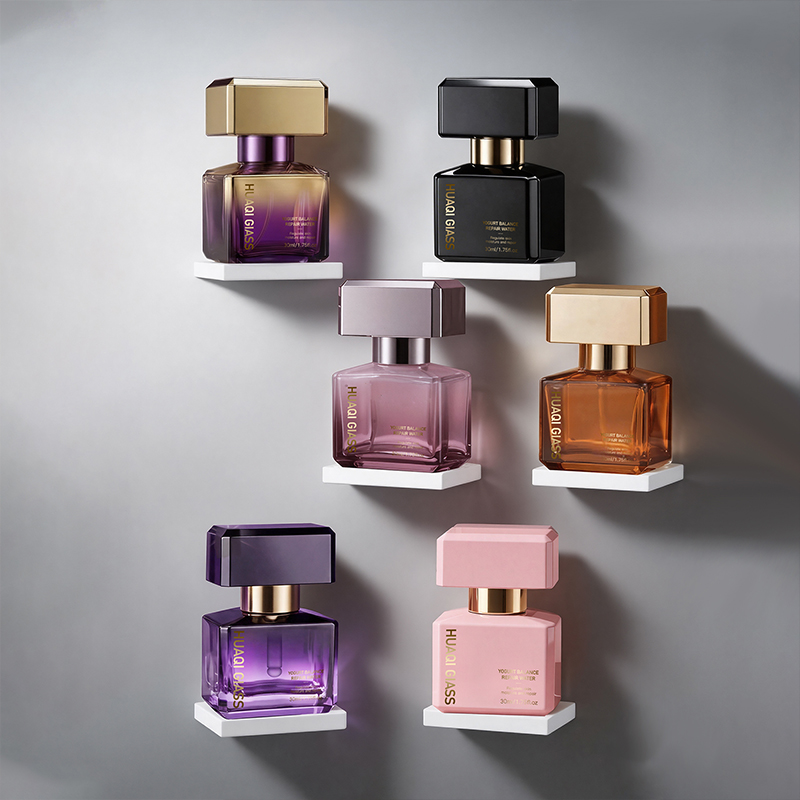
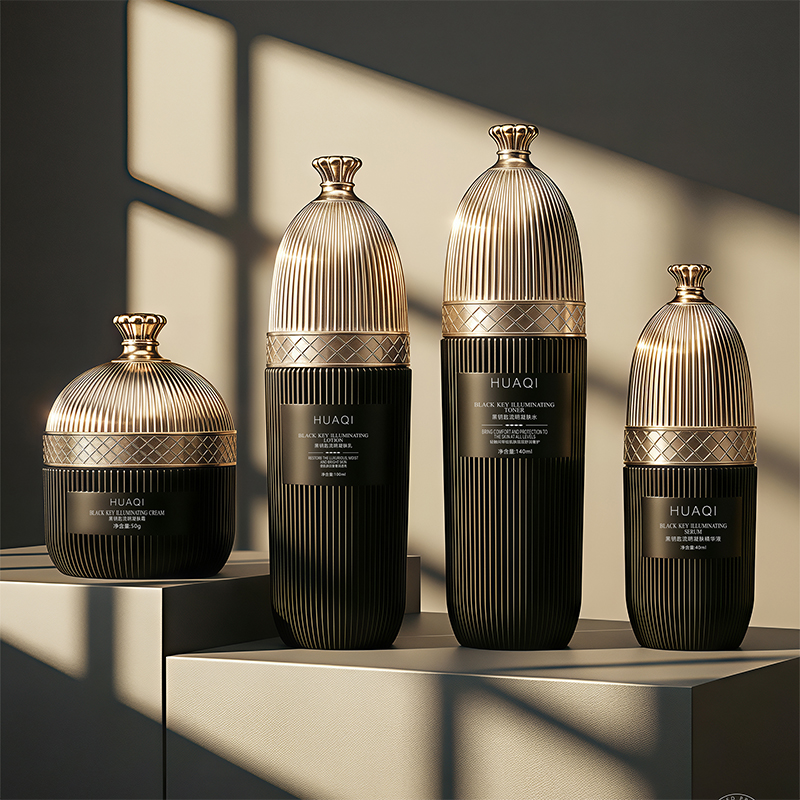
Glass packaging manages to combine the look of luxury with being environmentally responsible, which lets companies charge anywhere from 15 to 30 percent more than similar products in plastic. The heaviness, clear appearance, and way it feels when touched all scream premium quality, something that really appeals to people who can afford to pay extra. Most folks (about 7 out of 10) actually think glass containers perform better and make brands seem more prestigious. On platforms like Instagram and TikTok, glass packaging stands out because it looks so good in photos. People love sharing unboxing videos featuring these shiny glass packages, giving them free exposure online. Combine this with clever refill systems and suddenly glass becomes part of what makes a brand special. Customers start associating sustainability not just with eco friendliness but also with exclusive experiences and beautiful designs that feel worth paying for.
Glass might be considered infinitely recyclable on paper, but when it comes to actual recycling rates for cosmetic glass products, things get pretty messy. The problem isn't just about wanting to recycle these items either. Many areas simply don't have curbside pickup options available, so people end up having to take them to special drop off locations. According to Waste Management World back in 2022, this inconvenience alone cuts down how many consumers actually bother to recycle by around 40%. Cosmetic containers present particular problems because they tend to have very thin walls that crack easily during transportation, which then messes up other materials like paper and plastics in the same batch. Decorative or frosted bottles often contain mixed colors and sometimes bits of ceramic, stone, or porcelain too. These impurities really hurt the quality of recycled glass (called cullet), making it not good enough for creating new high quality packaging. Most single stream recycling systems can't tell the difference between regular drink bottles and those fancy cosmetic ones anyway, so there's limited chance for true circular economy here. To fix all this, we need better local collection programs that fit each area's needs, more money going into advanced sorting machines, and honest conversations with customers about why proper disposal matters. Only then can cosmetic glass move beyond being just another sustainability buzzword.
 Hot News
Guangdong Huaqi Packaging provides premium cosmetic glass bottles, perfume bottles, and custom caps for global beauty brands. ISO9001/REACH certified, 8000+ molds, 95% repeat orders. Request OEM/ODM quote today.
Room 416, 4th Floor, Building A, Enterprise Service Center, No. 1 Guangzhou Road, Guangzhou (Qingyuan) Industrial Transfer Park, Shijiao Town, Qingcheng District, Qingyuan City
Copyright © Guangdong Huaqi Packaging Products Co., Ltd. --Privacy Policy

 EN
EN