 ×
×
Glass lotion bottles are a popular choice for packaging skincare, cosmetic, and pharmaceutical products, thanks to their excellent chemical stability, recyclability, and premium appearance. However, selecting the right one requires careful consideration of multiple factors to ensure it aligns with your product’s needs, user experience, and brand positioning. Below is a detailed breakdown of the key aspects to focus on.
1.Prioritize Glass Material Safety and Suitability
The safety and compatibility of the glass material with your emulsion are non-negotiable, as it directly affects product quality and user health.
2. Determine the Right Capacity and Size
The capacity and physical size of the bottle should match your product’s usage scenario, shelf life, and consumer habits.
3.Capacity Selection
Emulsion bottles typically range from 5ml to 100ml, with common sizes including 15ml, 30ml, 50ml, and 60ml.
Consider the following:
For targeted treatments (e.g., eye creams or anti-aging serums), smaller capacities (15ml–30ml) are better to maintain freshness.
4.Physical Size and Portability
Consider the bottle’s height, diameter, and weight: Travel-Friendly: If your product is designed for travel, opt for compact, lightweight bottles (≤30ml) that fit easily in carry-on luggage and comply with airline liquid regulations.Storage Convenience:
Common options for glass Lotion bottles include:
5. Pump Dispensers
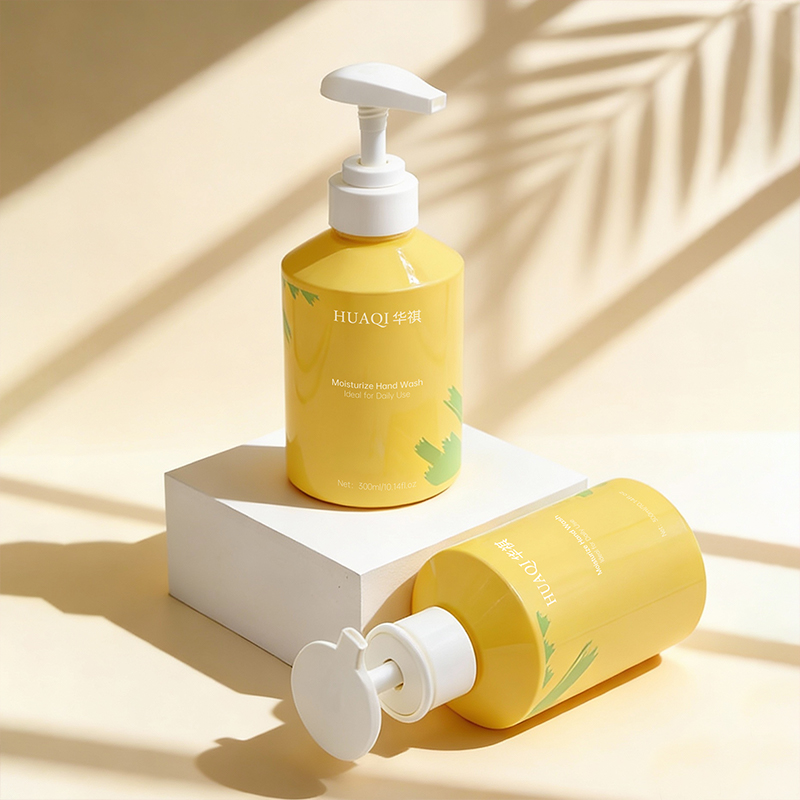
Ideal for large-capacity emulsions (30ml+) and products used daily. Advantages: Precise dosage control (avoids overuse).Minimizes contact between the emulsion and air/bacteria, reducing oxidation and contamination—critical for ingredients like vitamin C or hyaluronic acid.Easy to use with one hand.
Tips: Choose a pump with a tight seal to prevent leakage. For thick emulsions, select a pump with a larger dispensing opening to avoid clogging.
6.Dropper Dispensers
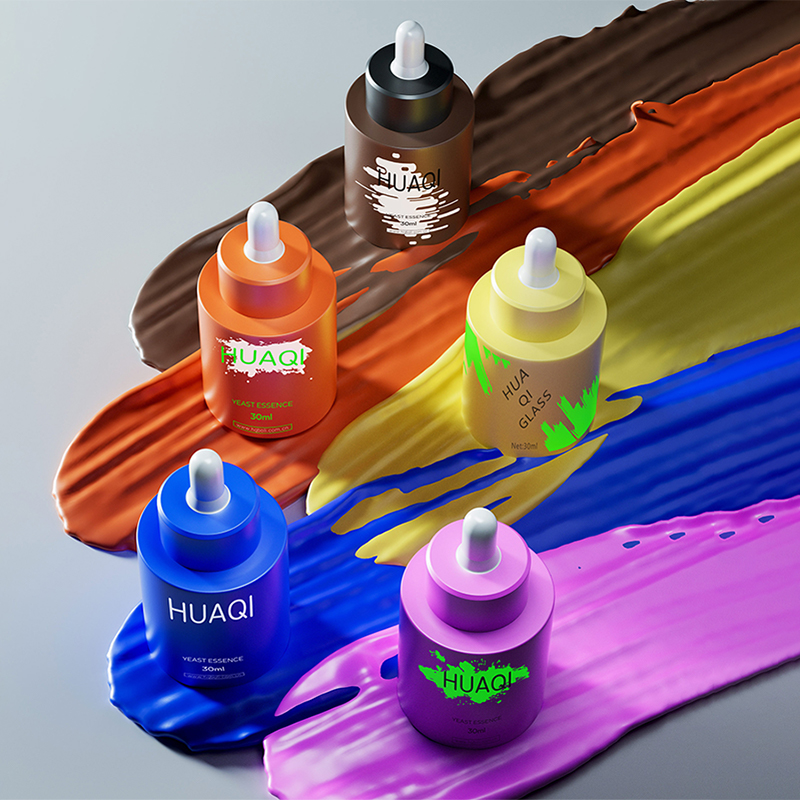
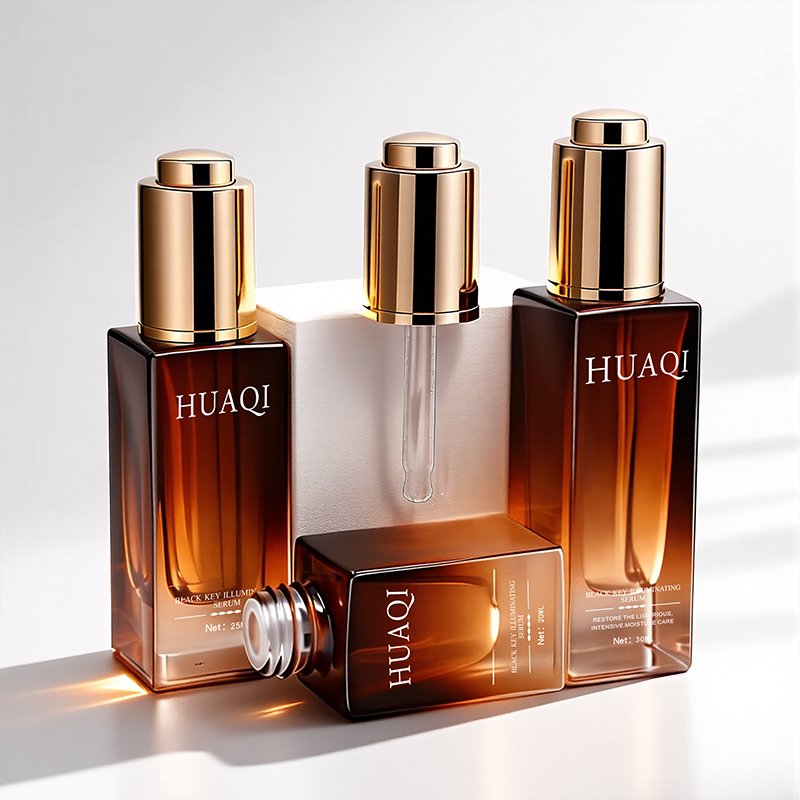
Suitable for small-capacity, high-concentration emulsions (e.g., serums, eye creams, or facial oils).
Advantages: Ultra-precise dosage, perfect for targeted application (e.g., around the eyes or on blemishes).Seals tightly to protect sensitive ingredients from air and light.
Tips: Opt for a glass dropper (instead of plastic) for better chemical compatibility, and ensure the dropper’s tip is smooth to avoid skin irritation.
7.Consider Light Protection (Opaque vs. Transparent)
Many emulsion ingredients (e.g., retinol, vitamin E, natural plant extracts) are sensitive to light and can degrade, losing efficacy. Choose the right glass opacity based on your product’s ingredients:
Opaque Glass (Matte Black, Amber, Frosted): Provides excellent UV protection, blocking harmful light rays to preserve the stability of active ingredients. Ideal for anti-aging emulsions, serums with vitamin C or retinol, and products with natural extracts.
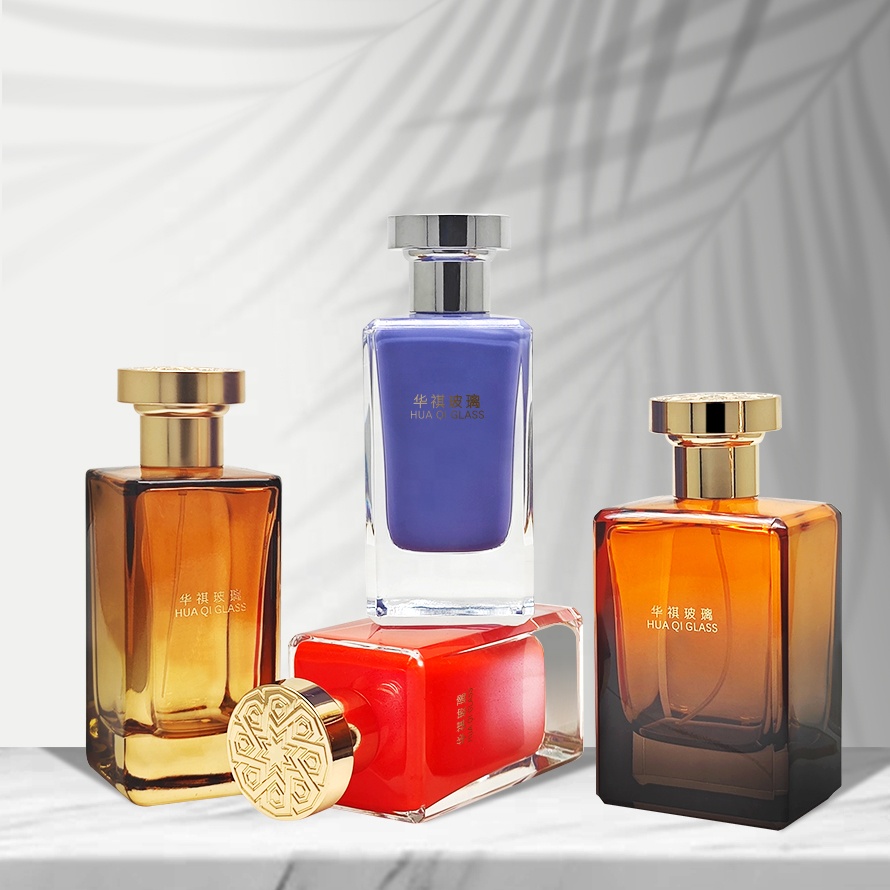
Transparent Glass: Showcases the emulsion’s color and texture, which is visually appealing for products with a clean, natural aesthetic (e.g., clear or pastel-colored moisturizers). However, only use transparent glass if your emulsion is formulated with light-stable ingredients, or pair it with a secondary light-protective packaging (e.g., a cardboard box).
8. Evaluate Aesthetics and Brand Alignment
Glass lotion bottles are often chosen for their premium look, so their design should reflect your brand’s identity and appeal to your target audience.
Bottle Shape and Finish
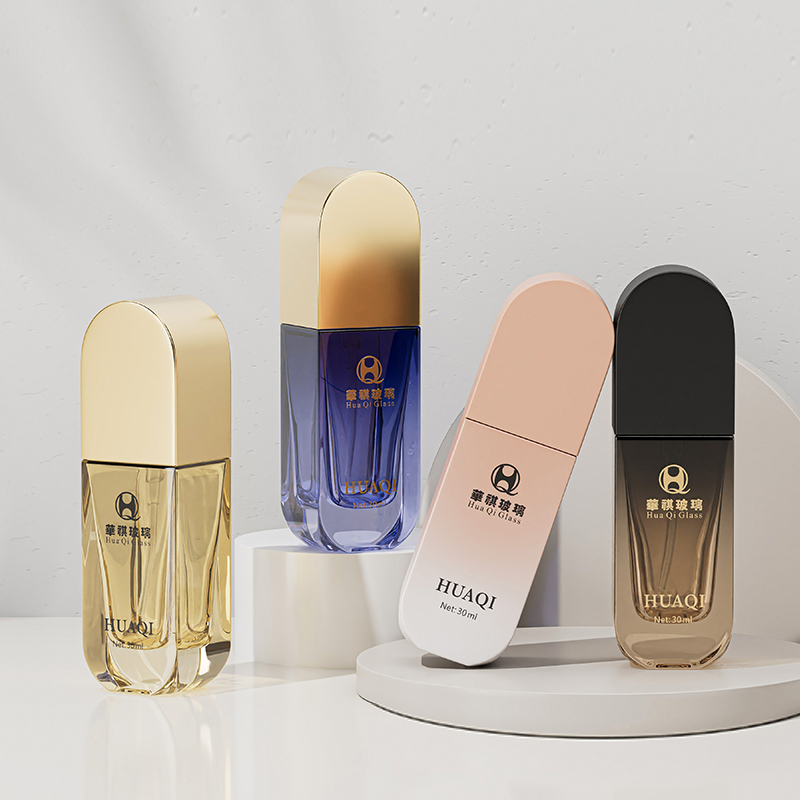
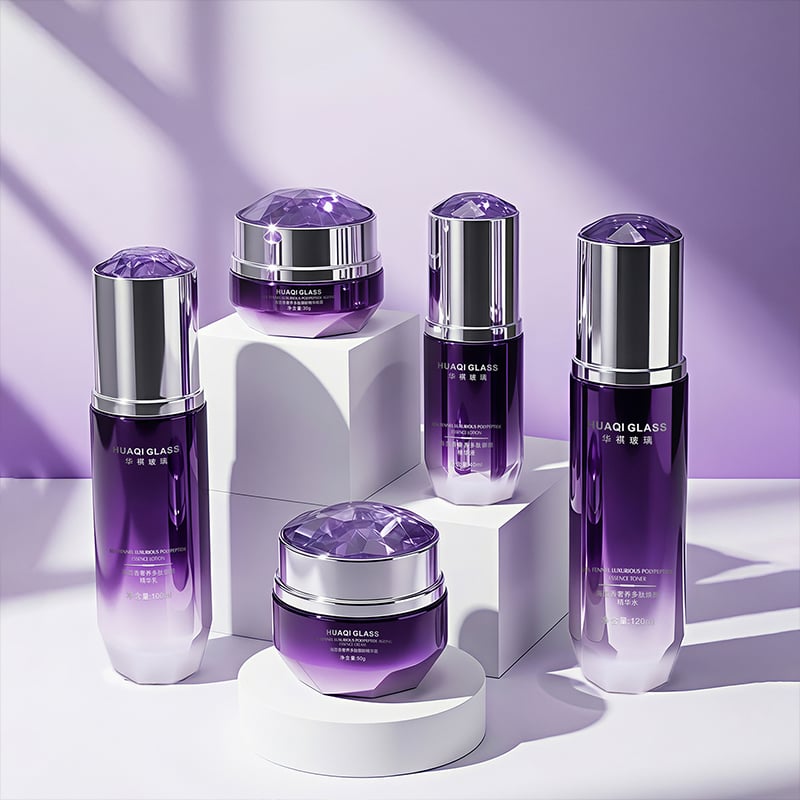
Shape: Classic shapes (cylindrical, square) are versatile and suitable for most brands, while unique shapes (curved, tapered) can help your product stand out on shelves. Ensure the shape is ergonomic—easy to hold and squeeze (if applicable).
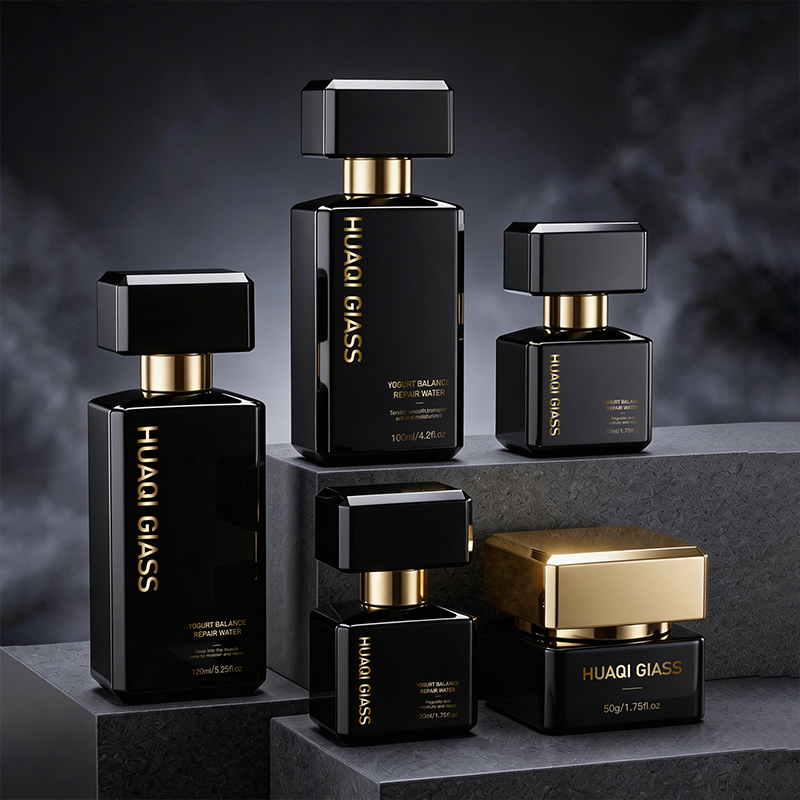
Finish: Polished, smooth glass conveys luxury, while frosted or matte finishes add a modern, understated touch. Textured finishes (e.g., ribbed or embossed) can enhance grip and visual interest.
9. Customization Options
Customization can strengthen brand recognition: Printing/Labeling: Use screen printing, hot stamping, or adhesive labels to add your brand logo, product information (ingredients, usage instructions), and expiration date. Ensure the printing is waterproof and fade-resistant, especially for bathroom use.Color: Tinted glass (e.g., amber, green, blue) not only provides light protection but also adds a unique brand color identity.6. Assess Durability and Leakage Resistance Glass is inherently fragile, so durability and leakage resistance are key to preventing product waste and negative consumer experiences.
Thickness and Reinforcement: Choose glass with sufficient thickness (usually 1–2mm) to withstand accidental drops and transportation impacts. Some bottles have reinforced bases or rounded edges for added durability.
Leakage Resistance: Check the fit between the bottle neck and the dispensing system (pump/dropper/lid). Look for bottles with threaded necks and silicone or rubber gaskets to create a tight seal, preventing leakage during transportation or use.
10. Conduct Compatibility and Usability Tests
Before finalizing your choice, conduct practical tests to ensure the bottle is suitable for your product:
Compatibility Test: Fill the bottle with your emulsion and store it under different conditions (e.g., high temperature, direct light) for 1–3 months. Check for changes in the emulsion’s color, texture, or scent, and ensure no chemical reactions occur with the glass or dispensing system.
Usability Test: Have target consumers test the bottle—evaluate how easy it is to dispense, hold, and store. Gather feedback on potential issues (e.g., pump clogging, dropper inaccuracy, or bottle slipperiness) and make adjustments accordingly.
Final Thoughts
Choosing the right glass lotion bottle requires a balance of safety, functionality, aesthetics, and cost. By prioritizing glass material compatibility, selecting the appropriate capacity and dispensing system, ensuring light protection and durability, and aligning the design with your brand, you can create a packaging solution that enhances your product’s value and delights consumers. Always test thoroughly and partner with reputable suppliers to ensure consistent quality.
 Hot News
Guangdong Huaqi Packaging provides premium cosmetic glass bottles, perfume bottles, and custom caps for global beauty brands. ISO9001/REACH certified, 8000+ molds, 95% repeat orders. Request OEM/ODM quote today.
Room 416, 4th Floor, Building A, Enterprise Service Center, No. 1 Guangzhou Road, Guangzhou (Qingyuan) Industrial Transfer Park, Shijiao Town, Qingcheng District, Qingyuan City
Copyright © Guangdong Huaqi Packaging Products Co., Ltd. --Privacy Policy

 EN
EN