 ×
×
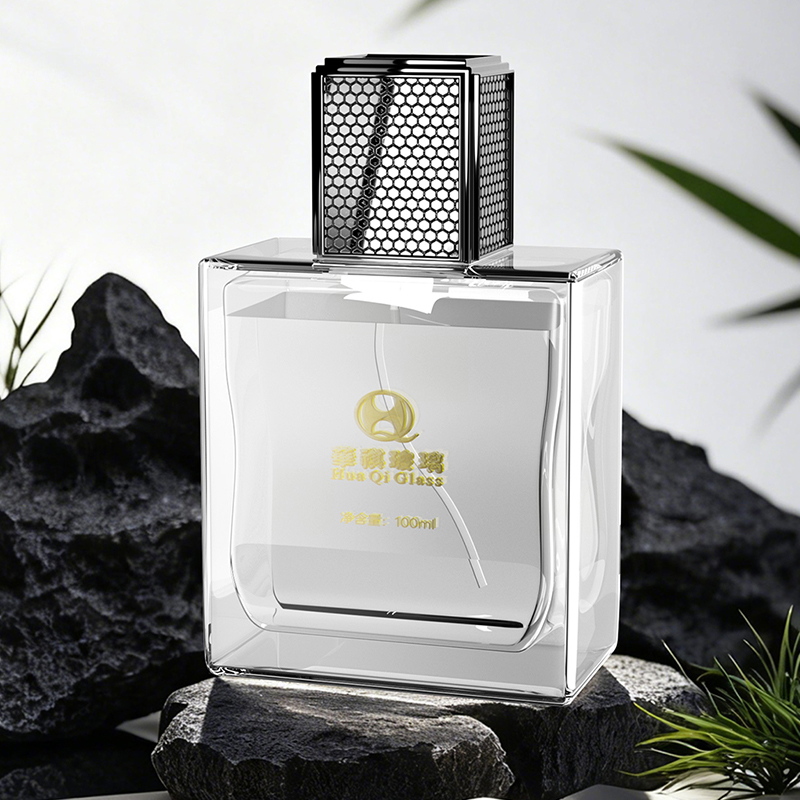
When working with a custom perfume bottle maker, brands have to pick between their own molds or sharing them with others. Going private means getting full control over designs and standing out from competitors, but it comes at a price tag of around $15k to $50k up front plus waiting 12 to 16 weeks before anything ships. Shared mold options save about two thirds on cost and get products made much faster, usually within 4 to 6 weeks. This makes sense for new brands trying to see if there's demand for their product without breaking the bank. However, these shared molds just don't offer the same level of unique looks as private ones do. Most high end brands stick with private tooling because they want that special something that sets them apart. Meanwhile, newer companies and independent perfumers are turning more often to shared programs as a way to test waters without putting all their eggs in one basket.
Leading manufacturers these days can handle everything from small batches of just 50 units meant for special releases or working with influencers all the way up to big orders from OEMs that sometimes go beyond 50 thousand pieces. When companies want to make those smaller runs, they typically turn to quick prototyping methods along with CNC machining. This approach lets them try things out and make changes quickly without having to invest in expensive tools upfront. For larger productions, factories switch gears completely. They use automated rotary presses and moving assembly lines decorated with various finishes to keep up with demand while maintaining good quality throughout. The ability to scale like this really helps cut down on inventory problems. According to recent data from Packaging Insights in 2025, around seven out of ten new businesses that start with micro batch production find themselves reaching their break even point much sooner than expected.
Modular tooling systems come with interchangeable mold parts that make it possible to switch between different bottle shapes and sizes without much hassle. When combined with digital twin technology, companies can run simulations for things like how liquids fill containers, where materials might break under pressure, and even test how bottles hold up when dropped all before making any actual physical tools. According to research from the Sustainable Packaging Coalition in 2024, this approach shrinks development time by around 40 percent and slashes material waste down about 29%. The result? Pilot production runs transition smoothly into full scale manufacturing without compromising on quality control standards that demand absolutely no defects whatsoever.
Premium glass is still considered the gold standard when it comes to preserving fragrances, but now manufacturers are taking things up a notch. They're using glass that contains at least 85 percent post consumer recycled content, and the melting process runs on clean, renewable energy sources. What does this mean? Production emissions drop by around 60 percent while maintaining crystal clear appearance and solid structural strength. The companies have invested heavily in advanced sorting systems and purification methods so that recycled glass actually meets those high purity standards nobody wants any contaminants messing up their precious scents. Plus there's been some clever lightweighting work done too, cutting down on materials needed by somewhere between 15 and 20 percent. This helps companies save money on resources while also making bottles easier to handle for consumers. All these improvements fit right into regulations such as the EU Packaging Directive set for 2025, allowing brands to stay ahead of the curve on environmental concerns without losing that luxurious feel customers expect from premium products.
Aluminum can be recycled again and again without losing quality, plus it creates about 70% less carbon emissions compared to producing new material from scratch. When they apply anodizing techniques, the surface becomes both tough and colorful. Then there's Bio-PET made from sugarcane which gives clear packaging without any petroleum products while still performing just as well against barriers as regular PET does. Great stuff for travel sized items and sample packs really. What stands out most though are those mycelium composites grown from fungi networks. These materials create textures that feel amazing to touch and completely break down in around 45 days after disposal. But working with these alternatives takes some special know how. For aluminum containers, manufacturers need to line them internally so fragrances don't get affected. Bio-PET has to include UV protection additives to keep looking clear over time. And growing mycelium parts requires careful management of moisture levels during production. Smart companies help their clients navigate all these practical considerations when choosing materials that look good on shelves, last long enough, and eventually disappear responsibly without harming the environment.
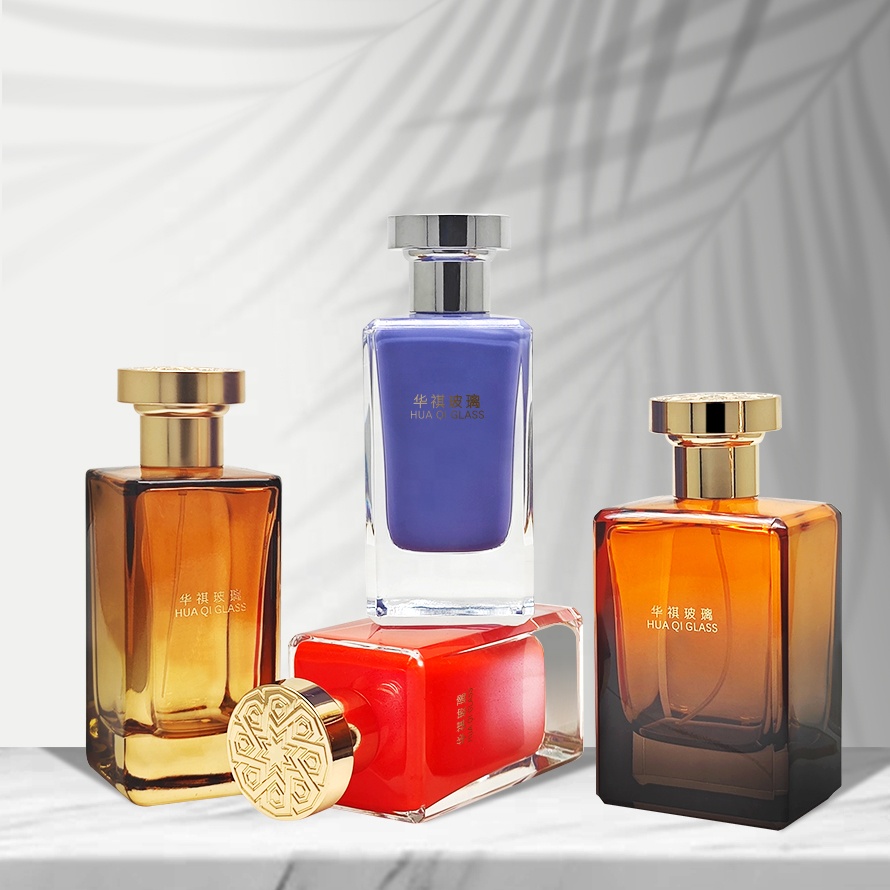
By 2026, perfume bottles have evolved beyond mere containers into something much more personal for brands. Designers are focusing on how people actually hold them in their hands, creating shapes that feel comfortable when grasped naturally. The weight matters too - many luxury brands now use glass bases weighing around 300 grams to signal quality and exclusivity. Brands are also getting creative with textures on the outside, things like frosted patterns or soft touch finishes that make the bottle easier to handle and reduce accidents. According to Packaging Digest from last year, these textured options cut drop incidents by about 27% compared to shiny surfaces. Color matching has become extremely important as well, with matte metals and ceramic inspired glazes helping maintain consistent appearance throughout mass production. One major company making custom perfume bottles uses special molds that can produce thousands of units without losing any of those signature details that first appeared in early prototypes.
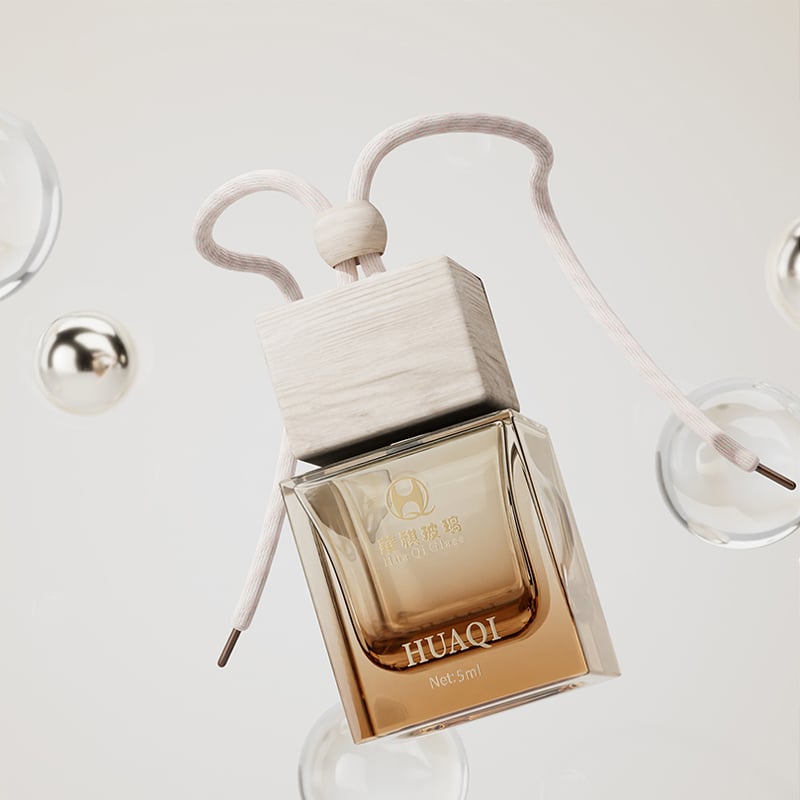
The refill-first concept has become a cornerstone of modern luxury packaging these days rather than something tacked on at the end. Medical grade silicone gaskets are making those pesky leaks a thing of the past, keeping fragrances intact for well over three years after opening. The caps themselves have transformed into something special too. Think about zinc alloy bases covered in eco friendly wood composite materials that feel great in hand and offer nice temperature differences when touched. Combining different materials actually tackles real world problems. Aluminum rings strengthen the delicate glass parts where refills go in, and those bio resin covers not only give better grip but also look warmer visually. All told, this comprehensive method cuts down on throw away packaging waste by around eighty percent compared to what we used to see (according to Ellen MacArthur Foundation research from 2025). It lines up perfectly with new EU regulations pushing for reuse and appeals strongly to customers who care deeply about their environmental impact.
Refillable systems are setting a whole new benchmark for what counts as luxury these days, requiring both precise engineering work and smart thinking about how people actually use them. The sealing tech in these containers stops stuff from evaporating or spilling out even after many times of refilling. Companies have started making parts that can be swapped around instead of throwing away whole bottles when something breaks or gets old. Think about those snap-on lids or different spray heads that just pop right in place. Some products now come with little chips or codes that link up with phone apps, tracking how often someone uses their bottle and gathering opinions about how easy it is to fill, hold, and open for the first time. Brands look at all this information to keep improving their designs and build better connections with customers over time. According to HHBottle research from 2026, these kinds of systems cut down on packaging trash by almost two thirds each year. That puts companies who adopt them way ahead of stricter environmental rules coming down the pipeline, not to mention what shoppers expect nowadays.
What are the benefits of using private molds for custom perfume bottles?
Private molds offer full control over designs, ensuring uniqueness and competitive distinction. However, they are more expensive and take longer to produce compared to shared molds.
What is modular tooling, and how does it benefit perfume bottle manufacturing?
Modular tooling allows interchangeable mold parts, making it easy to switch between different bottle shapes and sizes. This flexibility leads to faster development times and reduced material waste.
How does next-gen material innovation impact perfume bottle production?
Innovations like recycled glass and bio-PET reduce production emissions and environmental impact, while maintaining high-quality packaging standards.
What are the latest design trends in custom perfume bottle manufacturing?
Design trends include creating bottles that function as brand signatures, with a focus on shape, weight, texture, and finish to enhance brand identity.
How do refillable engineering systems improve sustainability?
With leak-proof seals and interchangeable modules, refillable systems reduce packaging waste significantly while enhancing user experience through smart feedback mechanisms.
 Hot News
Guangdong Huaqi Packaging provides premium cosmetic glass bottles, perfume bottles, and custom caps for global beauty brands. ISO9001/REACH certified, 8000+ molds, 95% repeat orders. Request OEM/ODM quote today.
Room 416, 4th Floor, Building A, Enterprise Service Center, No. 1 Guangzhou Road, Guangzhou (Qingyuan) Industrial Transfer Park, Shijiao Town, Qingcheng District, Qingyuan City
Copyright © Guangdong Huaqi Packaging Products Co., Ltd. --Privacy Policy

 EN
EN