 ×
×
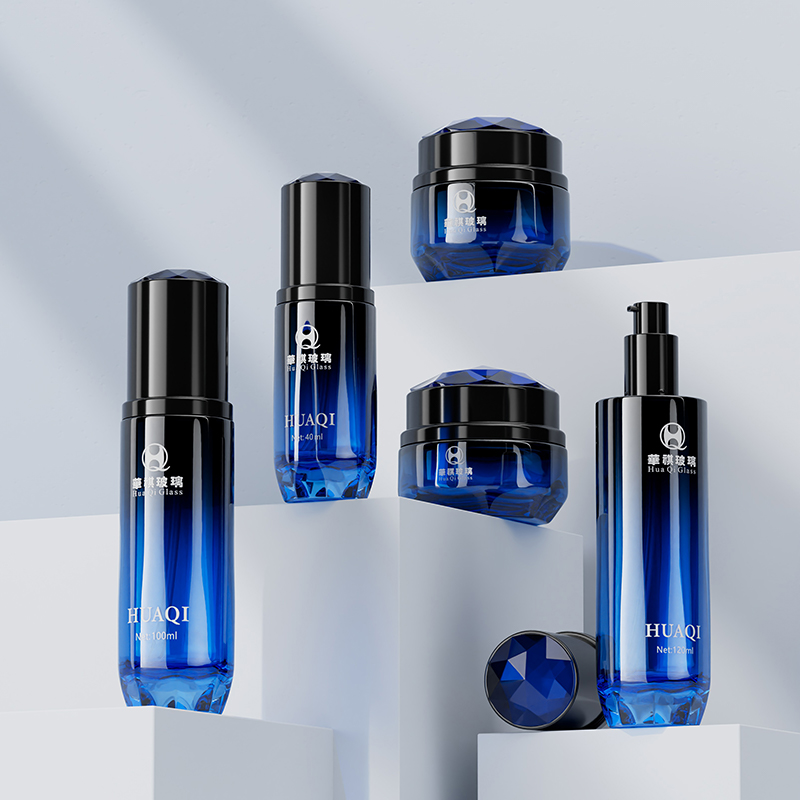
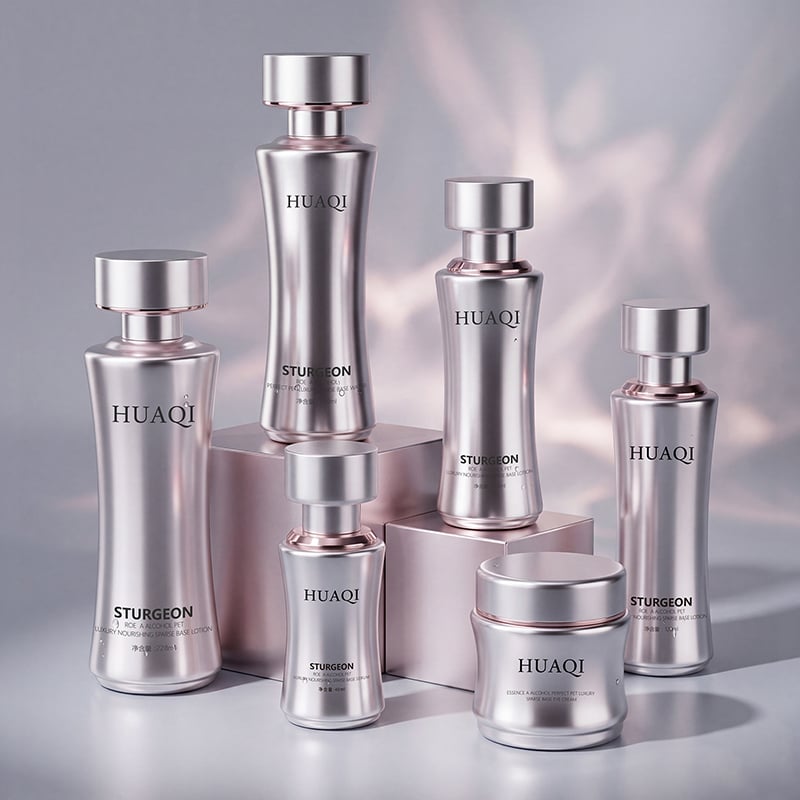
The weight of luxury glass cosmetic jars goes beyond just looking good on the shelf. People tend to link jars that feel solid in hand (around 300 grams or more) with better ingredients, careful making, and genuine quality stuff. Why? Well, our brains have this thing where heavier feels better somehow. A recent study published in Nature back in 2025 showed something interesting too: almost 7 out of 10 participants thought products worked better when they came in heavier containers. That weight basically signals trust without needing words. And let's not forget about how these jars actually feel in the hand. The best ones are designed so their weight sits right between thumb and index finger, giving that stable grip everyone wants. This matters a lot for products containing sensitive ingredients like vitamin C which need protection from air and light exposure. When a jar feels right in the hand, it builds that subconscious confidence that what's inside is being properly preserved.
Texture has evolved into a primary language of luxury—now rivaling visual design in shaping consumer perception. Leading fragrance and skincare brands report up to 42% higher engagement when replacing glossy finishes with intentional tactile alternatives:
| Texture Type | Sensory Association | Luxury Perception Lift |
|---|---|---|
| Sandblasted Matte | Understated opulence | +31% (Nature, 2025) |
| Precision Ribbing | Artisan craftsmanship | +27% |
| Full-Surface Frost | Ceremonial purity | +38% |
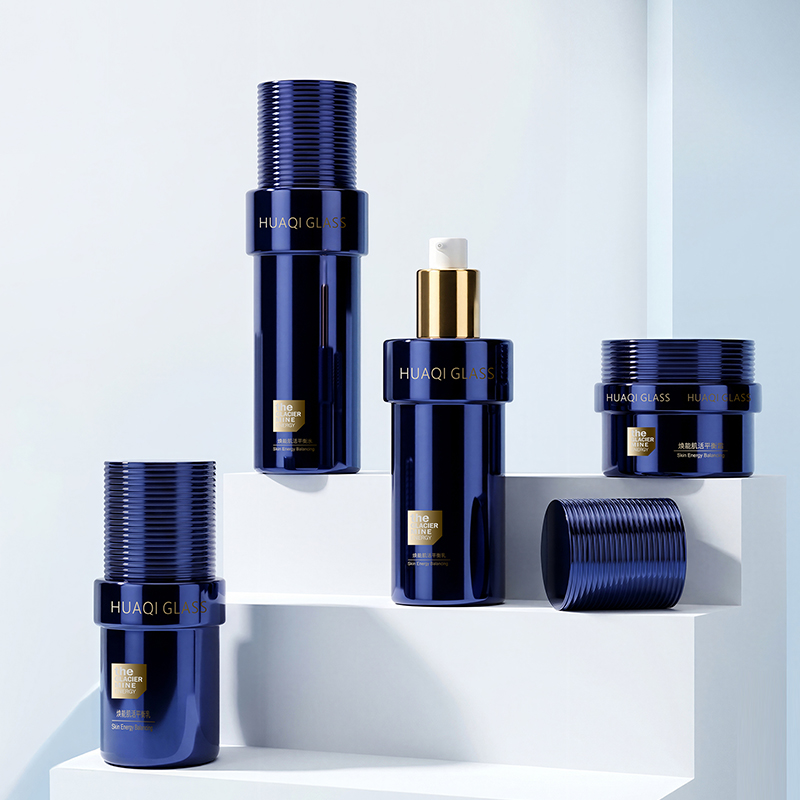
The surfaces we touch actually play both practical and emotional roles in our experience. Take frosty finishes, they really help when fingers get greasy during application. And those little ribs at the bottom? They keep products from sliding around on bathroom counters or dressers. But there's something deeper going on too. When the texture of a container matches what's inside, people just feel like it works better somehow. We've seen this effect clearly in testing. Rough textured jars holding actual scrubs beat their smooth counterparts by nearly 30% when it comes to how powerful the exfoliating feels. It shows that when our senses line up with what we expect, we trust the product more instinctively.
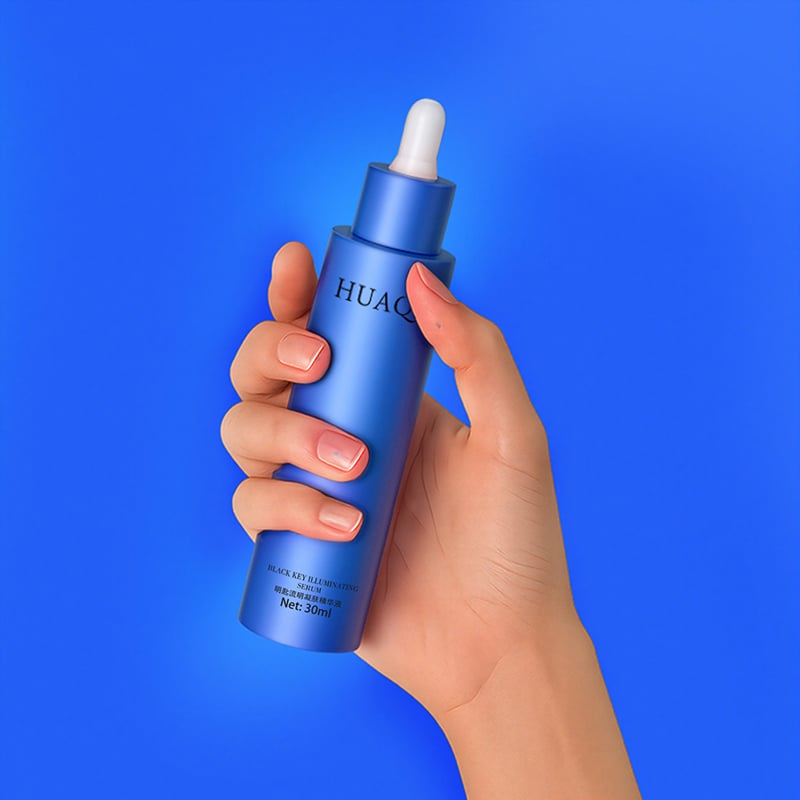
When it comes to high-end glass cosmetic jars, airless pump systems are pretty much the best bet out there for combining functionality with luxury. These pumps work wonders because they keep oxygen away from products, which actually makes them last about 30% longer for formulas that get ruined by contact with air. Research from Cosmetic Science Review in 2023 supports this claim too. What really sets these apart though is how they come with clever dual purpose lids. Think magnetic caps that also serve as applicators, or twist locks that have built-in mirrors right on them. Using these products becomes something special rather than just another chore in the morning routine. Another big plus? No dip tubes means no chance for bacteria to get inside, so those fancy serums stay fresh much longer. The feel of these pumps when pressed down is smooth and quiet, plus they never leak anywhere, which matters a lot to people who care deeply about their skincare routines and want nothing but the best quality products available.
Luxury glass jars need internal coatings to keep their high-performance formulas safe while still looking beautiful and clear. When manufacturers use magnetron sputtering, they apply super thin layers of titanium dioxide inside the glass. This blocks almost all UV light (about 99%) which really matters for products containing sensitive ingredients such as retinol or vitamin C that break down when exposed to sunlight. Another layer comes from food grade epoxy lacquers that create barriers between the glass and whatever's stored inside. These coatings stop reactions between ingredients and glass surfaces, helping maintain proper pH levels and preventing those annoying cloudy spots or etch marks that happen with acidic substances over time. What we get at the end is glass containers that stay crystal clear for years and deliver exactly what they promise on the label, meeting both technical requirements and customer expectations for quality packaging.
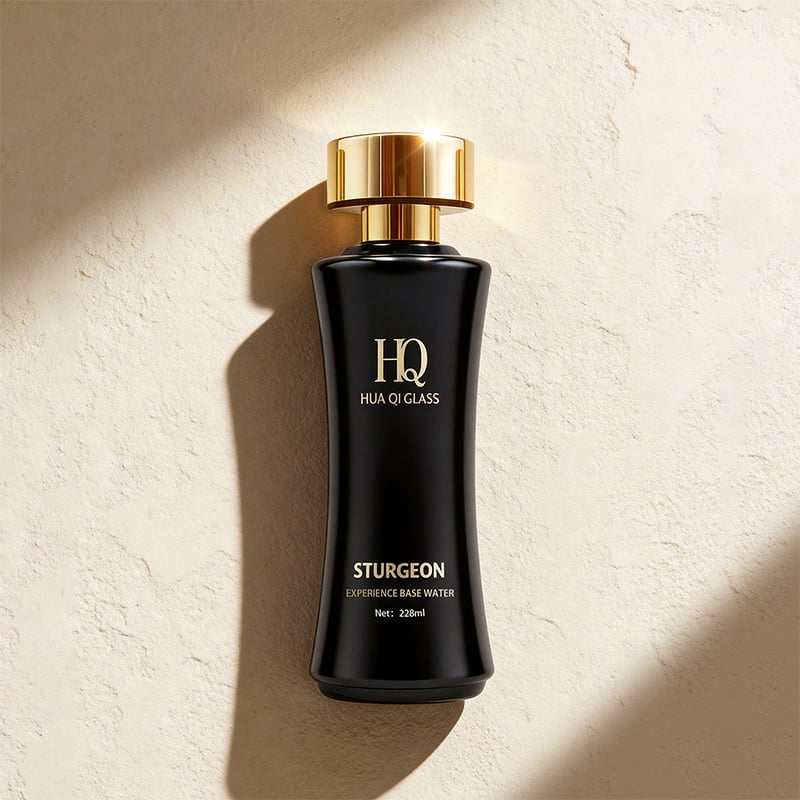
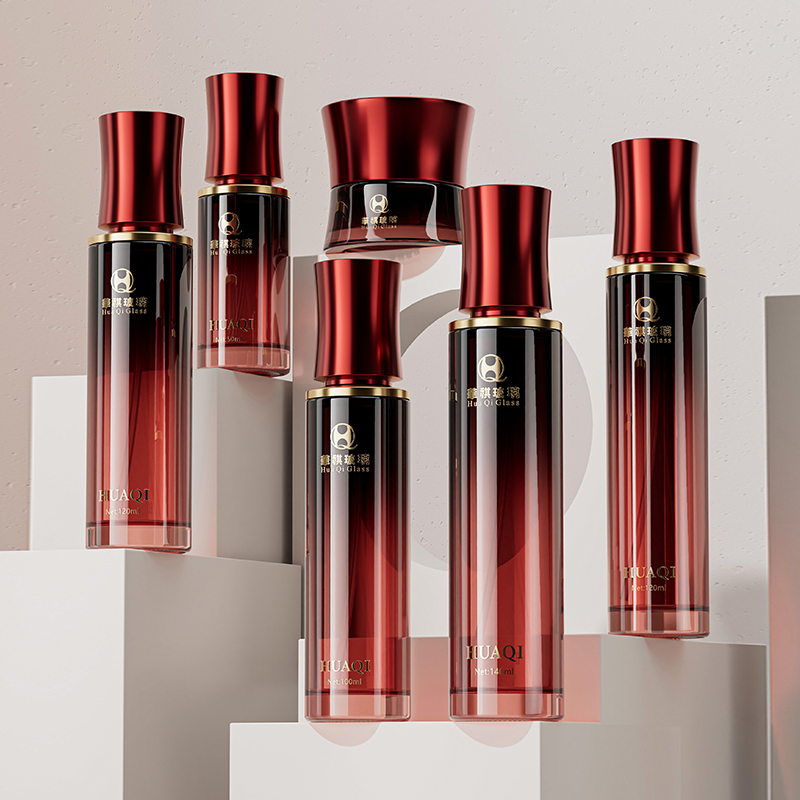
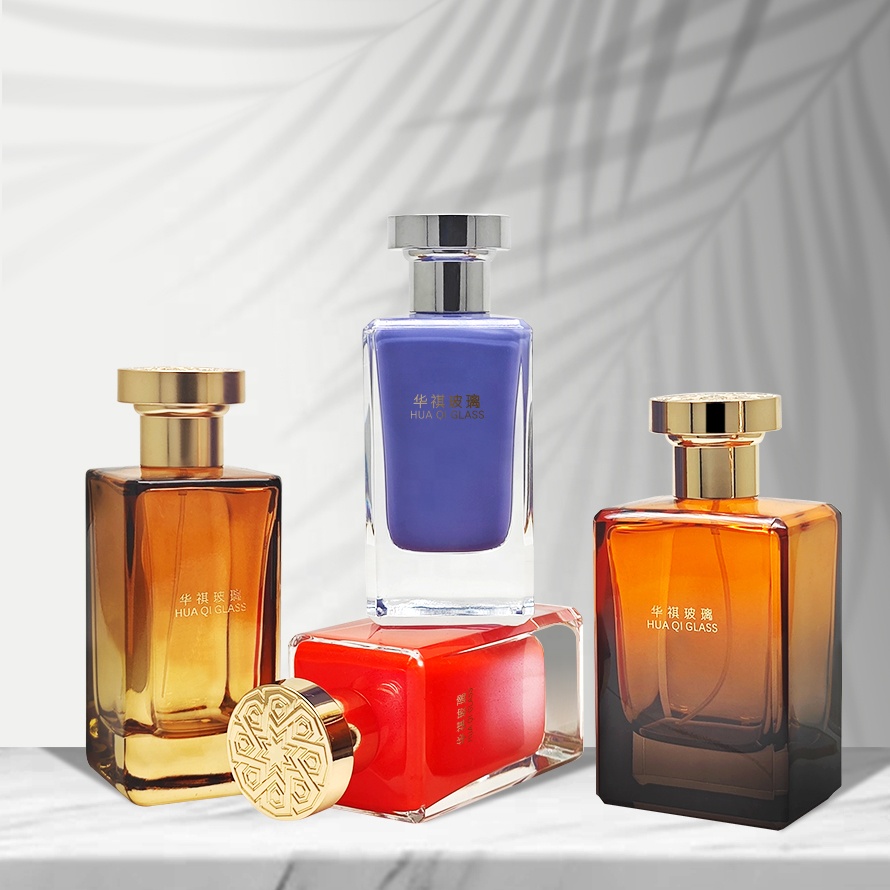
For 2025, luxury fashion is all about those quiet, earth inspired colors. Think opal's shimmering sheen, smoked grey with its industrial vibe, and warm amber tones that feel so naturally comforting. These shades actually help products stand out without overwhelming the eye. Opal glass lets in about 40 percent more light than regular clear glass, which means whatever sits inside gets softly lit without causing annoying reflections. The amber color has another trick too it blocks UV rays naturally, combining practicality with beautiful design elements. What makes these subtle color choices special isn't flashy logos or big brand names, but instead how they resonate with what goes into making each product. When shoppers browse through packed store displays, these understated hues clearly mark premium items from their mass market counterparts.
Today's high-end glass jars really focus on creating emotional connections through their shapes. When designers play with uneven forms, sharp angles, and indented surfaces, these simple containers become something special to touch and hold. About two thirds of people who buy luxury items actually mention the feel and shape of the container when deciding what to buy. The way space is left empty in these designs makes them look sleek and modern. Think about those jars with empty spots at the bottom or sides that make them appear lighter visually even though they're still sturdy enough to stand up straight. Some have sharp edges that stop them from slipping around, others have smooth curves that let everything pour out completely. Each bend and flat surface tells a story about the brand behind it. But this isn't done with flashy decorations. Instead, it's all about quiet, thoughtful making that speaks volumes without saying anything at all.
PCR glass isn't just an eco-friendly option anymore; it has become something of a status symbol in the world of luxury goods. Thanks to improvements in how we clean and melt recycled materials, many upscale cosmetic containers can actually contain around 30 percent PCR content without looking any different from regular glass when it comes to clarity, weight, or surface finish. The environmental benefits are pretty impressive too, cutting down on carbon emissions by as much as forty percent compared to using brand new glass. Smart companies know this and go out of their way to find really clean PCR sources so there aren't those annoying little flaws visible in the finished product. After all, nobody wants their sustainable packaging to look cheap on store shelves or feel inferior to what customers expect from premium brands.
The refill architecture concept is changing how we think about luxury packaging completely. Instead of just one purchase, it creates an ongoing relationship between product and consumer. These modular designs separate the sturdy outer shell from the replaceable inner parts, cutting down on wasted materials significantly. Many estimates put the reduction around 70%, though exact numbers vary depending on the application. People really appreciate being able to swap out cartridges in their high quality base units, which keeps them coming back again and again. For brands, this approach opens up opportunities to release new seasonal products or special editions while keeping the overall look consistent across collections. Sustainability becomes part of the story rather than just a feature, driving both innovation and lasting customer connections in the market.
What defines the tactile sophistication of luxury glass cosmetic jars?
The tactile sophistication is defined by weight, texture, and ergonomics. Heavy jars signal trust and perception of quality, while specific textures enhance the user experience and align with the offerings.
How does texture influence luxury perception in cosmetic packaging?
Texture plays a crucial role in luxury perception by enhancing tactile engagement, which can improve consumer interaction and product trust. Textured jars match the expectations set by their content, aiding in perceived effectiveness.
Why are airless pump systems used in luxury packaging?
Airless pump systems prevent oxygen exposure, prolonging product preservation, and provide ease of use, enhancing user experience and maintaining premium quality.
How is sustainability incorporated into luxury glass packaging?
Through the use of post-consumer recycled glass, eco-friendly innovations, and refill-first systems, brands focus on reducing environmental impact while maintaining luxury aesthetics and functionality.
 Hot News
Guangdong Huaqi Packaging provides premium cosmetic glass bottles, perfume bottles, and custom caps for global beauty brands. ISO9001/REACH certified, 8000+ molds, 95% repeat orders. Request OEM/ODM quote today.
Room 416, 4th Floor, Building A, Enterprise Service Center, No. 1 Guangzhou Road, Guangzhou (Qingyuan) Industrial Transfer Park, Shijiao Town, Qingcheng District, Qingyuan City
Copyright © Guangdong Huaqi Packaging Products Co., Ltd. --Privacy Policy

 EN
EN