 ×
×
New surface treatment methods have made cosmetic glass packaging much tougher without making it heavier. One technique called ion exchange works by soaking glass containers in hot potassium salt baths, creating a compressed outer layer that makes them way more resistant to impacts compared to regular glass. Another approach, Atomic Layer Deposition or ALD, coats surfaces with ultra thin layers of ceramic materials like aluminum or zirconium oxide. These coatings cut down on surface friction and help prevent scratches from everyday handling. When manufacturers combine these two technologies, they can actually reduce bottle and jar weights by around 15 to 20 percent while keeping everything structurally sound. Getting the temperature right during production is key to achieving those super thin coatings (less than 100 nanometers thick), which directly affects how well the product performs consistently across batches. What does all this mean? Packaging feels premium quality when handled, survives drops from about 1.5 meters high in testing, and cuts down material costs per unit somewhere between 2 to 5 cents. That adds up over time for companies looking to maintain quality standards without breaking the bank.
Material selection shapes cosmetic glass packaging performance across shelf life, manufacturing efficiency, and total cost of ownership:
| Property | Borosilicate Glass | Soda-Lime Glass | Performance Gap |
|---|---|---|---|
| Thermal Shock Resistance | Withstands Â−150°C | Fails at Â−70°C | +114% |
| Chemical Inertness | 0.02% weight loss (ISO 719) | 0.08% weight loss | +75% stability |
| Production Yield | 88"“92% | 94"“97% | −5% efficiency |
| Lifetime Cost (5-year) | $0.18/unit | $0.12/unit | +50% premium |
The barrier properties of borosilicate really help extend the shelf life of those sensitive pH formulations. We're talking around 9 to 12 extra months on average because it cuts down on alkaline leaching so much. Sure, the material does cost more initially since it has a higher melting point and produces less per batch. But according to some recent packaging studies from last year, products in borosilicate containers actually stay viable in the market about 31% longer than alternatives. Soda lime glass makes sense economically for many manufacturers and allows for quicker molding processes. The catch? Most applications need some sort of protective coating applied first to make sure everything stays compatible with whatever formulation goes inside.
Cosmetic brands are turning to refillable glass packaging as a way to keep materials in circulation while saving money in the long run. These systems cut down on throwaway waste, which means companies spend less overall on packaging costs over time. The math works out pretty well too - businesses see around a 31% reduction in their average packaging expenses when switching to refills. Glass recycling is another big plus since closed loop systems can recover more than 90% of used glass for melting down again, cutting the need for new raw materials by about 1.3 tons for every ton we recycle. Making packages lighter also helps reduce carbon footprints during shipping by anywhere from 18 to 22%, all while keeping products looking good on store shelves. Companies that have made the switch notice something interesting happening too: customers who care about the environment stick around longer. Some brands report retaining 40% more of these eco-minded shoppers, showing that going green isn't just good for the planet but actually boosts bottom lines as well.
Deciding whether to go with glass or aluminum isn't just about looking at what happens right when they're made. Sure, making glass releases around 20 to 30 percent more CO2 compared to aluminum at first glance. But here's the thing about glass it can be recycled over and over again without losing quality, so after just two or three recycling cycles, it basically becomes carbon neutral. Aluminum wins points for being lighter, which means transportation creates about 35% fewer emissions. The catch? Producing aluminum requires a lot of energy, roughly 17 kilowatt hours per kilogram during smelting. If areas manage to recycle glass at rates above 70%, then glass actually catches up on its carbon debt within four years. That beats aluminum's six year mark in proper recycling systems. Companies really need to think about their specific situation local recycling facilities, how heavy versus bulky products are, and how well materials get collected at the end of their life if they want to truly support circular economy principles.
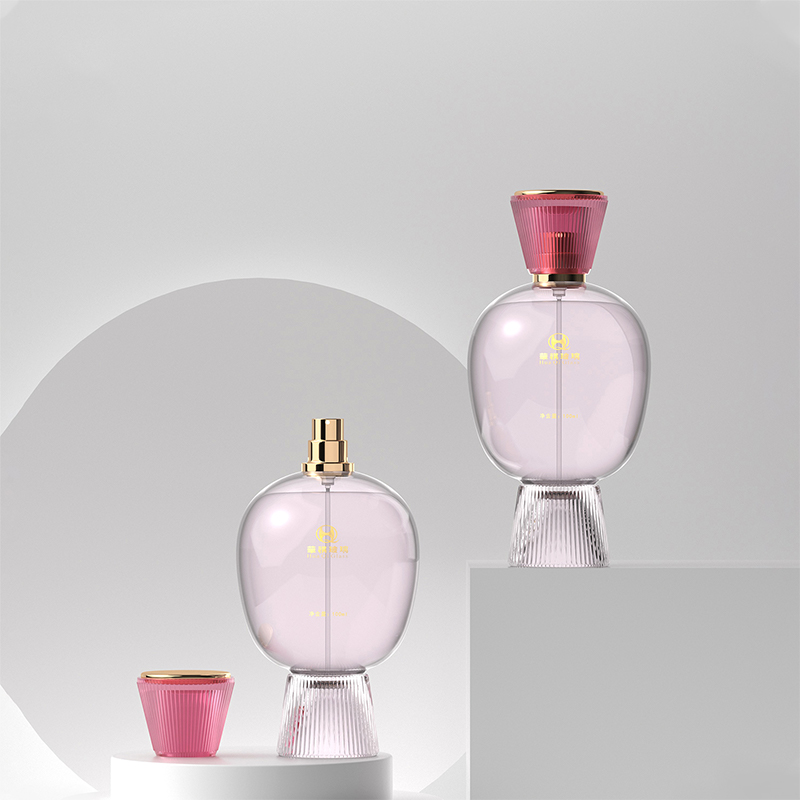
When glass is molded to fit exactly, there are no structural gaps left behind, which means products can ship directly without needing those cardboard inserts or foam padding that usually take up so much space. Companies report saving around 40% on extra packaging expenses while also packing more items per pallet during transport. The custom shapes themselves matter too. Think about those smooth ergonomic curves or precisely cut facets that feel so good in hand. These details create something special for customers that just screams luxury. Market research from 2025 showed that nearly eight out of ten people buying high end beauty products see uniquely shaped glass bottles as worth more money, allowing brands to charge anywhere from 15 to 20 percent extra. Glass naturally looks clear and feels substantial, so when manufacturers invest in custom molds, they aren't just cutting costs but actually turning their packaging into something that stands out on store shelves and builds brand recognition over time.
Getting the structural design right makes all the difference when it comes to preventing damage during transport for those fancy glass packages we see on store shelves. When manufacturers reinforce the base area, thicken where the shoulders meet the body, and adjust how walls angle inward, they actually spread out stress points so fragile spots don't develop where cracks might start during automated processes or when stacking on pallets. These small tweaks cut down on replacements because they build strength directly into the main container rather than just making things bigger. Companies that streamline their material movement throughout the whole process also help maintain quality. For instance, cutting back on how many times products get moved from factory to warehouse to distribution center keeps things intact longer. And what does this mean for businesses? Less wasted stock sitting around broken, less time spent fixing damaged goods in storage, and ultimately better looking products when they finally reach retail displays.
Ion exchange and Atomic Layer Deposition (ALD) coatings are techniques used to enhance the durability and impact resistance of cosmetic glass packaging. Ion exchange involves soaking glass containers in hot potassium salt baths to create a compressed outer layer, while ALD coats surfaces with ultra-thin layers of ceramic materials to reduce surface friction and prevent scratches.
Borosilicate glass has better thermal shock resistance and chemical inertness than soda-lime glass, extending shelf life and protecting sensitive formulations. However, soda-lime glass offers higher production yield and lower costs, making it economically favorable for faster processes.
Refillable glass packaging reduces waste and packaging costs while promoting sustainability. It also helps companies attract eco-conscious customers, leading to increased retention rates and better bottom lines.
Both have pros and cons. Glass can be recycled indefinitely without quality loss, becoming carbon neutral after a few recycling cycles. Aluminum is lighter and reduces transportation emissions but requires more energy during production. The best choice depends on local recycling facilities and product requirements.
Custom molded geometry eliminates the need for secondary packaging, reducing costs and allowing for more compact shipping. Unique glass shapes enhance customer perceptions of luxury, enabling brands to charge premium prices.
 Hot News
Guangdong Huaqi Packaging provides premium cosmetic glass bottles, perfume bottles, and custom caps for global beauty brands. ISO9001/REACH certified, 8000+ molds, 95% repeat orders. Request OEM/ODM quote today.
Room 416, 4th Floor, Building A, Enterprise Service Center, No. 1 Guangzhou Road, Guangzhou (Qingyuan) Industrial Transfer Park, Shijiao Town, Qingcheng District, Qingyuan City
Copyright © Guangdong Huaqi Packaging Products Co., Ltd. --Privacy Policy

 EN
EN