 ×
×
Choosing optimal materials for dropper bottle packaging prevents degradation of sensitive formulations like serums and essential oils. Key considerations include UV resistance, chemical inertness, and barrier properties against environmental factors.
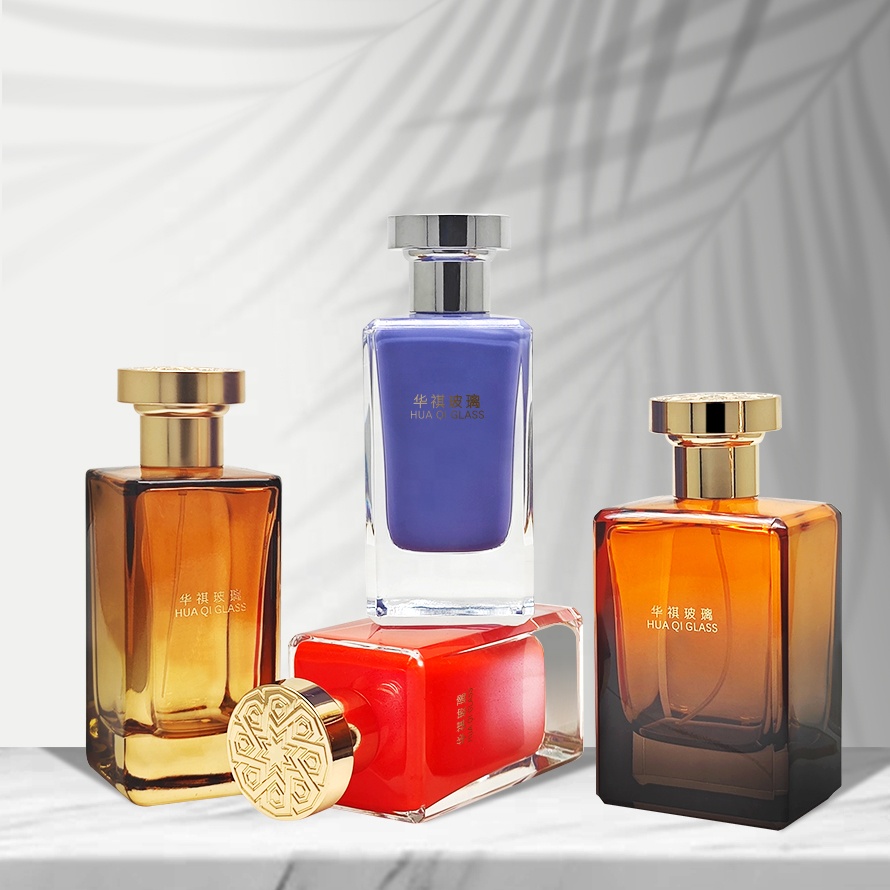
Amber and cobalt glass provide critical photoprotection for essential oils vulnerable to UV degradation. Amber glass blocks 99% of UVB/UVA rays (300–500 nm), preventing oxidation of terpenes and esters that maintain therapeutic efficacy. Cobalt glass delivers comparable UV protection while offering enhanced aesthetic appeal for premium brands. Both are chemically inert—eliminating leaching risks—and are mandated by industry standards for light-sensitive oils. Research shows unprotected oils lose 40% potency within eight weeks of light exposure (Essential Oil Stability Report, 2023). The narrow dropper tip design further limits incidental light penetration during dispensing.
Clear glass supports consumer confidence through product visibility and offers superior chemical resistance—especially against acidic or alcohol-based serums. Its limited UV protection, however, necessitates opaque secondary packaging. PET plastic provides a shatterproof, lightweight alternative at 30–50% lower cost. Though some UV-inhibited PET grades exist, they transmit ~15% more light than amber glass and show reduced compatibility with citrus-based essential oils, risking polymer degradation over six months. Material selection should prioritize:
Lifecycle analyses indicate glass achieves higher reuse rates, while advanced PET grades support circular recycling systems—making both viable across different market segments.
Dropper tip shape directly affects delivery accuracy and user experience. Blunt tips produce a controlled, vertical flow ideal for uniform coverage on larger areas like cheeks or forehead. Their wider orifice resists clogging with thicker serums and delivers 0.25 mL ± 0.02 mL per squeeze. Curved tips feature angled orifices (15–45°) that direct flow precisely—ideal for delicate zones such as the eye contour—while eliminating fingertip contact that can degrade oxygen-sensitive actives like retinoids (which face up to 25% degradation risk from skin transfer). Viscosity testing confirms blunt tips accommodate formulations up to 4,500 cP; curved tips perform best below 3,000 cP to sustain laminar flow.
| Formula Type | Drops/mL | Pipette Calibration | Viscosity Range |
|---|---|---|---|
| Serums | 20–22 | 0.5 mL markers | 800–1,200 cP |
| Essential Oils | 15–18 | 0.3 mL markers | 50–200 cP |
Calibrated borosilicate glass pipettes ensure dosage integrity via laser-etched volume markers and bore diameters held to ±0.01 mm tolerances. This precision modulates capillary-driven flow to deliver consistent drop counts—critical because 68% of serum efficacy loss stems from overdosing (Journal of Cosmetic Science, 2023). For serums, 20–22 drops/mL maintains active ingredient dosing within ±0.05 mL tolerance; essential oils require tighter control (15–18 drops/mL) to avoid irritation from concentrated compounds. All pipettes are validated per ISO 7886-1: variance exceeding 5% triggers automatic rejection.
Effective sealing preserves formulation integrity by preventing oxidation, evaporation, and leakage during transport and storage.
The choice between Euro droppers and orifice reducers depends on rigorous compatibility testing across three key parameters:
| Testing Parameter | Euro Droppers | Orifice Reducers |
|---|---|---|
| Thermal Resistance | Withstand –20°C to 80°C fluctuations | Maintain integrity at 15°C–60°C |
| Pressure Tolerance | Vulnerable to altitude changes | Resists cabin pressure shifts |
| Viscosity Handling | Optimal for thin serums (<1,500 cP) | Accommodates thick oils (up to 5,000 cP) |
Euro droppers rely on ground-glass joints for precise, thermally stable seals—ideal for low-viscosity serums where drop consistency is paramount. Orifice reducers use polymer compression seals, offering superior pressure resilience during air freight and greater flexibility with viscous oils. Both undergo accelerated aging simulations replicating 24-month shelf life conditions, with validation based on vapor transmission rates and seal deformation thresholds. Manufacturers must match system performance to their formulation’s physical properties and distribution profile.
Capacity selection—typically 15 mL to 30 mL—balances portability with stability: smaller volumes limit oxidation exposure for highly reactive formulas like vitamin C serums, while larger sizes suit daily-use essentials. Sustainability now defines premium packaging, with 74% of consumers prioritizing eco-friendly materials in beauty purchases. Leading solutions include recycled glass bodies (PCR glass), plant-based rubber bulbs, and modular refill systems—all engineered without compromising barrier performance or dispensing precision.
Ergonomic enhancements improve usability: textured grips prevent slippage, squeeze-controlled bulbs enable one-handed operation, and calibrated tips ensure repeatable dosing. Customization options—including embossed logos and matte finishes—support brand distinction while preserving sterile containment. These integrated features extend shelf life, reduce contamination risk, and align with zero-waste expectations.
Common Dropper Bottle Sustainability Features| Feature | Environmental Benefit | User Advantage |
|---|---|---|
| PCR glass | 40% lower carbon footprint | Preserves formulation integrity |
| Bamboo caps | Biodegradable in 6 months | Natural aesthetic appeal |
| Refill stations | Eliminates 70% of packaging waste | Cost-effective replenishment |
Amber and cobalt glass provide UV protection, preventing degradation of light-sensitive formulations like essential oils. Both are chemically inert and are required for maintaining product efficacy.
Glass offers superior clarity and chemical resistance, whereas PET plastic is lightweight, shatterproof, and more cost-effective, though it provides less UV protection.
Blunt tips are ideal for uniform coverage on larger areas and work with thicker serums. Curved tips offer precision for delicate areas and require lower viscosity formulations.
Calibration ensures consistent drop counts and dosing accuracy, which are crucial for maintaining product efficacy and avoiding overuse or underuse.
Euro droppers are better for thin serums and thermal stability, while orifice reducers handle thicker oils and resist pressure changes during transport.
 Hot News
Guangdong Huaqi Packaging provides premium cosmetic glass bottles, perfume bottles, and custom caps for global beauty brands. ISO9001/REACH certified, 8000+ molds, 95% repeat orders. Request OEM/ODM quote today.
Room 416, 4th Floor, Building A, Enterprise Service Center, No. 1 Guangzhou Road, Guangzhou (Qingyuan) Industrial Transfer Park, Shijiao Town, Qingcheng District, Qingyuan City
Copyright © Guangdong Huaqi Packaging Products Co., Ltd. --Privacy Policy

 EN
EN