 ×
×
Premium skincare begins with tactile experience—73% of consumers form brand judgments before opening a product. Custom dropper bottles serve as silent ambassadors, conveying quality through weight distribution and glass clarity. Frosted finishes prevent fingerprint smudges while preserving ingredient integrity, directly addressing contamination concerns reported by 68% of luxury buyers. The precision click mechanism in premium dispensers reduces spillage by 40% compared to standard caps, transforming routine application into a ritual of reliability. This tactile trust-building explains why 89% of consumers repurchase based solely on packaging experience.
Neuromarketing studies reveal matte textures trigger associations with clinical efficacy, while amber glass implies pharmaceutical-grade protection—a perception that justifies 22% price premiums. The calibrated resistance in dropper tips creates subconscious quality validation; users interpret controlled flow rates as scientific formulation accuracy. Weighted bases reinforce luxury through heft psychology, with 300g+ bottles increasing perceived value by 31%. These sensory signals override ingredient lists in consumer decision-making, as 64% equate premium packaging with product effectiveness in blind testing.
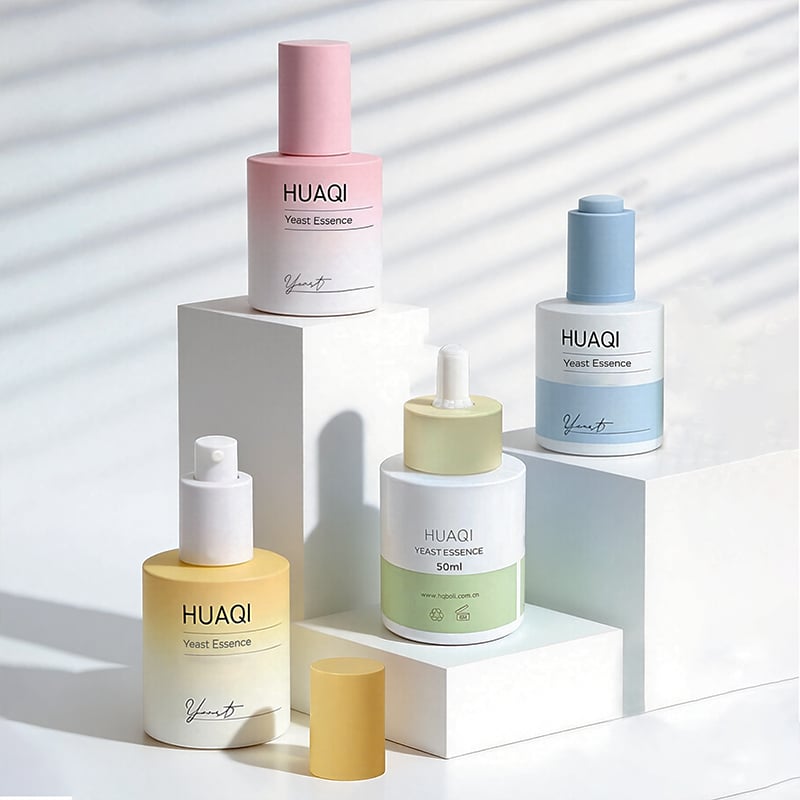
Premium skincare brands adopt minimalist dropper bottle designs to convey sophistication through clean lines and uncluttered forms. Simple silhouettes reduce visual noise while coordinated finishes—like satin caps paired with frosted glass—create cohesive brand storytelling. This intentional restraint signals premium quality: 71% of consumers perceive minimalist packaging as higher-end (Packaging Digest 2023). Matte textures and brushed metal accents further reinforce brand pillars like sustainability or clinical efficacy, transforming packaging into a silent ambassador for core values.
Strategic color selection in dropper bottles serves dual purposes—brand recognition and photo-protection. Muted earth tones suggest natural formulations, while amber glass blocks 99% of UV rays to prevent active degradation. Texture variations like ribbed grips provide tactile luxury while enhancing usability. Crucially, UV-protective glass preserves ingredient stability: serums in clear bottles lose 40% potency after 8 weeks of light exposure (Cosmetic Science Review 2023). This symbiosis of aesthetics and science ensures products perform as beautifully as they appear.
Innovative dropper mechanisms enhance dosage accuracy, reducing product waste by up to 30% compared to traditional packaging. Advanced designs feature self-sealing tips and calibrated flow control, enabling users to dispense exact serum quantities—critical for potent formulations like retinoids or vitamin C. This precision transforms application into a ritual, aligning with premium skincare’s focus on intentional self-care. Consistent dosing extends product lifespan by 3–4 weeks on average, maximizing customer value.
Ergonomic contours and textured grips address usability challenges in high-end skincare, particularly for users with arthritis or limited dexterity. Brands increasingly adopt UV-filtered glass (80% adoption among luxury serums in 2023) to protect photosensitive ingredients. While PCR plastic reduces carbon footprint by 45% versus virgin materials, it requires thicker walls to maintain dropper integrity—demonstrating how performance demands influence sustainability choices. Tactile design elements like brushed-metal caps also reinforce premium perception, contributing to 22% higher retention rates.
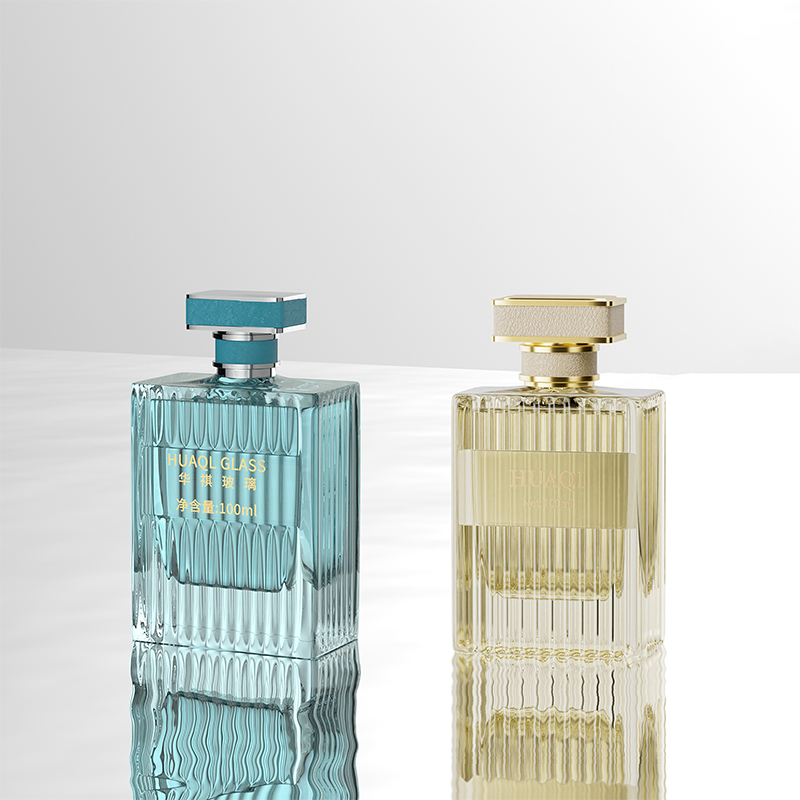
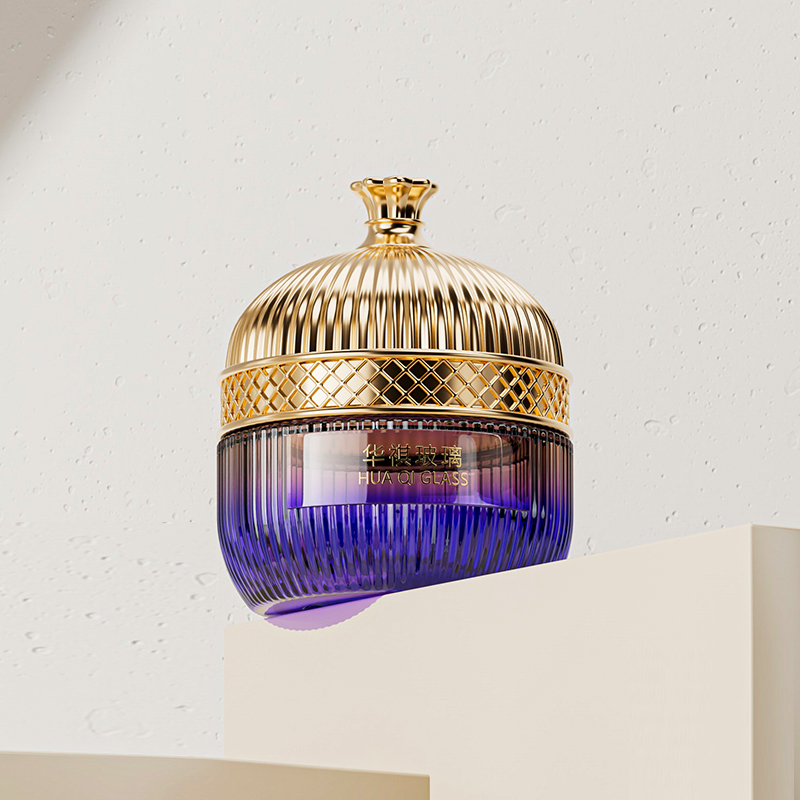
Material science forms the foundation of effective dropper bottle design for high-value formulations. UV-protective glass—typically amber or cobalt—shields light-sensitive ingredients like vitamin C from degradation, extending serum potency by up to 12 months compared to clear containers. Frosted finishes offer slip-resistant handling while conveying luxury, and weighted glass provides reassuring heft that signals quality. Precision dropper tips ensure controlled dosing without clogging, preventing oxidation of delicate oils. These material choices directly influence consumer perception, with 73% of premium skincare users associating textured glass packaging with greater efficacy in independent studies. The interplay between science and sensation transforms routine application into a brand-defining experience where functionality meets tactile sophistication.
Packaging is the first touchpoint for consumers and can influence brand perception and trust before they even try the product.
Matte finishes suggest clinical efficacy, while frosted glass prevents fingerprint marks and preserves ingredient integrity.
Innovative dropper mechanisms enhance dosage accuracy, allowing users to dispense exact serum quantities and reducing waste.
UV-protective glass blocks harmful rays, preserving the stability and potency of light-sensitive ingredients in skincare products.
 Hot News
Guangdong Huaqi Packaging provides premium cosmetic glass bottles, perfume bottles, and custom caps for global beauty brands. ISO9001/REACH certified, 8000+ molds, 95% repeat orders. Request OEM/ODM quote today.
Room 416, 4th Floor, Building A, Enterprise Service Center, No. 1 Guangzhou Road, Guangzhou (Qingyuan) Industrial Transfer Park, Shijiao Town, Qingcheng District, Qingyuan City
Copyright © Guangdong Huaqi Packaging Products Co., Ltd. --Privacy Policy

 EN
EN