 ×
×
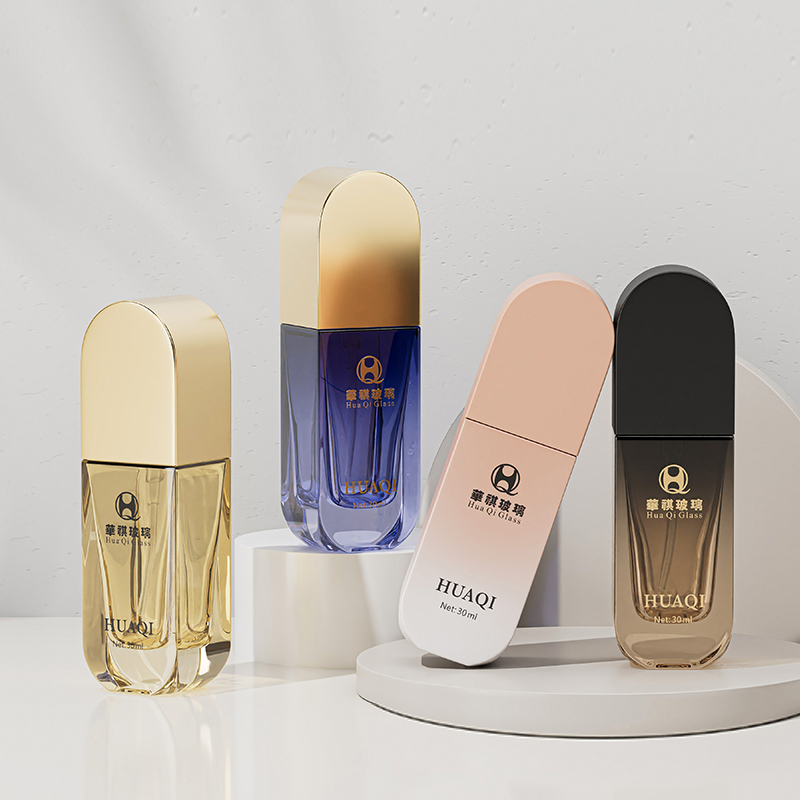
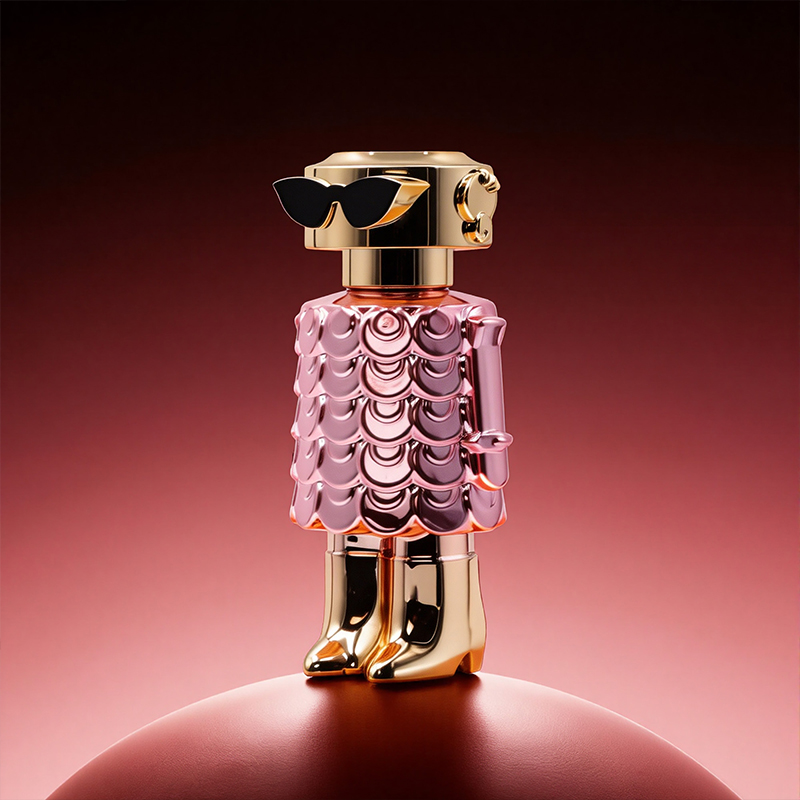
Modern luxury cosmetic packaging leverages bottle geometry to articulate brand philosophy with intentionality. Geometric designs—defined by sharp angles, faceted planes, and architectural symmetry—communicate precision, innovation, and controlled minimalism. They resonate strongly with avant-garde or tech-infused brands seeking a futuristic aesthetic. In contrast, organic silhouettes—featuring flowing curves, teardrop profiles, or asymmetrical contours—evoke natural elegance, sensuality, and timelessness, aligning seamlessly with heritage-led or botanical-focused narratives. Industry research shows 68% of prestige fragrance buyers associate sculptural form language with exclusivity—a key driver of shelf differentiation in saturated retail environments.
| Design Philosophy | Visual Language | Consumer Perception |
|---|---|---|
| Geometric Precision | Clean lines, sharp edges | Modernity, technical excellence |
| Organic Fluidity | Soft curves, irregular forms | Natural elegance, emotional warmth |
The choice is strategic, not stylistic: angular forms reinforce forward-looking identities, while fluid shapes deepen emotional resonance with legacy and authenticity.
True luxury packaging transcends appearance—it engages the hand and mind through engineered ergonomics. Three tactile levers elevate perceived value:
Historically, weight signaled luxury (300–400g bottles), but advanced lightweighting now enables premium perception below 250g. This evolution confirms that tactile confidence—not sheer mass—is the authentic marker of luxury, turning packaging into an experiential extension of brand promise.
Sustainability and sensory luxury converge through precision glass lightweighting. By optimizing wall thickness, reinforcing base geometry, and applying proprietary annealing techniques, brands achieve sub-300g bottles without compromising optical clarity, structural resilience, or tactile heft. Material reduction reaches 15–20%, yet perceived quality remains intact—thanks to weighted caps, balanced center-of-gravity design, and surface treatments that preserve depth and reflectivity. This approach demonstrates that environmental responsibility and premium perception are not trade-offs, but co-requisites in modern luxury strategy.
While PCR glass offers compelling sustainability credentials, its adoption in high-end cosmetics faces material and perceptual hurdles. Color consistency, trace contaminants, and limited supply of food-grade recycled content challenge the pristine aesthetics expected at this tier. Regulatory momentum—particularly the EU’s Circular Economy Action Plan mandating 30% recycled content in packaging by 2030—is accelerating uptake, especially in Northern Europe where advanced sorting infrastructure supports 40% PCR usage in premium skincare. Though production costs remain 20–30% higher and purity concerns persist, next-generation decontamination technologies are rapidly closing the gap—making PCR-compatible luxury packaging increasingly viable without aesthetic compromise.
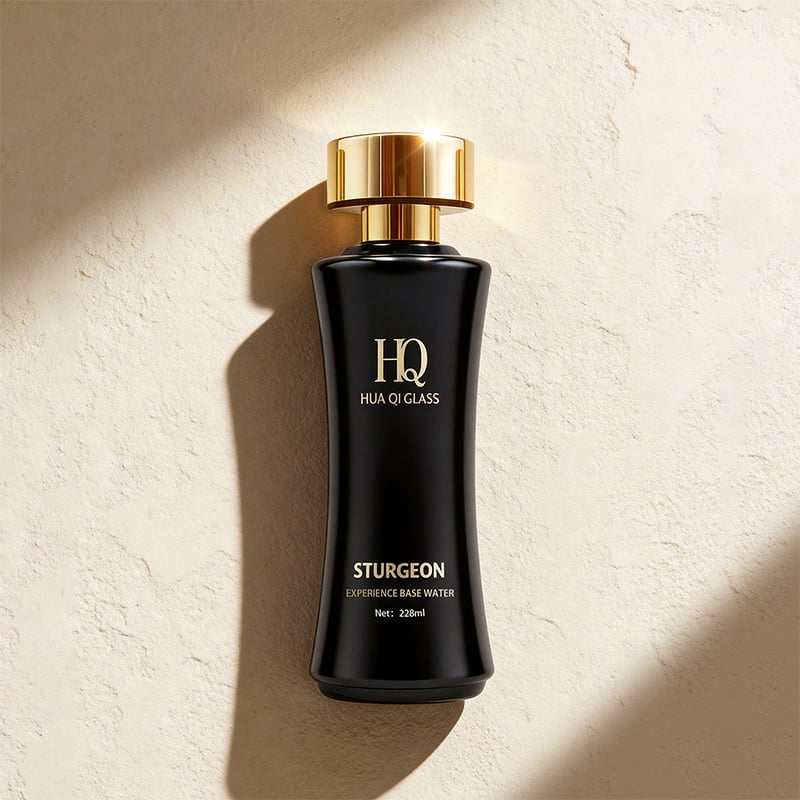
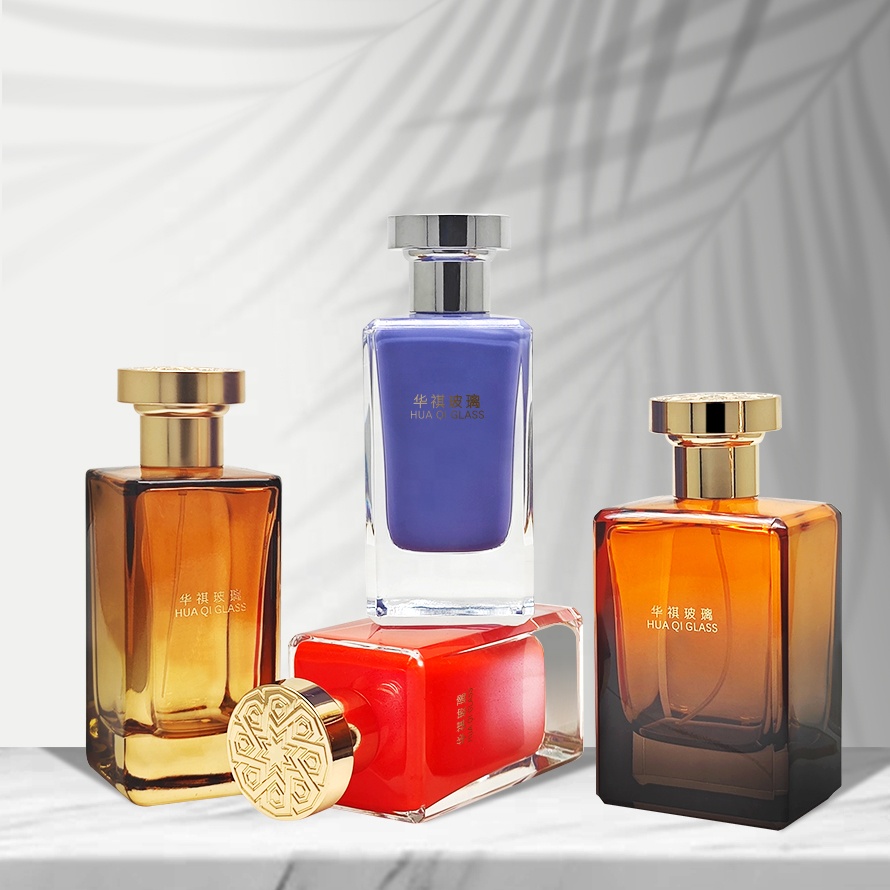
Metallization via vacuum-deposited aluminum or chromium delivers the mirror-like reflectivity essential for luxury recognition—far exceeding traditional plating in uniformity and durability. Complementing this, internal ceramic lacquering replaces surface coatings: applied inside the bottle, it prevents pigment fading from UV exposure while amplifying light refraction by 40%. The result is layered spatial contrast—high-gloss exteriors paired with ink-trapped interiors—that creates illusionary depth and dimensional richness. Precision spraying further enables hybrid finishes, such as silica-based lusters transitioning seapackaging of cosmeticsmlessly into deep mattes—a technique proven to lift shelf visibility by 28% in competitive beauty retail settings. Critically, these finishes retain micro-smooth tactility, resisting fingerprints and abrasion without sacrificing opulence.
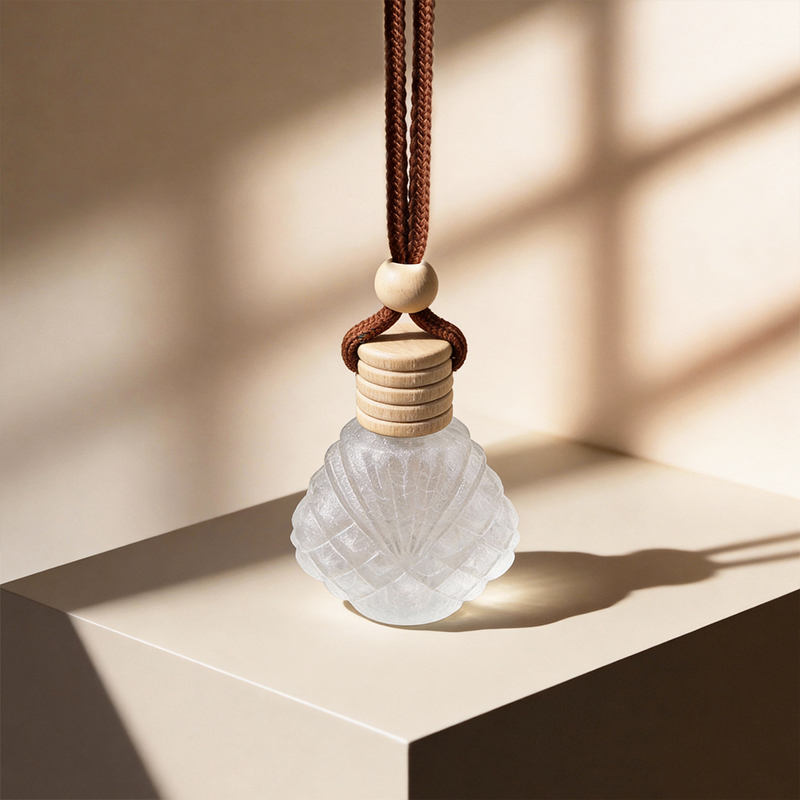
Frosted glass has evolved beyond uniform opacity into a tool of intentional light modulation. Advanced spray-on silica formulations—replacing hazardous acid etching—enable digital-grade control over matte zones, supporting laser-guided gradient transitions that channel luminosity toward brand elements while softening surrounding surfaces. This precision enhances both visual hierarchy and functional performance: silicate-modified coatings preserve the signature silken micro-texture associated with prestige while improving grip strength by 15%. When executed on PCR-compatible substrates, the technique satisfies dual imperatives—sensory sophistication and verifiable sustainability—a decisive advantage given that 65% of luxury consumers now expect eco-conscious tactile excellence.
Luxury cosmetic packaging operates at the intersection of cognition and sensation. Color palettes function as subconscious shorthand: black and gold signal timeless authority; deep reds evoke intensity and allure; muted pastels suggest purity and calm. Equally powerful are tactile cues—frosted textures convey restrained refinement, weighted balance implies craftsmanship, and soft-touch coatings foster intimacy. These elements don’t merely decorate; they choreograph interaction, transforming functional vessels into emotionally resonant artifacts. For premium brands, every hue, finish, and contour is calibrated to reinforce identity—not just on the shelf, but in the hand and mind of the consumer.
Geometric precision in cosmetic packaging design communicates brand attributes such as modernity, innovation, and technical excellence. It is particularly appealing to avant-garde and tech-focused brands seeking a futuristic image.
Ergonomic design in luxury packaging enhances tactile confidence and user interaction. Elements like weight distribution, surface contact, and operational feedback create a premium experience that reinforces the brand's promise.
The main challenges for using PCR glass in luxury cosmetics include maintaining color consistency and material purity. However, advancements in decontamination technology and regulatory support are making PCR glass adoption increasingly viable.
Decoration techniques such as metallization and internal lacquering enhance the visual appeal and durability of packaging, making it stand out on retail shelves. They contribute to the perception of luxury by adding depth, reflectivity, and a tactile richness.
 Hot News
Guangdong Huaqi Packaging provides premium cosmetic glass bottles, perfume bottles, and custom caps for global beauty brands. ISO9001/REACH certified, 8000+ molds, 95% repeat orders. Request OEM/ODM quote today.
Room 416, 4th Floor, Building A, Enterprise Service Center, No. 1 Guangzhou Road, Guangzhou (Qingyuan) Industrial Transfer Park, Shijiao Town, Qingcheng District, Qingyuan City
Copyright © Guangdong Huaqi Packaging Products Co., Ltd. --Privacy Policy

 EN
EN