 ×
×
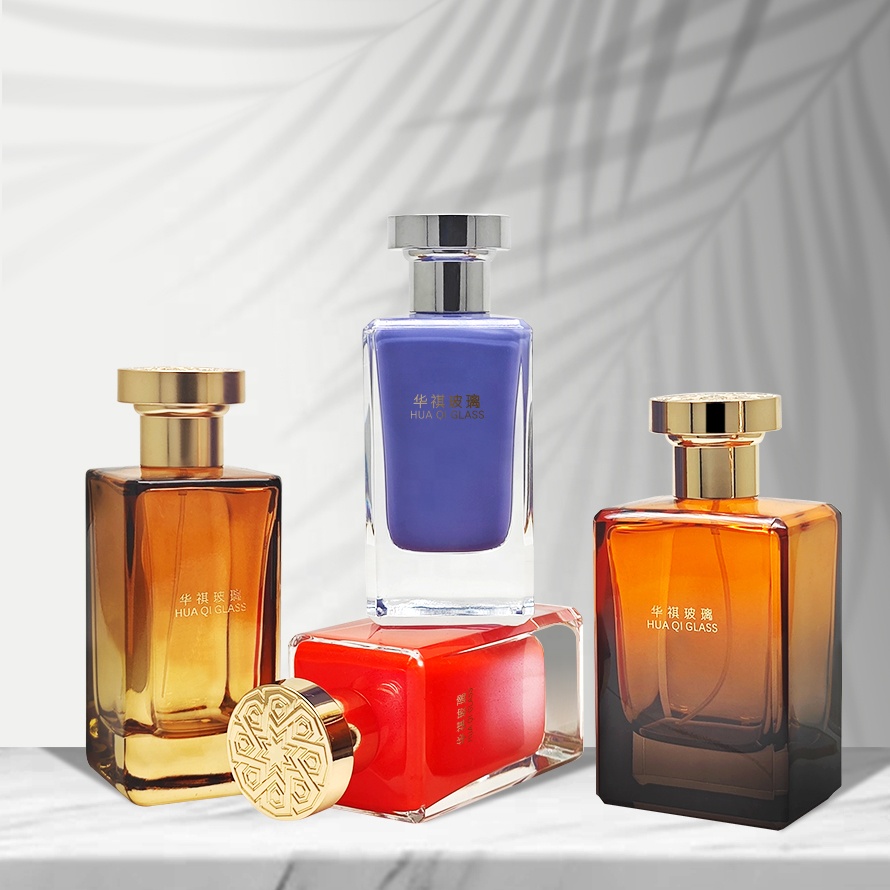
Custom square cologne bottles use angular engineering to visually mirror fragrance sophistication. Razor-sharp edges and flat planes require precision molds and controlled annealing—techniques rooted in high-end horology and crystalware manufacturing. This visible rigor subliminally primes consumers to expect equally intricate scent compositions. Achieving exact 90-degree corners demands tighter tolerances than curved vessels, raising defect rates by 18% versus standard round bottles—a constraint that reinforces perceived exclusivity. Consumer research shows 72% associate squared designs with artisanal blending and multi-layered olfactory structures, while the bottle’s tactile rigidity subtly reinforces expectations of scent stability and longevity.
Square packaging resonates psychologically across three dimensions:
Unlike circular bottles—which often imply heritage—square forms balance timelessness with innovation. Market testing shows Gen Z consumers recall angular designs 40% more readily than organic shapes, making them especially effective for contemporary premium brands seeking distinctive sensory positioning.
Glass remains the material of choice for premium fragrance packaging, representing over 90% of high-end perfume bottles. Its inherent weight conveys substance, while light refraction through square facets accentuates fragrance hue—reinforcing quality perception at a subconscious level. Critically, its infinite recyclability meets rising consumer demand: 73% of luxury buyers prioritize sustainable packaging, per the 2024 Beauty Sustainability Report. Thick-walled square glass maintains structural integrity throughout recycling streams, complying with frameworks like the EU’s Single-Use Plastics Directive. Frosted or textured finishes elevate sustainability into tactile luxury—proving environmental responsibility enhances, rather than compromises, elegance.
For direct-to-consumer brands, acrylic offers compelling advantages: it weighs 50% less than glass while delivering comparable optical clarity and impact resistance. Hybrid constructions—such as glass bodies paired with acrylic caps—reduce material costs by up to 30% without sacrificing premium aesthetics. Injection-molded components enable fine geometric detailing unattainable via traditional glass blowing, accelerating prototyping for seasonal launches. Acrylic’s durability cuts transit damage by an industry-reported 18%, addressing a key pain point—65% of online fragrance returns stem from packaging failure. Strategic material blending thus supports scalable growth without diluting visual authority.
Younger fragrance buyers read clean, uncluttered square bottles as markers of intentional brand ethos. Minimalist geometry signals design intelligence—81% of Gen Z and millennial consumers prioritize sustainable aesthetics in fragrance purchases (Journal of Consumer Behavior, 2023). The architectural precision of custom square bottles inherently communicates authenticity, resonating with values-driven audiences who reject ornamental excess in favor of purposeful form.
While angular forms may initially read as austere to traditional luxury shoppers, nuanced material execution transforms perception. Frosted glass reduces visual sharpness by 40% compared to clear finishes (Packaging Digest, 2023), while carefully calibrated tactile elements add warmth: textured caps with grip-friendly ridges, brushed metallic collars in copper or rose gold tones, and weighted bases all enhance perceived craftsmanship. These refinements preserve geometric sophistication while introducing dimensional approachability—bridging legacy expectations with contemporary sensibility.
Navigating from prototype to mass production demands methodical validation at every stage. Initial prototypes must be tested for functional performance—including spray mechanism compatibility—material integrity, and structural stability, particularly at stress-prone corners unique to square geometry. Thermal shock resistance testing ensures bottles withstand hot-fill processes while maintaining leak-proof seals at joints. Material validation confirms recyclable glass retains optical clarity and dimensional fidelity under high-pressure molding, with defect tolerance held to ≤1% in commercial-scale runs.
Tooling and mold development typically require 4–6 weeks due to geometric complexity; steel molds are recommended for runs exceeding 100,000 units, offering superior longevity over aluminum alternatives. Quality control mandates automated inspection for wall thickness consistency (±0.3mm) and angular alignment accuracy—critical to prevent light refraction flaws that undermine visual premiumness. Scalability planning must account for annealing oven capacity and cold-end coating application speeds, which can constrain output above 20,000 units/day without parallelized lines. Pilot batches of 500–1,000 units provide final validation of fragrance compatibility before full-scale commissioning.
Q: Why are square cologne bottles considered more premium?
A: Square cologne bottles require greater precision in molding and manufacturing processes compared to rounded bottles, which enhances their perceived exclusivity. Consumers associate their geometric precision with craftsmanship and complex fragrance compositions.
Q: Are glass bottles better for sustainability compared to other materials?
A: Yes, glass is infinitely recyclable and is the most sustainable option for premium fragrance packaging. It aligns with eco-conscious values and maintains the elegance expected for high-end products.
Q: How do square cologne bottles appeal to Gen Z and millennials?
A: Younger consumers prefer minimalist and uncluttered designs. Square bottles represent authenticity, sustainable aesthetics, and modern design intelligence, resonating well with their values.
Q: How can luxury brands ensure square bottles feel less cold to older affluent buyers?
A: Features like frosted glass, textured caps, metallic collars, and warm finishes can reduce visual sharpness and add warmth, blending modernity with traditional luxury appeal.
 Hot News
Guangdong Huaqi Packaging provides premium cosmetic glass bottles, perfume bottles, and custom caps for global beauty brands. ISO9001/REACH certified, 8000+ molds, 95% repeat orders. Request OEM/ODM quote today.
Room 416, 4th Floor, Building A, Enterprise Service Center, No. 1 Guangzhou Road, Guangzhou (Qingyuan) Industrial Transfer Park, Shijiao Town, Qingcheng District, Qingyuan City
Copyright © Guangdong Huaqi Packaging Products Co., Ltd. --Privacy Policy

 EN
EN