 ×
×
Glass cosmetic bottles provide unmatched formula stability through inherent chemical inertness. Unlike reactive plastics that can leach phthalates or BPA, glass creates zero interaction with delicate ingredients—preserving the efficacy of vitamin C serums (which degrade 30% faster in plastic), protecting botanical antioxidants like resveratrol, and maintaining fragrance integrity for up to 98% longer shelf life. Its impermeable barrier prevents oxidation, a leading cause of rancidity in oil-based formulations responsible for 23% of product failures. UV-blocking amber or cobalt glass further safeguards light-sensitive actives such as retinoids and essential oils, ensuring potency from production through final application.
Glass’s microscopically smooth, non-porous surface eliminates microscopic reservoirs where bacteria, mold, and residual odors accumulate—a common issue with textured plastics. This hygienic barrier reduces microbial contamination risk by up to 40%, according to cosmetic safety studies. It also prevents scent absorption from prior contents or ambient environments—especially valuable for fragrance-free products. The seamless interior supports complete formula evacuation, minimizing waste (unlike plastics that trap up to 12% of product). For water-based toners and alcohol-rich sanitizers, glass maintains pH stability without corrosion or clouding over time.
Glass cosmetic bottles maintain structural integrity and chemical stability through endless recycling cycles—unlike plastic, which degrades after just 2–3 reprocessings. Derived from natural minerals (silica sand, soda ash, limestone), glass doesn’t absorb contaminants during remelting, preserving clarity and barrier performance. Each recycling cycle consumes 30% less energy than virgin production and diverts material from landfills. Brands leverage this perpetual recyclability to meet zero-waste commitments while safeguarding premium formulations—where even trace impurities can compromise sensitive serums or fragrances.
Glass directly advances Extended Producer Responsibility (EPR) goals by aligning with global packaging recovery mandates, including the EU Packaging and Packaging Waste Regulation. With a 76% average global recycling rate—far exceeding most plastics—it integrates seamlessly into existing collection and remelting infrastructure. Its use strengthens ESG disclosures through verifiable reductions in plastic waste and carbon emissions, bolstering investor confidence and consumer trust in sustainability claims.
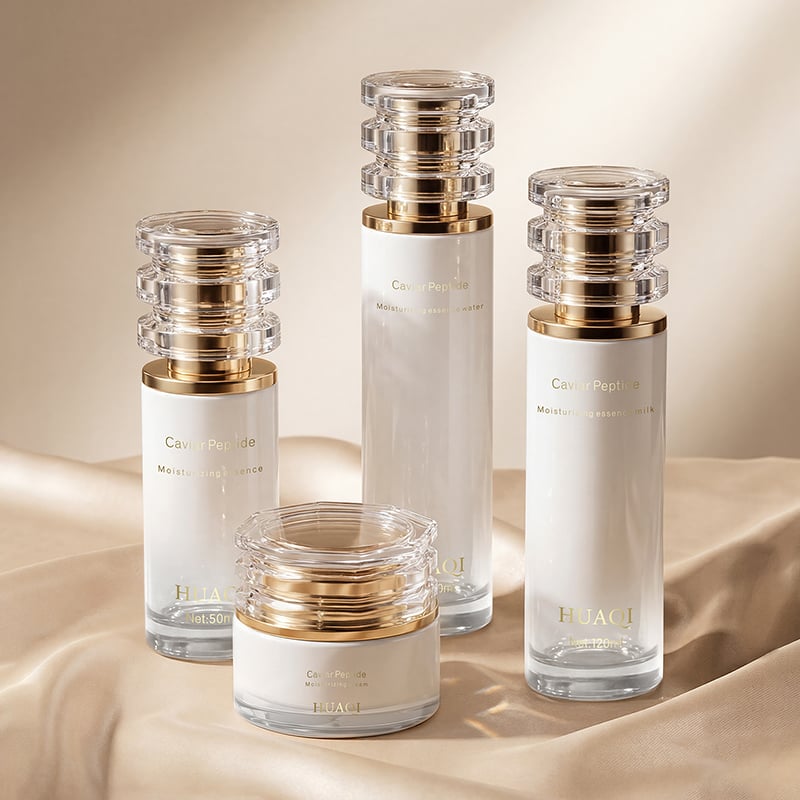
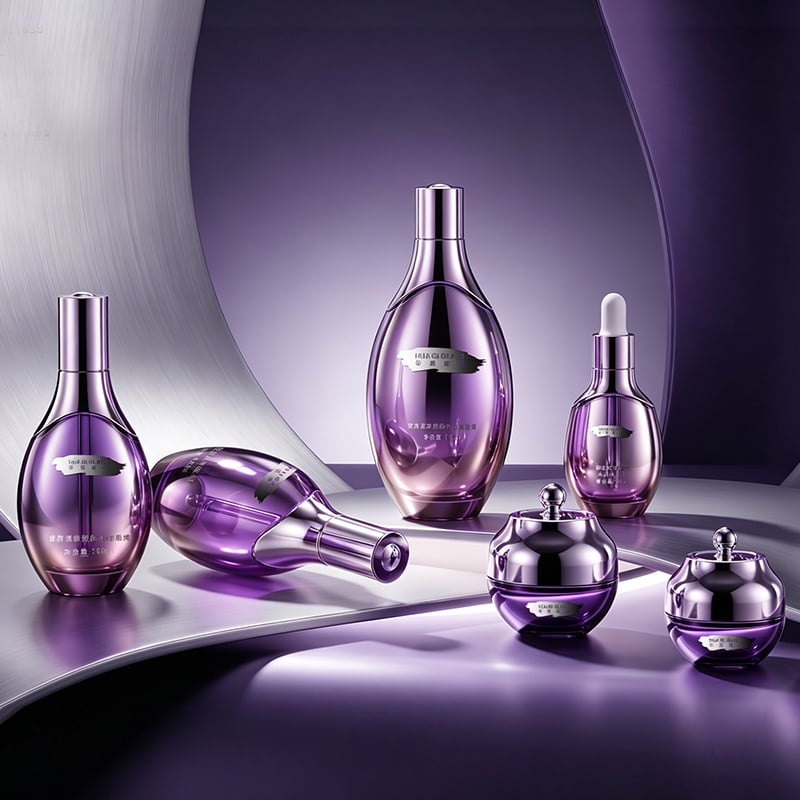
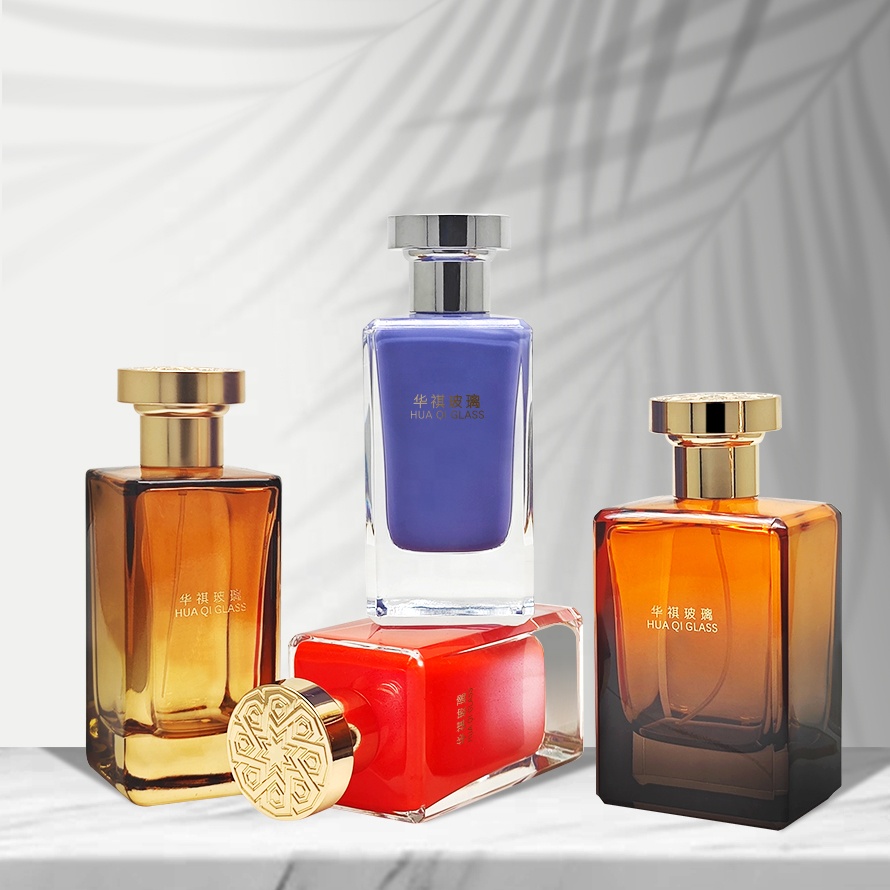
The inherent properties of glass cosmetic bottles deliver unmatched sensory engagement. Crystal transparency showcases product purity; substantial weight signals craftsmanship—consumers perceive heavier packaging as 17% more premium, per sensory marketing studies. Smooth contours, embossed logos, or frosted finishes create memorable unboxing rituals that elevate perceived value by 23% (Packaging Digest 2023). Luxury brands harness these touchpoints to justify premium pricing, as sensory design strengthens differentiation in saturated beauty markets. Sixty-eight percent of consumers report that tactile packaging increases their brand trust—transforming routine interactions into premium moments aligned with both luxury aesthetics and sustainability narratives.
Glass inherently resists leaching, eliminating concerns about endocrine disruptors like phthalates or BPA migrating into formulations—a critical advantage documented in contact dermatitis research. Its non-reactive surface prevents degradation of preservative systems or formation of unintended byproducts, reducing allergenicity risks affecting over 13% of consumers. This chemical stability simplifies compliance with stringent global regulations—including EU Annex II and California’s Proposition 65—without requiring protective coatings that could compromise purity. Formulation-to-packaging interaction studies are more straightforward, accelerating time-to-market. Crucially, glass maintains barrier integrity indefinitely, unlike plastics that degrade and permit oxygen ingress—ensuring long-term formula efficacy while supporting robust ESG reporting frameworks. For brands navigating complex safety standards, glass delivers uncompromised protection and mitigates regulatory and reputational risk.
Glass cosmetic bottles provide a chemically inert barrier that prevents interaction with delicate ingredients, protecting their efficacy much better than plastic bottles.
Glass is infinitely recyclable, maintaining its purity and performance through endless recycling loops. This characteristic supports zero-waste strategies and sustainability claims.
Glass bottles offer premium visual and tactile qualities, such as transparency and weight, which enhance consumer perception of quality and trust in the brand.
 Hot News
Guangdong Huaqi Packaging provides premium cosmetic glass bottles, perfume bottles, and custom caps for global beauty brands. ISO9001/REACH certified, 8000+ molds, 95% repeat orders. Request OEM/ODM quote today.
Room 416, 4th Floor, Building A, Enterprise Service Center, No. 1 Guangzhou Road, Guangzhou (Qingyuan) Industrial Transfer Park, Shijiao Town, Qingcheng District, Qingyuan City
Copyright © Guangdong Huaqi Packaging Products Co., Ltd. --Privacy Policy

 EN
EN