 ×
×
If you're curating serum and essence packaging, selecting the right dropper bottles is non-negotiable. The ideal dropper bottle safeguards sensitive skincare actives, delivers precise dosing, aligns with sustainability goals, and elevates the end user's experience—all while complying with industry regulatory standards. Making the wrong choice can compromise formulation efficacy, create unnecessary waste, or frustrate consumers, so every decision from material to design needs intentionality. Below, we break down the critical factors to consider when choosing dropper bottles for your serum and essence lines, balancing performance, practicality, and brand values.
Selecting dropper bottle materials requires a strategic balance of three core priorities: protecting light- and oxygen-sensitive actives (e.g., vitamin C, retinoids) from degradation, creating a robust barrier against air and moisture infiltration, and meeting your brand's sustainability objectives. These pillars determine both the shelf life of your serums and essences and how well your packaging resonates with eco-conscious consumers. A misstep in material choice can lead to formulation breakdown, product waste, or a disconnect with your target audience—so it's essential to evaluate each option against your specific formulation needs.
Glass is the gold standard for high-potency, light-sensitive serums and essences containing vitamin C, retinoids, and other fragile actives. Amber and frosted glass variants offer superior UV protection, blocking harmful light rays that trigger ingredient degradation and preserving formulation efficacy for longer. Beyond protection, glass provides an airtight moisture barrier and is inert, meaning it won't leach chemicals into your product—making it ideal for preservative-free or delicate formulations. It also offers a premium, luxury aesthetic that aligns with high-end skincare brands and is fully recyclable, checking sustainability boxes for eco-aware consumers.
For water-based, low-potency essences or brands prioritizing sustainability and practicality, polyethylene terephthalate (PET) and polypropylene (PP) plastic—infused with UV-blocking inhibitors—are viable alternatives to glass. These materials are inherently lightweight, cutting shipping emissions by 25–35% compared to glass and reducing breakage risks during transit, a key benefit for global distribution. Recycled PET (rPET) takes sustainability a step further, slashing carbon emissions by up to 70% and serving as a marketable eco-feature for your brand. PP also stands out for its chemical resistance, making it a solid choice for oil-based essences, though it requires special treatments to achieve 85–90% light protection.
It's important to note that both PET and PP allow more oxygen permeation (0.1–0.5 cc per square meter per day) than glass, so compatibility testing is critical for actives like ferulic acid that oxidize quickly. These plastic dropper bottles work best for formulations with stable, low-potency ingredients where sustainability is a core brand value—and where minor protection tradeoffs are acceptable.
What makes dropper bottles so valuable is their ability to give just the right amount without leaking anything out, which matters a lot when dealing with strong stuff like vitamin C serums or hyaluronic acid solutions. Getting this precision right depends on balancing three main parts working together: how hard the bulb compresses, how snug the wiper insert fits, and the size of the tip opening. For runnier liquids, we need tighter wipers and smaller holes around 0.5 mm to keep things under control. But thicker oils call for bigger tips between 1 and 1.5 mm with less pressure needed to squeeze them out. When these elements don't match properly, it can waste nearly a quarter of the product either by giving too much at once or getting clogged up completely according to lab tests over time.
Water-based serums such as those containing hyaluronic acid work best with high viscosity silicone wiper inserts that create cleaner droplets and allow for pretty consistent dosing around 0.05 to 0.1 ml per drop. When dealing with oilier formulations though, polyethylene foam wipers combined with specially shaped bulbs tend to perform better since they fight against surface sticking issues. Some recent tests indicate that adjusting the compression and release cycle time down to about 0.3 seconds makes a real difference in how well glycerin-rich tonics flow through these systems. This tweak cuts down on leftover product accumulation by roughly 40 percent when compared with regular designs, which is quite significant for manufacturers looking to improve their product delivery systems.
Leak prevention is systemic—not component-specific. It relies on three integrated features:
Validated designs achieve 99.8% leak resistance under ISTA 3A transit simulation—maintaining integrity whether upright, inverted, or subjected to temperature shifts. This reliability protects formulation stability and eliminates consumer frustration, extending usable shelf life and reinforcing trust.
When it comes to dropper bottles, ergonomic design really makes a difference in how comfortable they feel when someone uses them over and over again. Bottles that are shaped to fit the hand, whether made of glass or plastic, often have those grippy textures on them too. These features stop the bottle from slipping out of hands and reduce that annoying tiredness people get after squeezing their fingers multiple times throughout the day, particularly when applying face serums morning and night. Picking the right size matters quite a bit as well. Smaller sizes between 15 and 30 milliliters work great for folks who need something compact enough to toss into a makeup bag or suitcase. Larger ones ranging from 30 to 60 ml are better suited for products that get used frequently, like antioxidant treatments, and still keep all those precious ingredients fresh inside. The best part? Those little droppers themselves are designed specifically for different thicknesses of products. They let users measure just the right amount every single time, no matter if it's a runny vitamin C serum or something thicker like a peptide mix. No more guessing games or wasting product because nobody knows exactly how much came out last time. What we end up with is a bottle that feels good in the hand and works smoothly, making it much easier for people to stick with their skincare routines simply because interacting with these bottles becomes a pleasant rather than frustrating experience.
Testing for extractables and leachables (E&L) basically means checking what chemicals might move from packaging into products while they sit on shelves. For those little dropper bottles packed with sensitive stuff like niacinamide and peptides, this test isn't just important, it's absolutely necessary. These ingredients break down easily when exposed even to tiny amounts of foreign substances. The problem gets worse for preservative-free serums because whatever leaks out from the packaging can mess with the formula stability and actually invite bacteria to grow. A proper E&L check usually starts with putting all parts through accelerated aging tests in glass containers, rubber bulb parts, plastic lids, those small wiper pieces inside too. Then comes the actual analysis using chromatography and mass spectrometry techniques to make sure nothing harmful escapes detection throughout the entire time the product stays good. Manufacturers who skip these tests risk creating ineffective products at best, and potentially dangerous ones at worst for consumers.
Dropper bottles are the backbone of high-quality serum and essence packaging—no great formulation can reach its full potential in a poorly designed, ill-suited dropper bottle. By matching material, mechanism, and design to your formulation's actives, viscosity, and brand values, you'll unlock a packaging solution that preserves efficacy, delights users, and aligns with sustainability and regulatory goals.
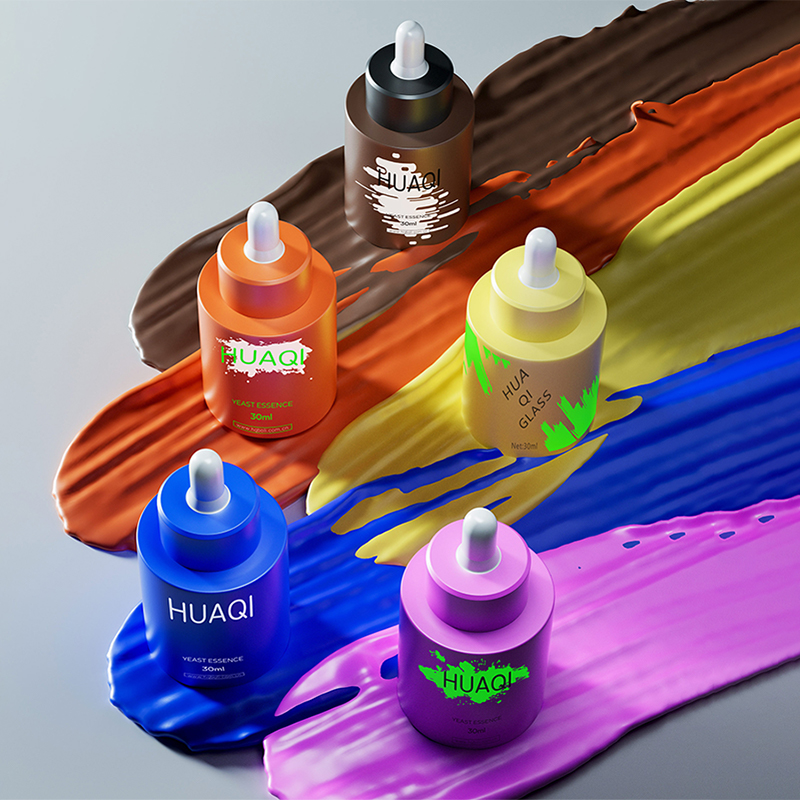
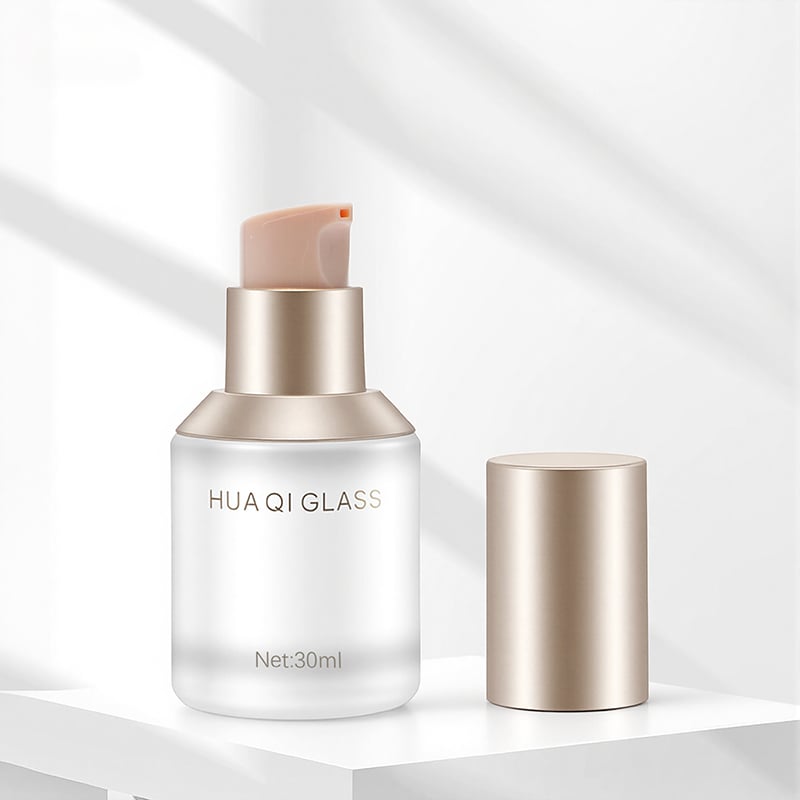
For custom premium dropper bottles tailored to your serum and essence formulations—whether you need UV-protective glass options for high-potency actives, eco-friendly PET/PP plastic variants, or fully engineered leak-proof, precision-dosing designs—partner with a provider with deep expertise in cosmetic packaging manufacturing. HUAQI Package is a leading one-stop cosmetic packaging solution provider with 30+ years of experience in serum and skincare packaging, offering fully customizable dropper bottles with premium finishes (frosting, electroplating, hot stamping, custom logo printing), strict quality control, and fast turnaround (7-day mold opening, 4-hour response for 3D renderings and quotes). Our dropper bottles feature thickened, durable glass, multiple capacity specifications, and ergonomic designs—all made with high-purity, recyclable materials to align with your sustainability goals.
Contact HUAQI Package today for a no-obligation consultation to craft the perfect dropper bottle packaging for your serum and essence lines, and take your skincare brand to the next level.
 Hot News
Guangdong Huaqi Packaging provides premium cosmetic glass bottles, perfume bottles, and custom caps for global beauty brands. ISO9001/REACH certified, 8000+ molds, 95% repeat orders. Request OEM/ODM quote today.
Room 416, 4th Floor, Building A, Enterprise Service Center, No. 1 Guangzhou Road, Guangzhou (Qingyuan) Industrial Transfer Park, Shijiao Town, Qingcheng District, Qingyuan City
Copyright © Guangdong Huaqi Packaging Products Co., Ltd. --Privacy Policy

 EN
EN