 ×
×
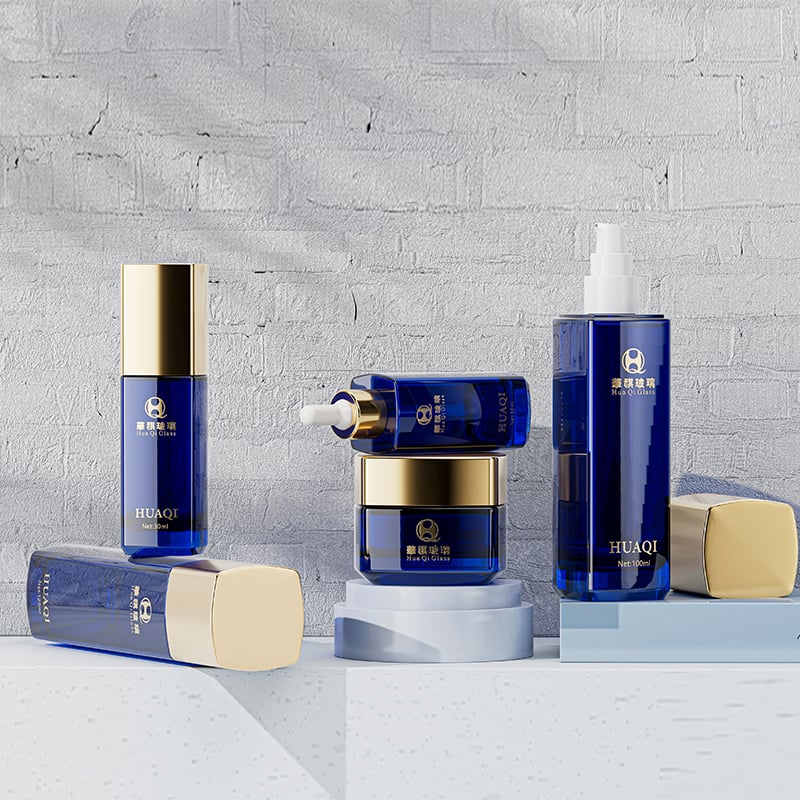
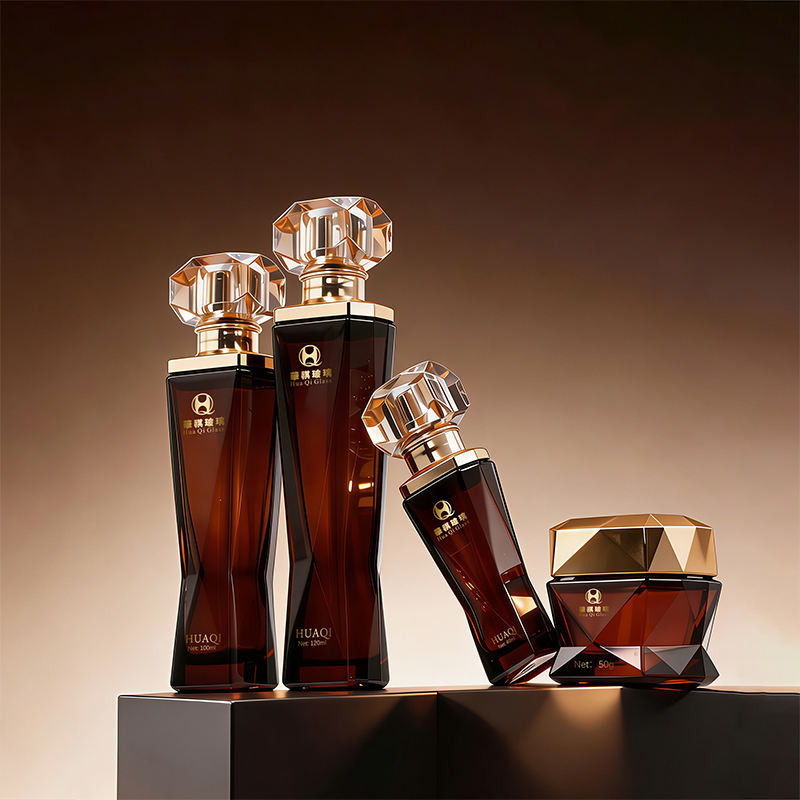
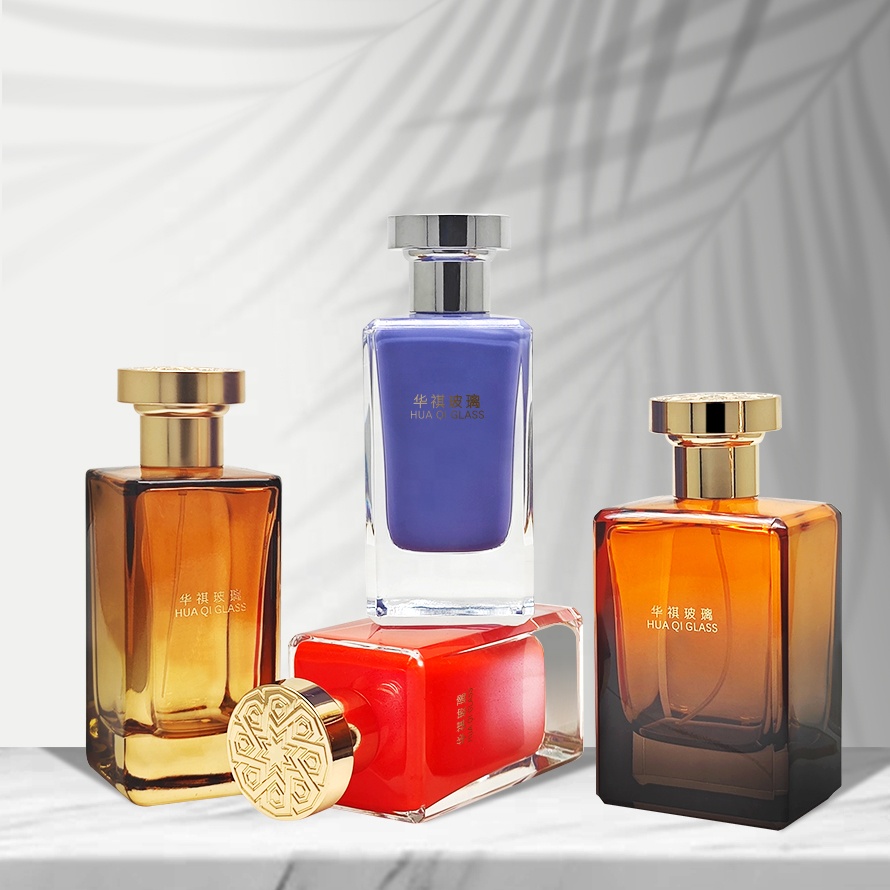
When it comes to skincare products, proper packaging is essential for keeping those active plant ingredients intact, and amber or cobalt glass stands out as top performers in passive protection. Amber glass actually stops around 97% of harmful UV light from getting through, which helps prevent those delicate terpenes and esters from breaking down before they can work their magic. Take citrus oils for instance these precious compounds tend to break down about three times quicker when stored in clear bottles because exposure to light speeds up oxidation processes that just plain kill effectiveness and shorten how long the product stays good. Cobalt blue glass gives similar protection against UV damage while looking great on store shelves too, maintaining the quality of oils for anywhere between 18 to 24 months without needing any extra chemicals mixed in. Plastic just doesn't cut it here since manufacturers have to add special UV inhibitors that might actually end up contaminating the formulation over time. That makes glass not just better looking but also safer and more reliable choice for delivering truly effective skincare solutions.
When it comes to storing essential oils and botanical extracts, plastic packaging actually creates several problems from a materials standpoint. The first issue is that certain oils rich in hydrocarbons like those from citrus fruits and pine trees can actually break down PET plastics over time. This breakdown allows harmful chemicals called phthalates to seep into the product. Another problem arises because compounds known as monoterpenes found in many plant extracts cause plastics to swell. This swelling weakens the seals on droppers and leads to significant losses through evaporation – sometimes as much as 23% each month according to lab tests. Thermal changes also create tiny cracks in plastic bottle necks and lids, which lets bacteria and other contaminants get inside. All these factors affect how products perform in actual use. Oils stored in plastic tend to become cloudy much quicker than those kept in glass containers – about 68% faster based on what we've seen in testing. This results in customer complaints about inconsistent quality, oil separation, and generally lower satisfaction with the final product's aroma and feel.
Dropper functionality is not an afterthought—it's a functional extension of formulation science. Two interdependent design elements—viscosity-matched inserts and leak-proof sealing systems—determine whether packaging preserves or undermines oil efficacy, safety, and user adherence.
The viscosity of essential oils varies quite a bit actually. Think about how light those citrus distillates are compared to heavier carrier oils such as rosehip or tamanu oil which can be really thick. Regular droppers just don't work well with all these different consistencies. Big openings tend to waste the thinner oils while small holes either get clogged up or give unpredictable results when dealing with thicker formulations. When manufacturers calibrate their dropper tips properly though, they manage to keep things pretty accurate within about 5% variance no matter what kind of oil we're talking about. That matters a lot especially for face serums where people apply them drop by drop. Not getting enough means missing out on benefits completely, but putting too much can irritate skin, particularly if someone has sensitive areas or damaged barriers already.
When seals fail, all sorts of problems start happening. First comes the loss of those volatile compounds we rely on, sometimes dropping potency by as much as 30% each month. Then there's the risk of microbes getting in from the air, plus leaks while products are being transported or stored somewhere. The good news is advanced sealing technology actually combines three different protective layers. We've got these special elastomer collars that fit snugly around glass necks, creating a tight seal. Next up are UV cured liners that fill in tiny surface flaws nobody can see. And finally, there are threaded caps equipped with torque indicators so workers know when something is properly closed. All together, this system stops oxygen from getting in, keeps things sterile, and adds anywhere from six to twelve extra months to how long products stay good. Plus it dramatically reduces returns caused by damaged goods or contamination issues during shipping.
Good packaging does more than just look nice on store shelves. It actually keeps ingredients safe and helps people use products the right way all the time. That's why it plays such a big role in whether treatments work as intended. Take those dark amber or cobalt glass bottles we see so often. They stop almost all UV light from getting through, which stops sensitive ingredients like limonene and linalool from breaking down. When these bottles come with droppers that match the thickness of what's inside, everyone gets exactly the right amount every time, no matter if it's a thin serum or something thicker. No more guessing games here! The seals on these containers are also pretty impressive. Made from materials that don't react with anything inside, they keep stuff from evaporating and stop bacteria from getting in, especially important when someone uses the product multiple times a day. Plus, when packages have comfortable shapes and clear measurements marked on them, people just naturally use them properly without second thoughts. Research into how cosmetics hold up over time shows that this whole package system cuts down wasted product by about a quarter while helping build better habits around how people actually use their skincare. What was once just something to put things in becomes something that really protects what's inside.
The package is often what makes that first impression in clinical settings, and people tend to form opinions based on how something feels, looks, and whether they can see inside it. Recent research from 2024 showed around 78% of folks connect the heft, smooth texture, and dense coolness of amber glass bottles with higher quality products they can trust, way more so than when dealing with rough surfaces or flimsy plastics. The consistent deep blue or amber colors aren't just there for show either. They actually tell consumers that the product comes with natural UV protection built right in, giving them peace of mind knowing their oils stay fresh longer both on store shelves and sitting in bathroom cabinets at home. Clear labels that follow regulations matter too. These should include complete ingredient lists using proper names, instructions on how to mix things properly, and warnings about who shouldn't use them. Market data suggests this kind of detailed information cuts down on second thoughts before buying by about a third. Brands that get all three aspects right tactile experience, visual appeal, and honest communication start looking like serious players aligned with scientific standards. Products packaged with the same care as their actual contents see a big boost in repeat sales, jumping up around 41% compared to run-of-the-mill containers that don't measure up functionally.
Why are glass bottles preferred over plastic for essential oils?
Glass bottles are preferred because they prevent harmful UV light from degrading the oil and avoid contamination, unlike plastic which can leach chemicals.
How do amber and cobalt glass protect skincare oils?
Amber and cobalt glass block UV light, preventing oxidation and preserving the potency of essential oils for a longer shelf life.
What are the risks of using plastic containers for essential oils?
Plastic containers can break down when storing certain oils, allowing harmful chemicals to leach into the product and causing other issues like evaporation and bacteria contamination.
How does dropper design affect oil use?
Dropper design impacts the accuracy of oil dispensing, where viscosity-matched inserts ensure consistent dosing and leak-proof seals prevent evaporation and contamination.
How does packaging affect brand trust?
Quality packaging with clear labels can signal high-quality products and build consumer trust, promoting repeat sales.
 Hot News
Guangdong Huaqi Packaging provides premium cosmetic glass bottles, perfume bottles, and custom caps for global beauty brands. ISO9001/REACH certified, 8000+ molds, 95% repeat orders. Request OEM/ODM quote today.
Room 416, 4th Floor, Building A, Enterprise Service Center, No. 1 Guangzhou Road, Guangzhou (Qingyuan) Industrial Transfer Park, Shijiao Town, Qingcheng District, Qingyuan City
Copyright © Guangdong Huaqi Packaging Products Co., Ltd. --Privacy Policy

 EN
EN