 ×
×
Glass dominates sustainable cosmetic packaging for its unparalleled environmental and functional benefits. Unlike plastic alternatives, glass offers infinite recyclability and preserves product safety without compromise.
Glass stands apart through its circular lifecycle. Its inherent properties enable:
Glass eliminates chemical contamination risks prevalent in plastic packaging due to its:
This dual advantage—ecological circularity combined with uncompromised product protection—positions glass as the responsible choice for conscientious brands.
When looking at whether cosmetic packaging is truly sustainable, we need to consider things like how much energy goes into making it, what kind of emissions are produced, and all the logistics involved from start to finish. Glass production runs at much hotter temps than plastic manufacturing does actually reaching around 1500 degrees Celsius which means way more energy gets used up and creates bigger carbon dioxide emissions right from the get-go. And let's not forget about the weight factor either. Because glass is so heavy, shipping it around burns through roughly 40 percent more fuel for each item transported when compared to those lighter plastic alternatives. That makes a real difference over time especially considering how many products travel long distances before they even reach store shelves.
Plastic manufacturing depends on limited petroleum resources and creates long-lasting microplastic contamination problems. Less than 10% of all plastic waste gets recycled worldwide according to OECD data from 2022. Both plastics and glass produce emissions while being transported, but glass stands out for its excellent recyclability. Glass containers can be reused infinitely with about 30 to 40 percent less energy needed compared to making new glass from raw materials. This advantage becomes significant when there are good systems in place for collecting and processing used glass. When choosing materials for cosmetics packaging, companies need to weigh several factors including how much energy goes into production, transportation costs, and what happens to the product after consumers finish using it. Finding this balance helps reduce overall environmental impact across the entire lifecycle of beauty products.
Cosmetic packaging made from glass offers exceptional protection against things that can ruin product quality over time. The material's solid, non-porous nature stops harmful UV rays from getting through, which helps protect delicate ingredients such as retinol and vitamin C from breaking down. Glass also keeps oxygen levels low inside containers, so oils and creams don't oxidize as quickly. Dust particles, bacteria, and other airborne nasties simply cannot get into glass containers, making them much cleaner for longer periods. Since glass doesn't react chemically with what's inside, perfumes maintain their original scent strength and serums keep their proper consistency throughout their lifespan. All these factors mean products last longer on store shelves and perform better when consumers finally open them, all while maintaining high standards of safety and effectiveness.
Glass manufacturers have managed to cut down on weight between about 15 to maybe 25 percent using newer molding methods. This means they're using less raw materials overall and producing fewer emissions too, all while keeping the strength and look of their products intact for customers. When it comes to high-end beauty products, refill stations made from glass are becoming the norm these days. Around two-thirds of top luxury brands actually offer these refill options so customers can reuse containers rather than throwing them away after one use. Standard jar designs with matching lids let people restock their favorite skincare items again and again. Some studies suggest this approach can triple how long packaging lasts compared to those throwaway containers we see everywhere else. For companies looking to stay green while still making money, these changes make perfect sense both environmentally and from a business perspective over time.
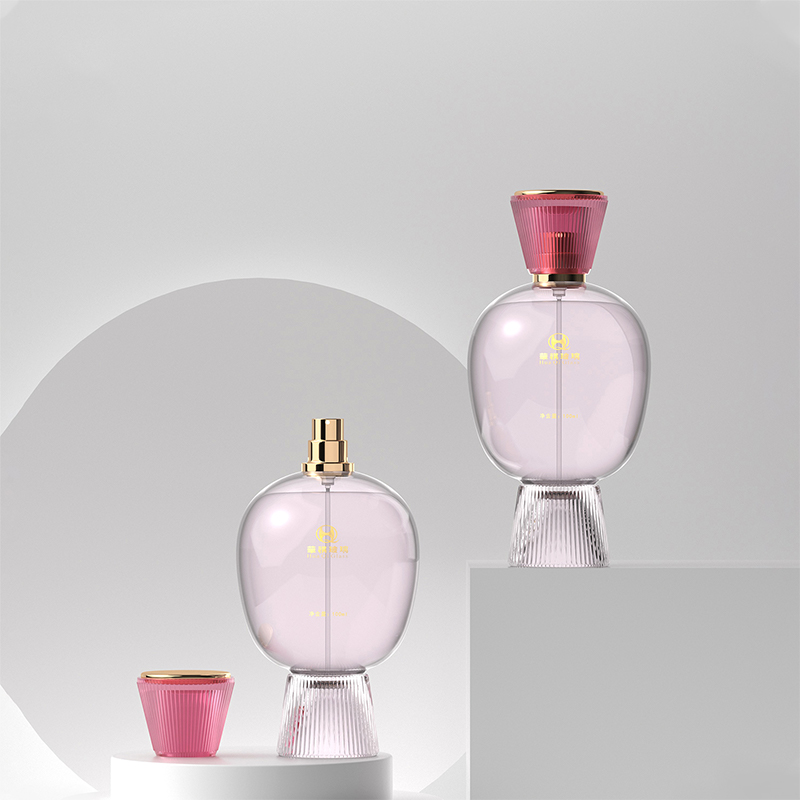
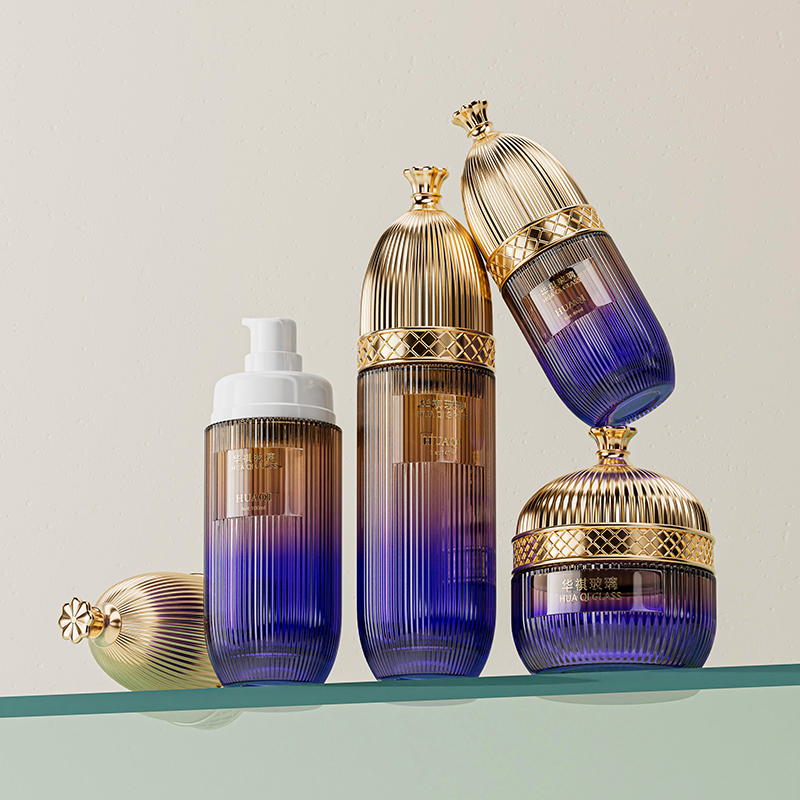
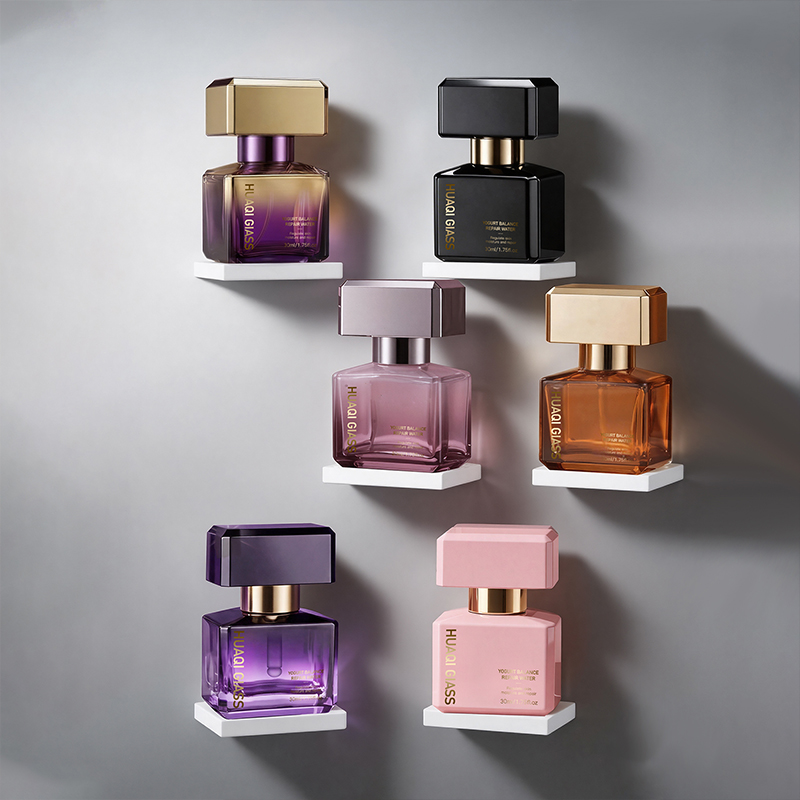
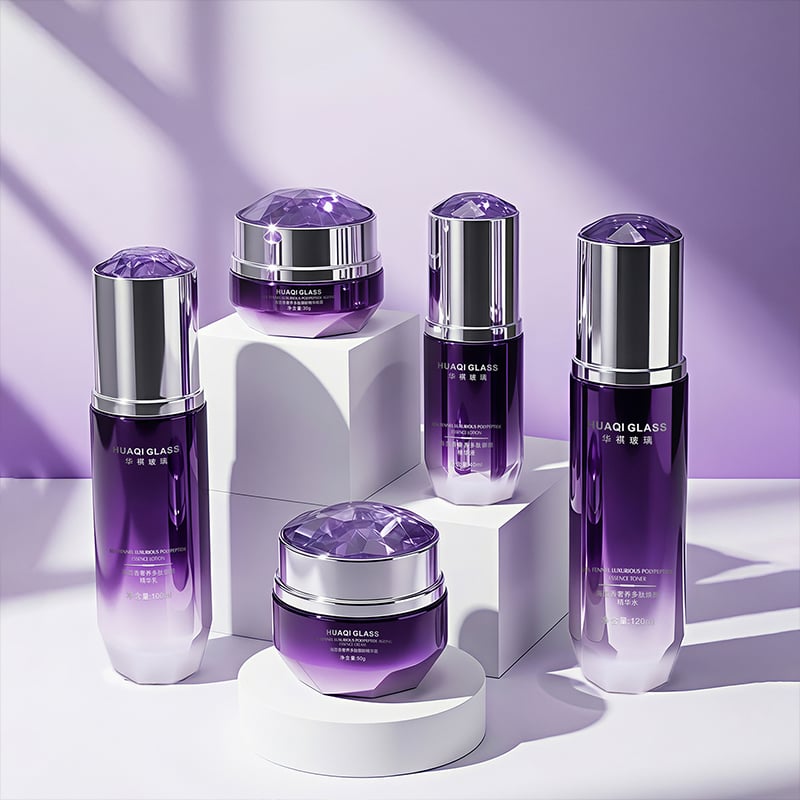
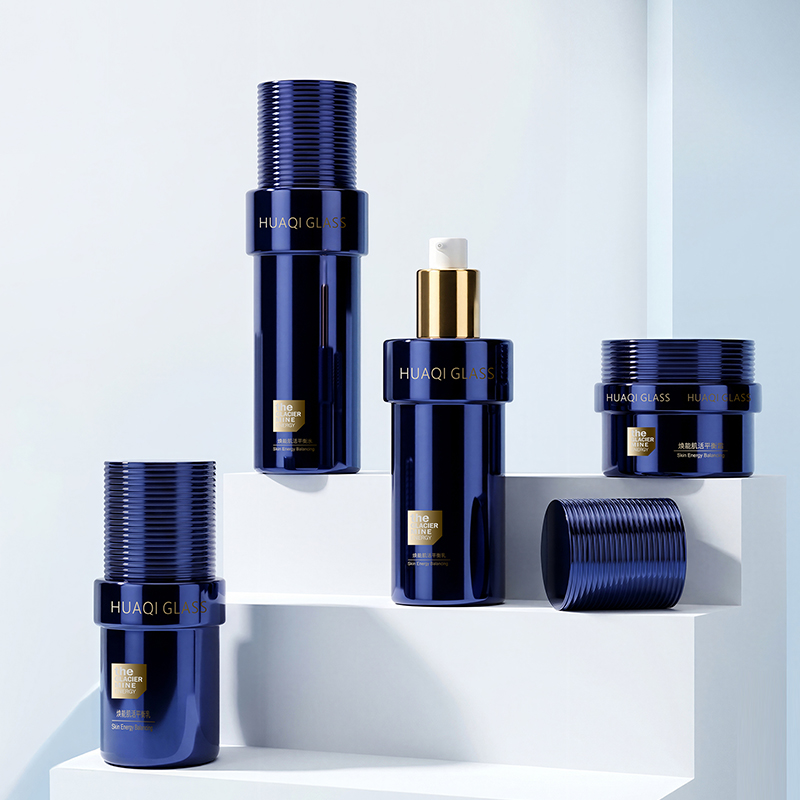
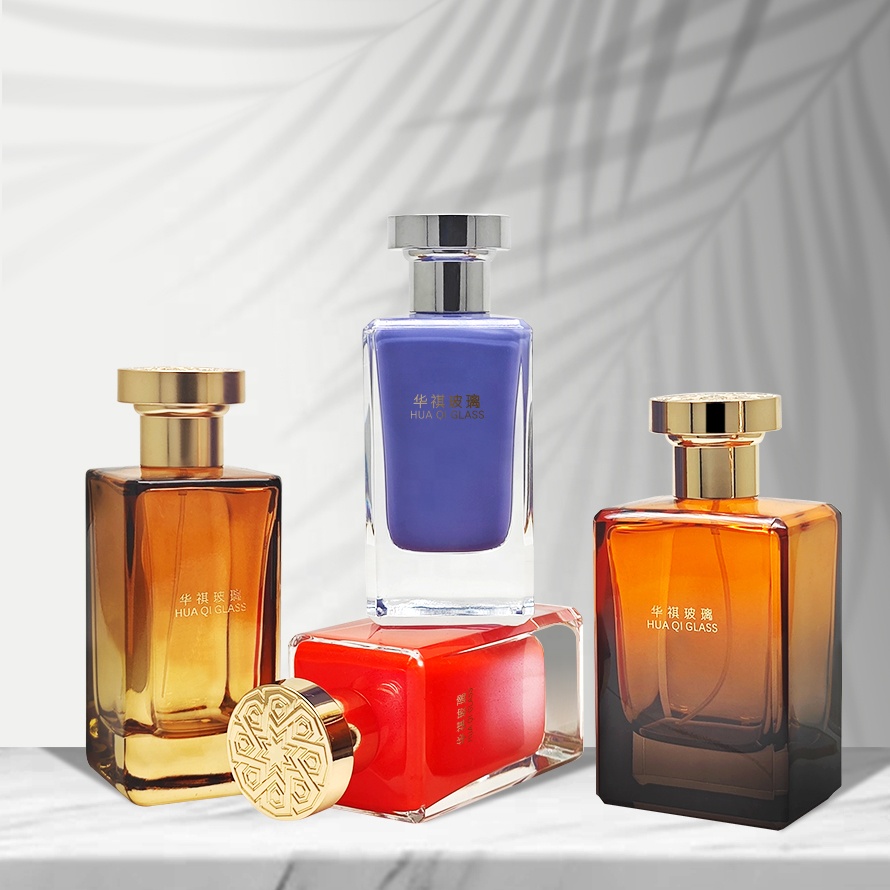
Glass design is getting a green makeover these days. Many manufacturers are turning to sandblasted frosted finishes and adding tactile ridges to their products. These features help people hold onto items better without needing those printed labels everywhere. Less ink means cleaner bottles and easier sorting at recycling centers. The good news about colored glass made from minerals is that it stays completely recyclable as long as there's no ceramic decoration involved. Most recycling plants will take this stuff even if it comes in different colors mixed together. About 92 percent of facilities actually accept mineral-based colored glass in their regular streams. Textured surfaces like diamond patterns or impressions inspired by nature hide small flaws on the glass surface. This approach cuts down on production waste by around 17% compared to making everything perfectly smooth. Looking at what's happening in the market right now, it seems clear that beautiful glassware doesn't have to sacrifice environmental responsibility for style.
 Hot News
Guangdong Huaqi Packaging provides premium cosmetic glass bottles, perfume bottles, and custom caps for global beauty brands. ISO9001/REACH certified, 8000+ molds, 95% repeat orders. Request OEM/ODM quote today.
Room 416, 4th Floor, Building A, Enterprise Service Center, No. 1 Guangzhou Road, Guangzhou (Qingyuan) Industrial Transfer Park, Shijiao Town, Qingcheng District, Qingyuan City
Copyright © Guangdong Huaqi Packaging Products Co., Ltd. --Privacy Policy

 EN
EN