 ×
×
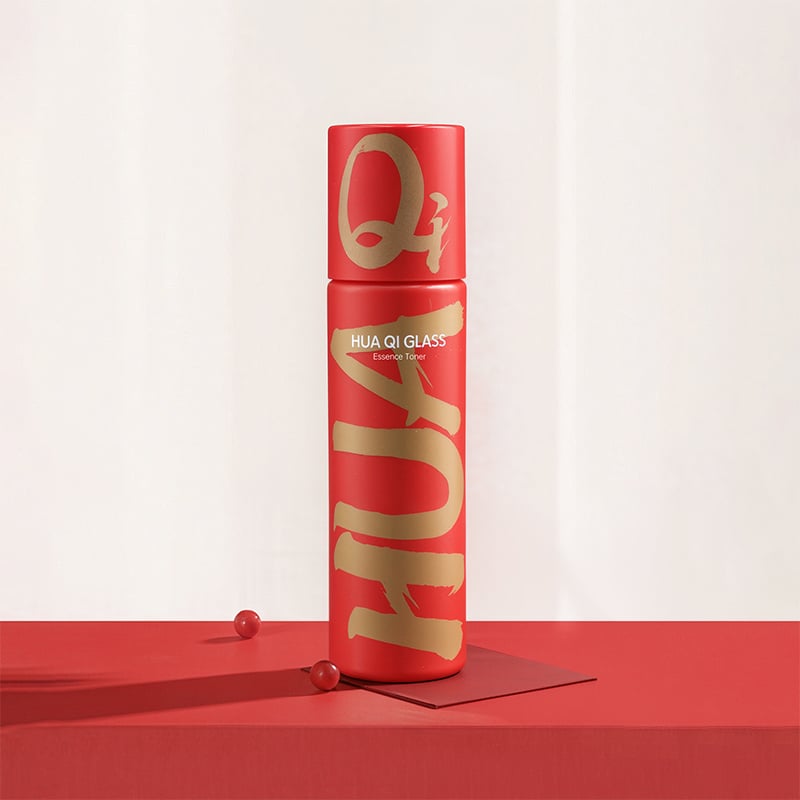
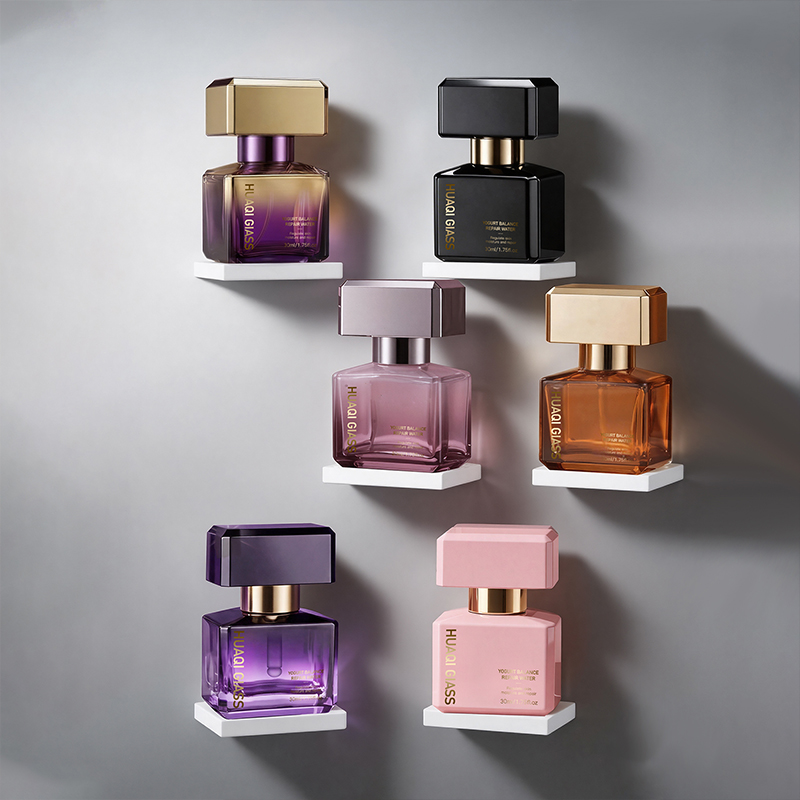
Cosmetic packaging for luxury brands isn't just about keeping products safe anymore. It's become an experience that engages multiple senses right from the moment someone gets their hands on it. When customers open these packages, they're actually triggering reward centers in their brains. Think about those heavy duty boxes, the subtle texture of debossed logos, soft silks or velvets lining the inside, and those satisfying magnetic closures that click shut just right. All these details create excitement before anyone ever sees what's inside. Studies indicate around 7 out of 10 people remember their first impression of a brand based on how good the packaging feels and looks. These fancy finishes set up expectations about how effective and well made the actual product will be, sometimes even before it touches skin.
When products consistently use good materials and are built well, people tend to think they're worth more money. This happens because our brains take mental shortcuts when judging value. Take the halo effect for instance - this is where folks start seeing qualities from something's packaging, like how precise it looks, what kind of materials were used, or even just the colors chosen, and then apply those same positive thoughts to the actual product inside. According to some research by Nielsen, customers were willing to pay around 34% more for exactly the same product when it came in fancy packaging versus regular stuff. So basically, what we see and feel often matters more than what's actually in the bottle or box.
Tiffany's blue box stands out as one of the best examples of packaging becoming part of a brand's identity. The special Pantone 1837 color is instantly recognizable worldwide, and keeping this look consistent for over 180 years has made it synonymous with luxury, exclusivity, and something people desire. When customers see that distinctive shade, they immediately associate it with quality and prestige. Studies show products in such iconic packaging are valued about 150% higher than similar items wrapped in plain boxes. This proves that when design becomes part of what makes a brand valuable, those visual elements keep generating worth on their own without needing constant reinvention.
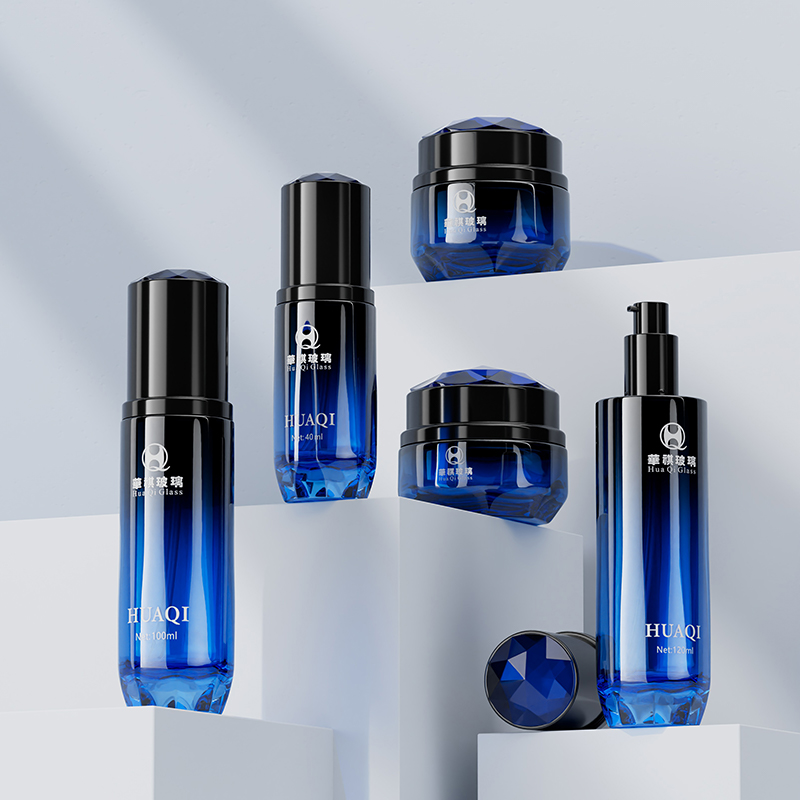
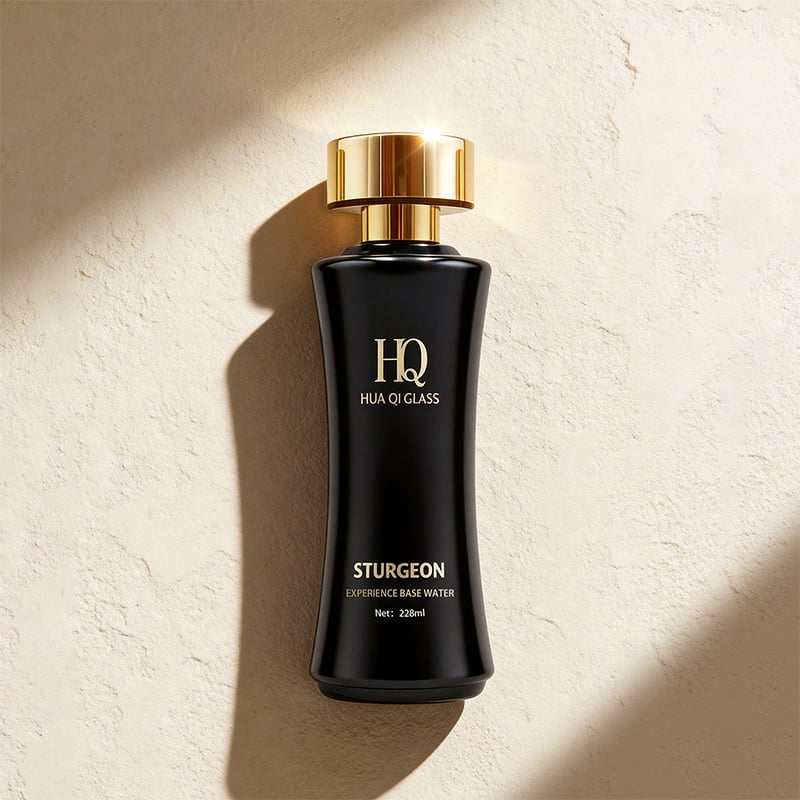
High end packaging basically becomes part of how customers experience a brand through their senses. When we talk about embossing, it gives people something interesting to touch and explore with their fingers. Metallic foil stamping catches the light just right when held up to see, creating that special sparkle effect. Typography choices matter too. Serif fonts tend to make consumers think about tradition and authority, whereas those clean sans-serif styles scream modernity and precision. Colors play tricks on our minds without us even realizing it. Deep green or blue shades scream luxury and confidence, while muted browns and grays send signals about thoughtful simplicity and environmental awareness. All these elements together create what researchers call a kind of magic multiplier effect. Studies show that when all these visual cues come together properly, people actually perceive products as being worth 30% to 50% more than they would otherwise. That's why smart designers never skip out on these details when crafting packaging for premium beauty products.
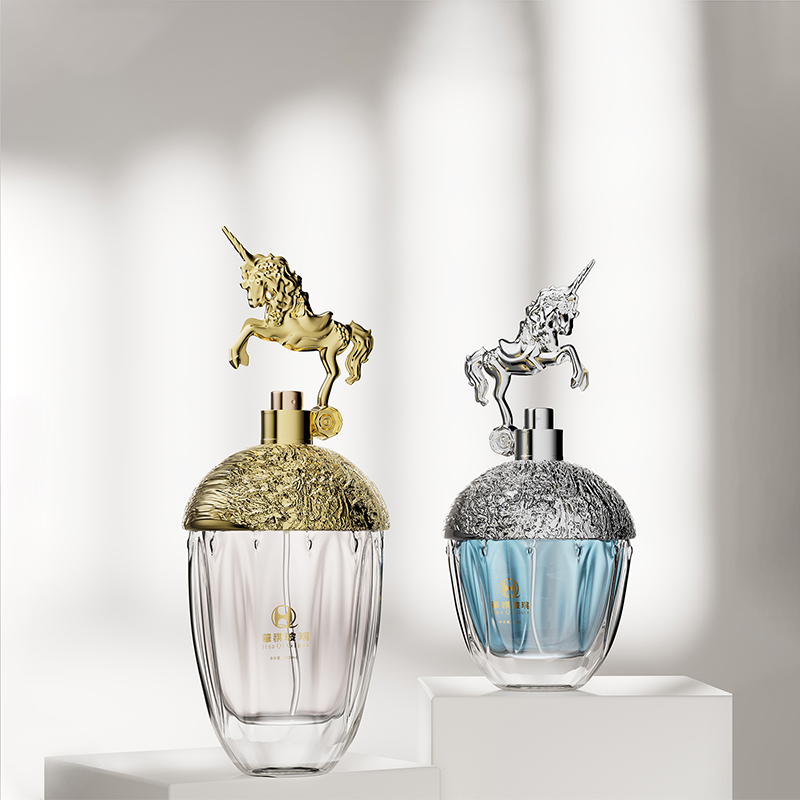
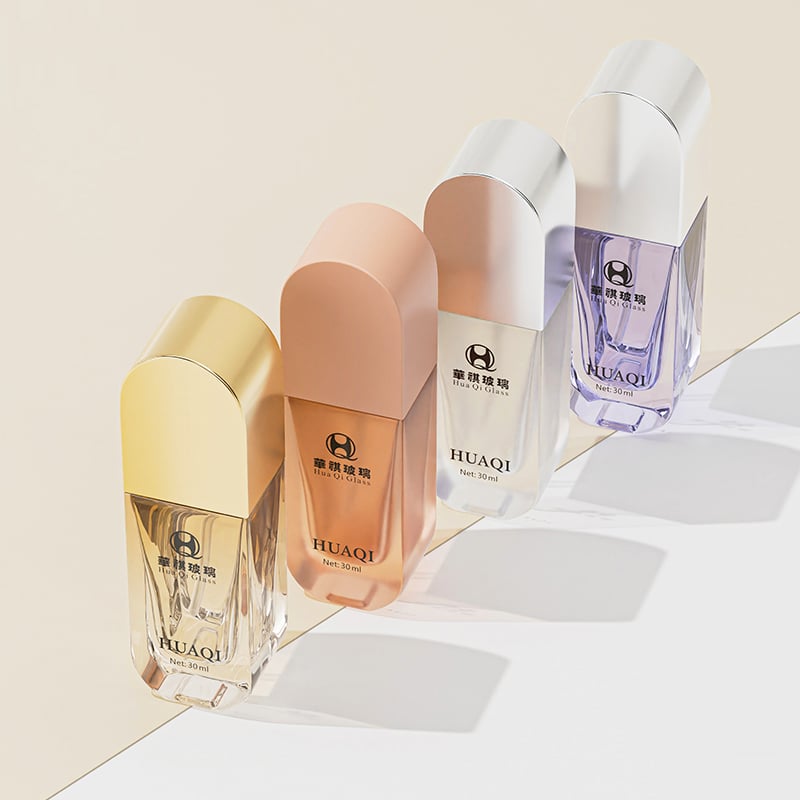
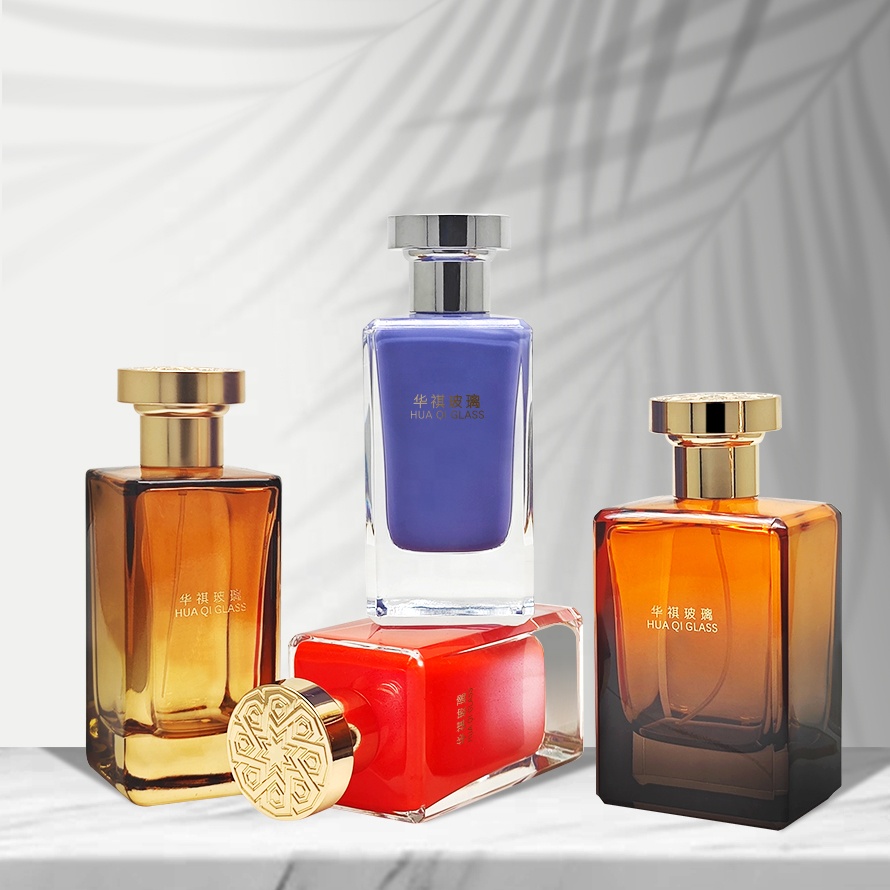
What materials get chosen often tells consumers something about quality without them even realizing it. Think about heavy paperboard with those linen or soft touch finishes - they scream craftsmanship. Frosted glass or clear glass makes products look clean and lasting. And these lightweight composite materials? They feel fancy in the hand but still hit sustainability targets. The finish matters too. High gloss UV coating gives stuff that shiny, precious look. Matte laminations have their own charm though, suggesting understated elegance. Weight perception really affects how valuable something seems. Smart brands know this and play around with how things feel when picked up, how stiff they are, even sounds like that satisfying "thunk" when closing a box. All these little touches let companies charge 20 to 40 percent more than similar products just because customers associate those physical qualities with better value.
When it comes to luxury cosmetics, packaging does much more than just hold products inside. It creates emotional experiences that go way beyond simply buying something. Think about opening that fancy box for the first time. Our brains actually respond to this moment because anticipation triggers dopamine release, which is why people feel so good when they finally get to see what's inside. Brands smartly use these psychological cues to connect with consumers on a deeper level. The whole experience turns someone who just bought a product into someone who feels part of a story, thanks to carefully designed elements that engage multiple senses at once.
These experiences convert customers into advocates: social sharing of unboxings amplifies organic reach, while emotional equity directly supports retention—72% of consumers report stronger repurchase intent after premium unboxing encounters. When every fold, hinge, and finish embodies brand values, luxury cosmetic packaging design cultivates devotion that price alone cannot replicate.
Sustainability isn't just about ticking boxes anymore; it has become something that signals true luxury these days. People who care about quality products now look for brands that take their environmental impact seriously while still delivering beautiful designs that feel great in hand. The world of luxury cosmetics packaging is changing fast. Designers are focusing on smart materials choices instead of just making things look good. They're finding ways to blend ethical practices with stunning aesthetics. Innovation matters, but so does thoughtful planning and creating products that can be reused or recycled rather than ending up in landfills after one use.
Brands that want to stay ahead are starting to use biodegradable metallic foils which still look shiny but break down in about six months. They also create fiber trays from farm scraps that have amazing strength and nice textures similar to what museums display. Refill systems for things like face serums, makeup bases, and powder compacts reduce packaging trash by around 74 percent according to Sustainable Packaging Coalition research from last year. What's interesting is how these refill options keep the luxury feel too. Thick glass containers, trays finished with soft silk-like surfaces, and those fancy metal lids all show customers that going green doesn't mean settling for less quality. When someone opens one of these packages, they see it's good for the planet without losing any of that special feeling that comes with premium products.
 Hot News
Guangdong Huaqi Packaging provides premium cosmetic glass bottles, perfume bottles, and custom caps for global beauty brands. ISO9001/REACH certified, 8000+ molds, 95% repeat orders. Request OEM/ODM quote today.
Room 416, 4th Floor, Building A, Enterprise Service Center, No. 1 Guangzhou Road, Guangzhou (Qingyuan) Industrial Transfer Park, Shijiao Town, Qingcheng District, Qingyuan City
Copyright © Guangdong Huaqi Packaging Products Co., Ltd. --Privacy Policy

 EN
EN