 ×
×
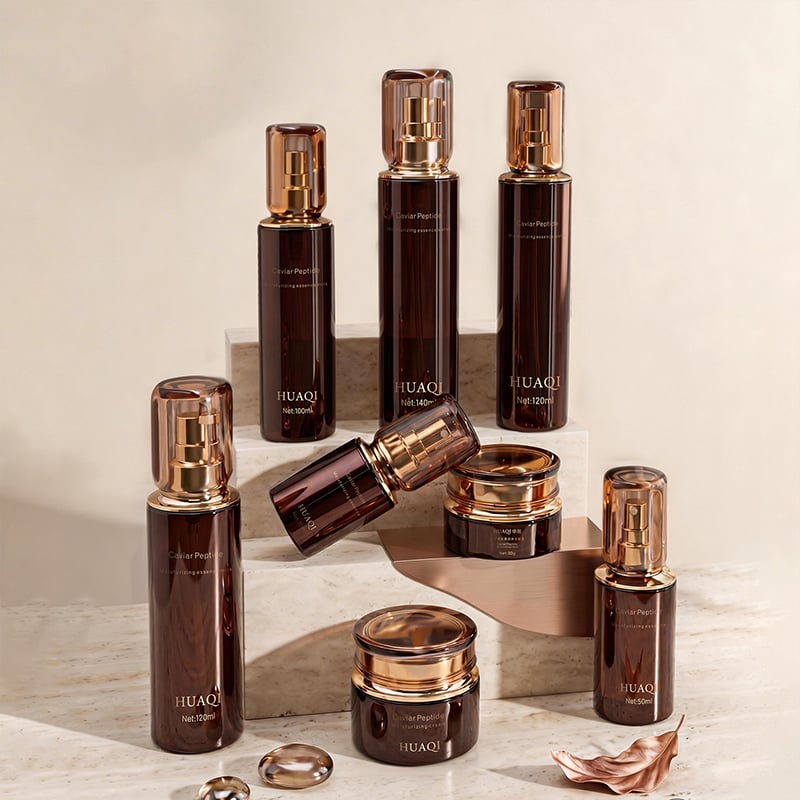
When it comes to keeping oxygen out, glass is really hard to beat compared to other packaging materials on the market. Studies from the Essential Oil Chemistry Review back this up showing that glass containers keep about 98% of those valuable volatile compounds intact for well over two years. Then there's amber glass which takes things even further by stopping most of that harmful UV light - around 90% gets blocked actually. This makes a big difference since UV exposure tends to break down these delicate substances pretty quickly. Aluminum does block oxygen pretty well too, but watch out because it doesn't always play nice with certain oils. Acidic citrus oils can sometimes react with aluminum surfaces, causing tiny amounts of metal to leach into the product and mess with its purity. Plastic options like PET and HDPE are another story entirely though. These plastics let through anywhere from ten to one hundred times more oxygen than glass does, which speeds up oxidation processes we want to avoid. Some tests have shown that PET bottles lose nearly half their terpenes within just six months. If someone wants their essential oils to stay potent for longer periods while maintaining chemical stability, dark amber or cobalt glass containers still seem like the best bet overall.
Certain reactive ingredients found in nature can cause problems when stored improperly. Take limonene from citrus oils, eugenol in cloves, and various monoterpenes they all tend to react badly with certain types of packaging materials. Limonene actually breaks down PVC seals because it dissolves the plasticizers inside them. Phenolic compounds will make natural rubber droppers brittle over time. And interestingly enough, high density polyethylene containers can absorb as much as 15% of those citrus terpenes after just eight weeks, which changes both the smell and strength of whatever's stored inside (this was documented in the 2021 Flavor Stability Report). That's why most professionals recommend using borosilicate glass bottles with PTFE lined caps for these kinds of products. These combinations show less than 0.1% interaction rate even when dealing with the most aggressive formulations around.
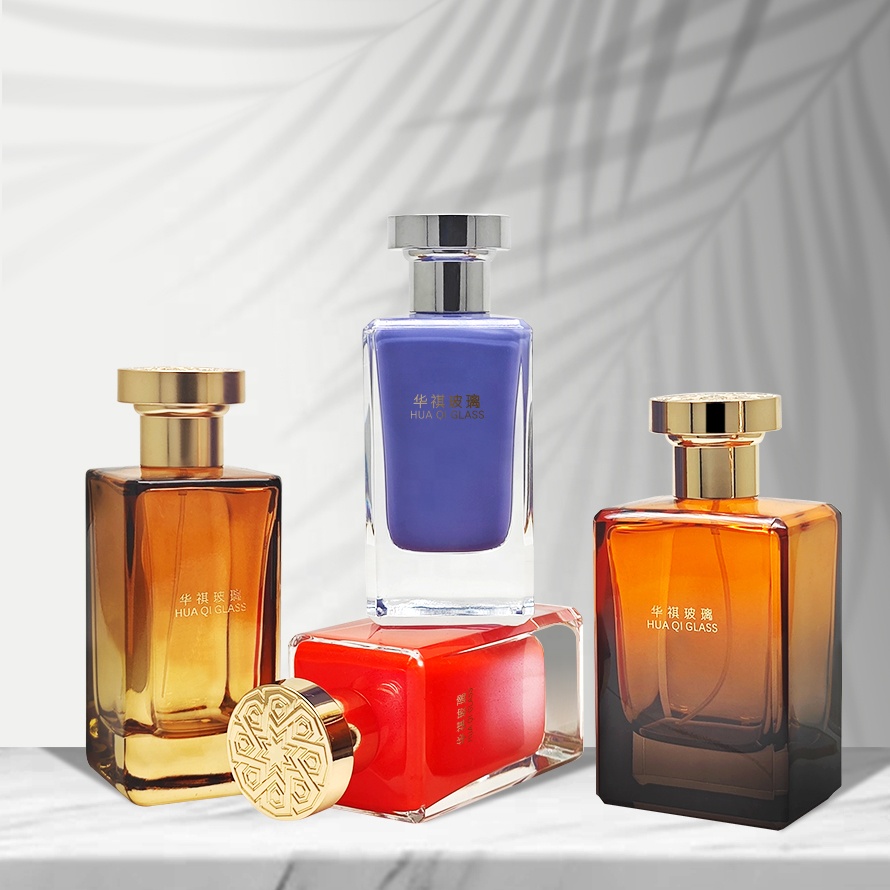
Exposure to ultraviolet light plays a big role in how essential oils break down over time through oxidation processes. When stored in amber glass containers, these oils get protected from about 90 to 95 percent of damaging UV rays, which can actually double their shelf life compared to regular clear glass bottles. Cobalt blue glass isn't quite as effective at blocking UV radiation, managing around 85 to 90 percent protection instead. Still, many manufacturers choose it because it looks nicer while still doing most of the job needed. For those really sensitive oils that just cannot tolerate any light exposure at all, there's special clear glass available now that has been treated with certain metal oxide coatings. This treatment stops over 99 percent of UV light, so it works great for delicate stuff like bergamot, neroli, and ylang ylang that would otherwise degrade very quickly when exposed to normal lighting conditions.
| Bottle Type | UV Blockage % | Stability Outcome (Shelf-Life Extension) | Key Application Insight |
|---|---|---|---|
| Amber Glass | 90–95% | 12–18 months | Cost-effective for high-volume blends |
| Cobalt Blue Glass | 85–90% | 10–15 months | Enhances premium aesthetics |
| UV-Blocking Glass | 99%+ | 24+ months | Optimal for reactive terpenes |
Unprotected oils oxidize up to 70% faster under ambient lighting conditions—directly eroding scent fidelity, therapeutic activity, and consumer trust. Selecting the appropriate UV-protective format isn’t cosmetic—it’s foundational to product integrity.
When choosing a dispensing system, it really matters how well it works with different oil characteristics and what the end user actually needs. Glass droppers give that pinpoint accuracy when dropping stuff out, which makes them great for strong mixtures where getting the right amount matters a lot, like when someone wants to dilute something before applying it on their skin. These work pretty well with oils that aren't too thick (below 200 cPs) and many people in clinics or those who practice aromatherapy tend to prefer them. Rollerball applicators are good for oils that have medium thickness between 200 and 500 cPs. They let folks apply product easily with just one hand straight onto their skin, making daily wellness practices much cleaner and less wasteful. Spray tops turn oils into nice little mists for spreading around rooms, but they need oils that flow freely (less than 100 cPs) otherwise the nozzles get blocked up and the mist doesn't come out evenly.
Ergonomic design, leak-resistant seals, and UV-stabilized components (e.g., PTFE-coated springs or UV-inhibited plastics) are non-negotiable for maintaining oil stability and elevating perceived quality. Crucially, rollerballs and sprays reduce direct contact with contents, minimizing cross-contamination—a key hygiene advantage emphasized by dermatologists and holistic practitioners alike.
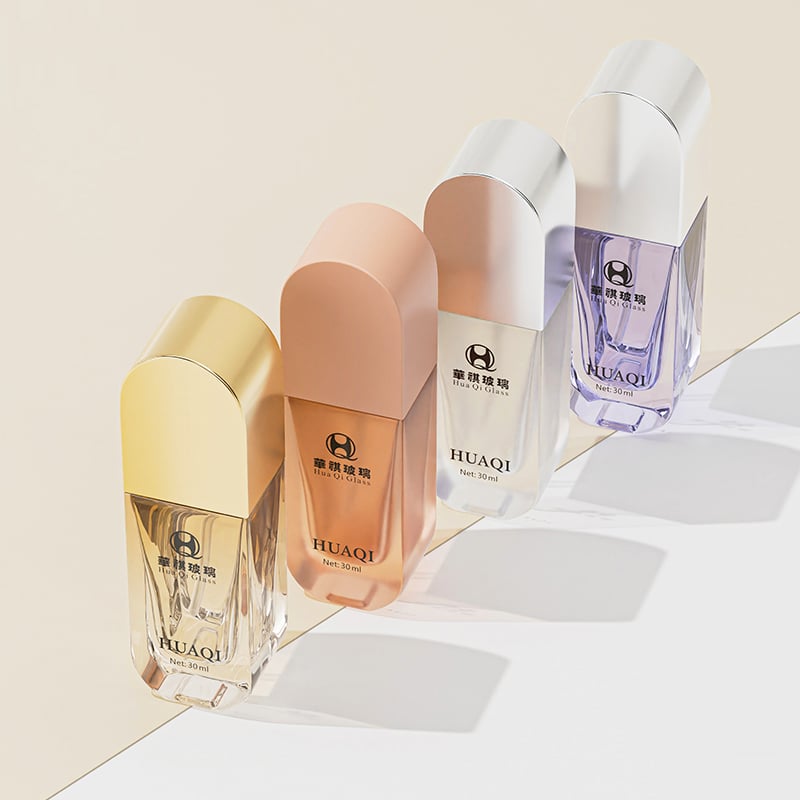
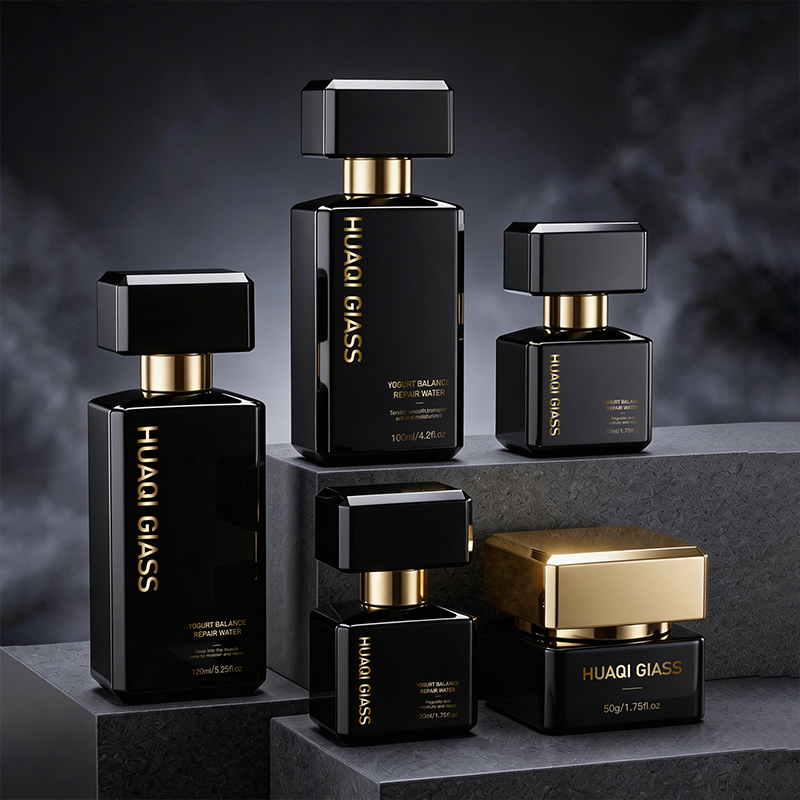
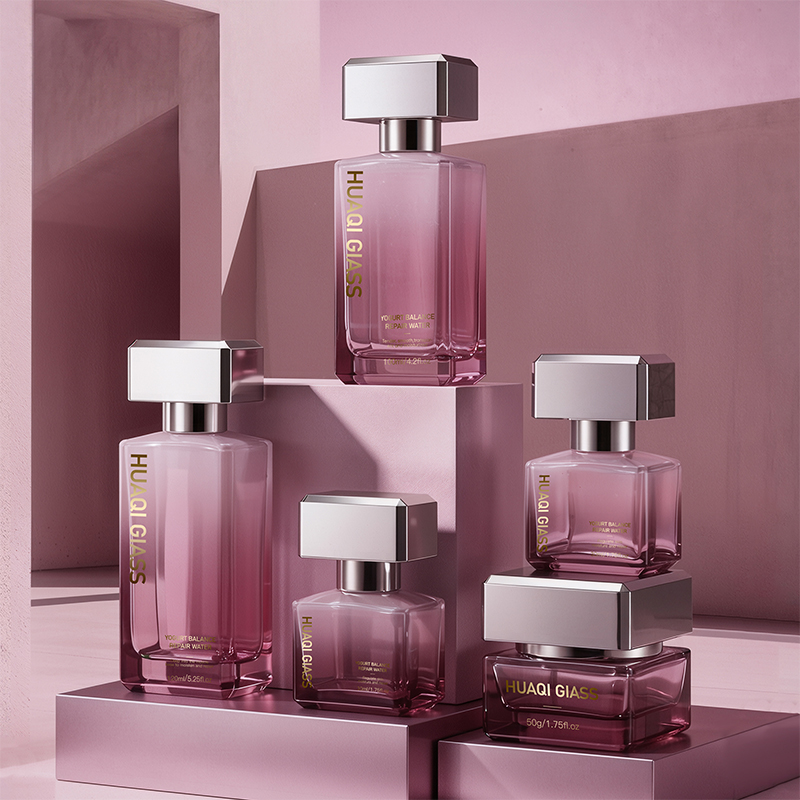
The look of a bottle goes way beyond just what it's made of or how it works. Things like shape, size, and how it closes all send messages about the brand. When it comes to sizes, there's actually some strategy behind them. Small 5ml bottles are great for samples and those little travel packs people love. Most folks at home reach for 10ml containers because they work well day to day. And then there are the bigger 30ml versions that professionals and people who go through products fast tend to prefer. These different sizes strike a balance between being easy to carry around, looking valuable enough to justify the price, and helping reduce waste over time. What kind of cap or closure a product uses tells consumers something too. Glass droppers with precise measurements scream medical grade quality and clean ingredients. Rollerball applicators make skincare feel more approachable and part of daily self care routines. Those fancy spray tops create this luxurious vibe and really enhance the overall experience when applying the product.
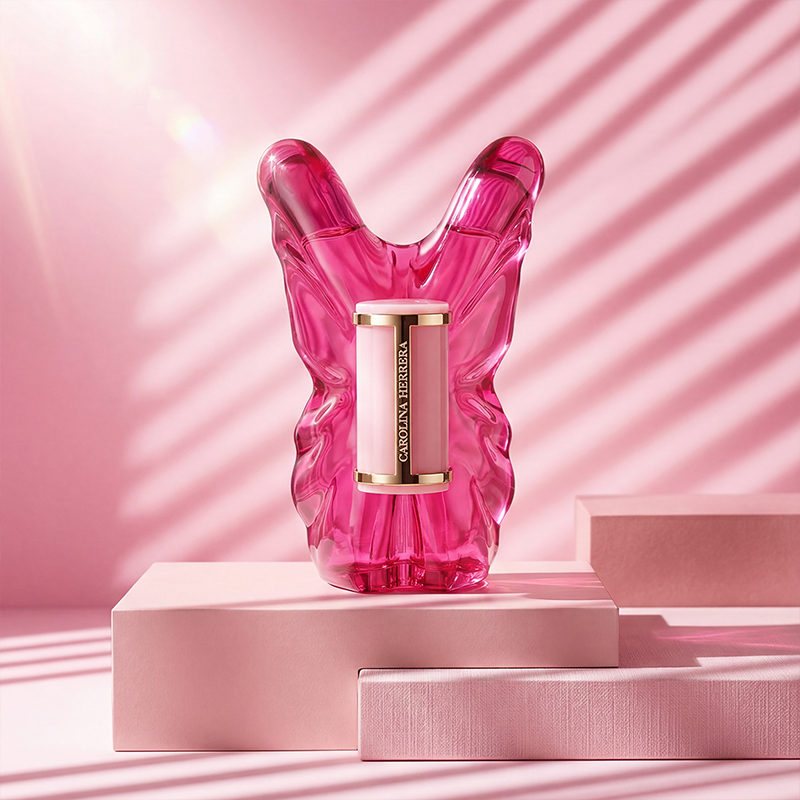
The customizable parts like hex shaped bodies, matte glass looks, or engraved caps really stand out on store shelves and help people recognize products at a glance. Research into packaging shows that unique lid designs can boost brand memory without prompting by around 40 percent, turning what was once just a box into something that actually represents the brand itself. Get these three things right size, form, and sealing mechanism and they do more than simply contain the product. They tell customers exactly what kind of values the company stands for when it comes to getting results, creating experiences, and staying true to who they are as a business.
 Hot News
Guangdong Huaqi Packaging provides premium cosmetic glass bottles, perfume bottles, and custom caps for global beauty brands. ISO9001/REACH certified, 8000+ molds, 95% repeat orders. Request OEM/ODM quote today.
Room 416, 4th Floor, Building A, Enterprise Service Center, No. 1 Guangzhou Road, Guangzhou (Qingyuan) Industrial Transfer Park, Shijiao Town, Qingcheng District, Qingyuan City
Copyright © Guangdong Huaqi Packaging Products Co., Ltd. --Privacy Policy

 EN
EN