 ×
×
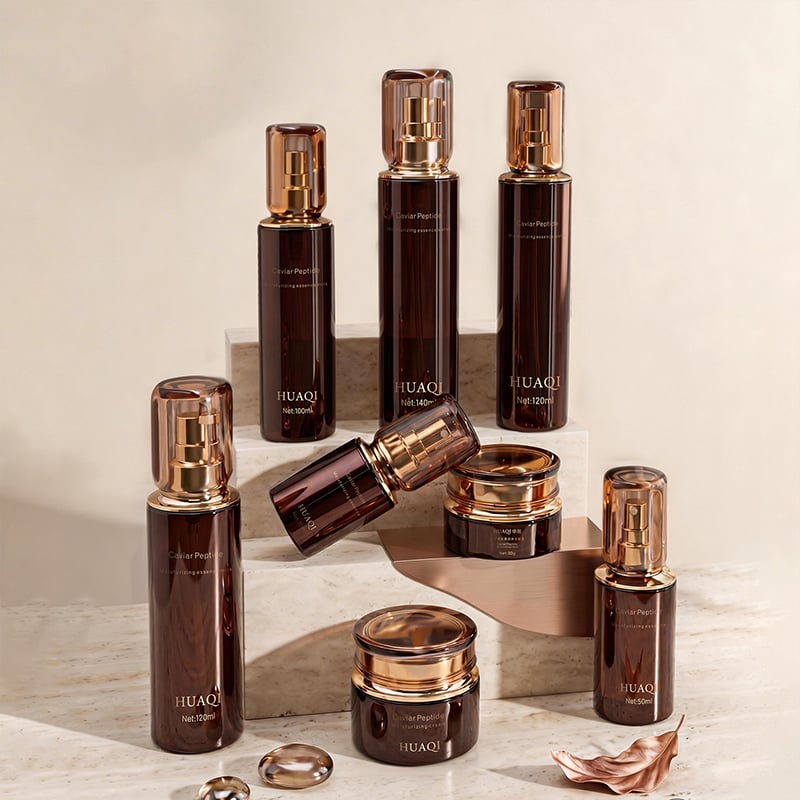
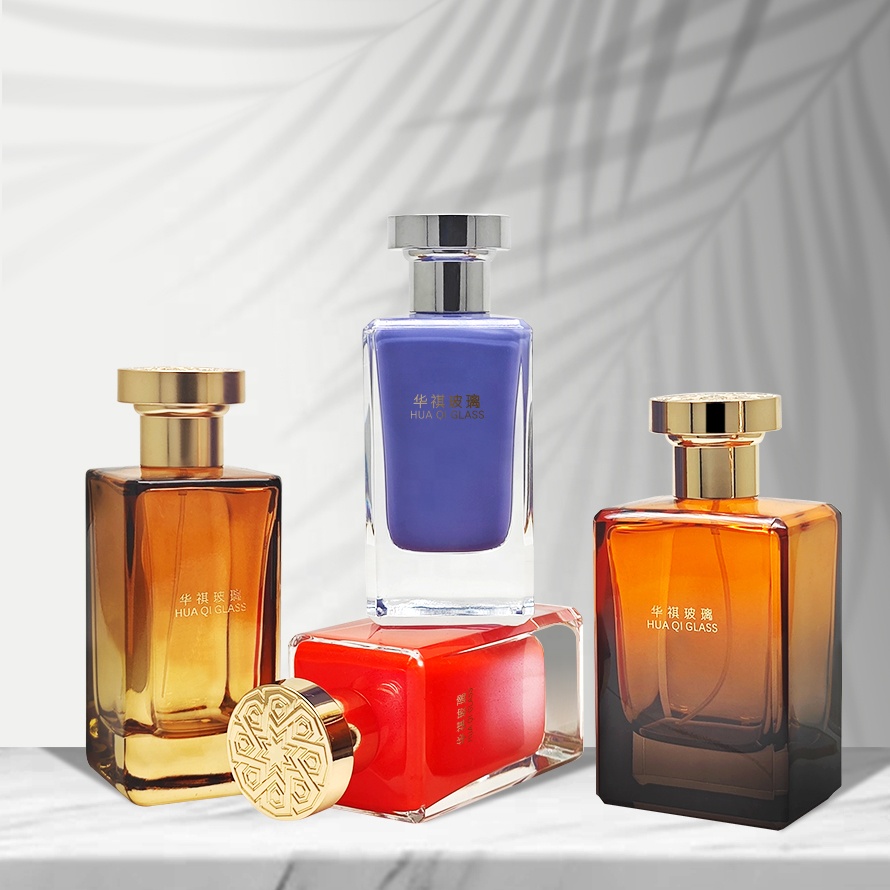
Amber and cobalt blue glass work really well as shields against UV rays for those sensitive skincare products. They actually block more than 90% of those harmful ultraviolet rays that can wreck havoc on formulas. Without this kind of protection, ingredients like retinoids, vitamin C, and plant extracts start breaking down. These components tend to oxidize, change color, and lose their effectiveness once they're hit by regular lighting conditions. The amber glass stops most of the bad stuff at around 450 nanometers. Cobalt blue goes even further, reaching out to about 500 nm, so it covers all the tricky light wavelengths that might cause problems. Clear glass just doesn't cut it here, nor does plastic. These colored options naturally filter out the damaging light without needing any special coatings or chemicals added. Combine them with good quality air tight seals and suddenly we have two layers of protection working together against both light exposure and oxygen contact, which are basically the main culprits behind formula breakdown.
Peer-reviewed stability studies confirm measurable shelf-life extension for high-value actives in UV-protective glass:
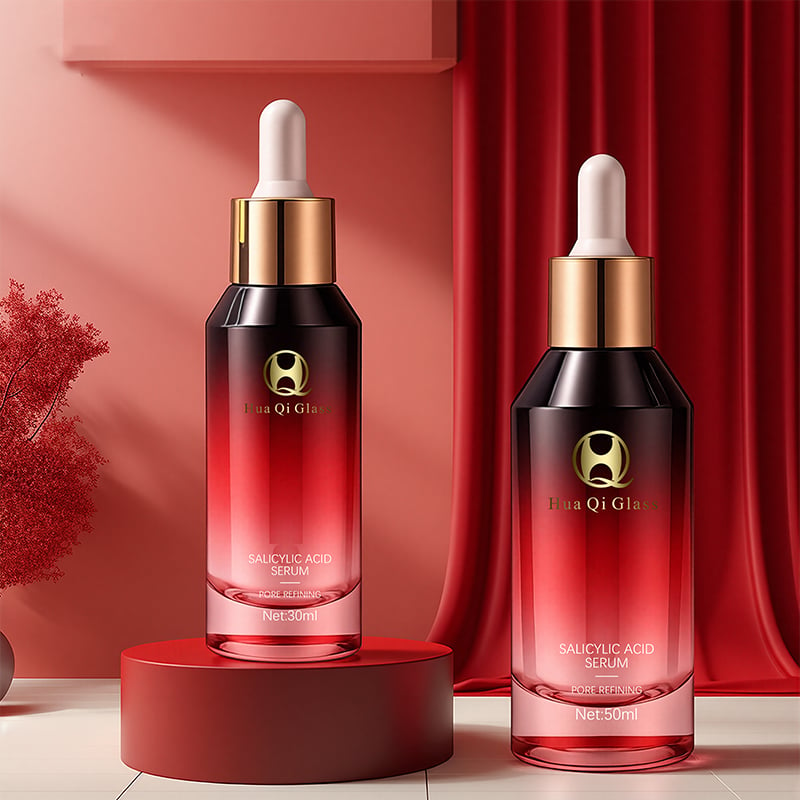
Non-reactive borosilicate glass eliminates pH shifts and catalytic surface interactions common in polymers. Combined with precision dropper mechanisms that limit air exposure during dispensing, this architecture ensures consumers receive formulations at label-stated concentrations–free from degradation byproducts linked to irritation or reduced clinical performance.
Glass is pretty much chemically neutral stuff. No worries about phthalates, BPA, or those oligomer compounds leaching into contents even after sitting there for ages with alcohol-based toners, oil soluble retinoids, or acidic serums. Tests run at accelerated speeds show absolutely nothing migrating out of borosilicate glass containers while plastic alternatives like PET and PP just keep letting stuff escape when put through similar stress tests. This kind of inertness really protects what's inside from getting contaminated or degraded. For people using doctor recommended treatments or strong prescription products where purity matters most, this makes all the difference in maintaining effectiveness without unwanted reactions on sensitive skin.
Real world testing over twelve months shows why glass packaging really stands out when it comes to keeping formulations intact. The pH levels stay pretty much the same, only changing by about 0.2 units for sensitive ingredients such as vitamin C and niacinamide. That's a big deal compared to plastic where nearly two thirds (around 68%) of samples showed significant pH changes after just six months in storage. When looking at more complicated mixtures containing things like peptides or delicate plant extracts that react badly to heat or light, glass containers kept almost all (about 98%) of the active ingredients intact while plastic only managed around 74%. This kind of stability matters because it stops unwanted chemical reactions from happening, which means products actually work as intended and don't pose unexpected risks to users.
Glass containers create almost no oxygen entry, forming a tight seal that stops sensitive ingredients like vitamin C and retinol from oxidizing. Plastic options just don't compare, even the best quality ones let in oxygen at rates up to 100 times higher than glass according to lab testing. This means products degrade faster and lose effectiveness sooner. Glass droppers are another advantage since they maintain consistent dosing with only about 5% variation in volume each time. Plastic droppers tend to get out of whack over time and depend too much on how hard someone squeezes them. Real world evidence shows formulas stored in glass keep their strength for around 30% longer compared to those in plastic packaging when kept under normal conditions. This matters for both product performance and consumer trust in what they're actually getting.
 Hot News
Guangdong Huaqi Packaging provides premium cosmetic glass bottles, perfume bottles, and custom caps for global beauty brands. ISO9001/REACH certified, 8000+ molds, 95% repeat orders. Request OEM/ODM quote today.
Room 416, 4th Floor, Building A, Enterprise Service Center, No. 1 Guangzhou Road, Guangzhou (Qingyuan) Industrial Transfer Park, Shijiao Town, Qingcheng District, Qingyuan City
Copyright © Guangdong Huaqi Packaging Products Co., Ltd. --Privacy Policy

 EN
EN