 ×
×
The Revised Cosmetics Regulation EC 1223/2009 has been strengthened recently through mandatory Extended Producer Responsibility rules. These new requirements force cosmetic companies to make sure their packaging can be recycled, reused, or refilled. Only around 30 percent of plastic cosmetics containers actually get recycled according to the Plastics Recovery Report from last year. Because of this low recycling rate, many brands are now looking at alternative materials that satisfy environmental regulations while still performing well on store shelves. Glass emerges as a top option since it can be recycled endlessly and maintains quality over time. Plus, consumers often associate glass packaging with higher quality products. For companies trying to stay compliant with regulations but also wanting to maintain their brand image, switching to glass makes good business sense in the long run.
The expectations of consumers are changing fast alongside new regulations. According to McKinsey's latest beauty survey from 2023, around two thirds of people buying beauty products put sustainable packaging near the top of their shopping list. When it comes to materials, glass keeps coming out as the most trusted option for those concerned about the environment. Glass doesn't react chemically, so it actually helps preserve delicate ingredients such as retinol and vitamin C. Plus, since glass can be recycled forever, it fits really well with the no waste lifestyle many people want now. We're seeing this meeting point between what regulators require and what customers want create something significant for the industry. Companies slow to switch to glass packaging might find themselves falling behind in markets where both green credentials and product effectiveness matter to shoppers.
Glass stands apart from plastic, where less than thirty percent actually gets properly recycled these days. Glass can be melted down again and again without any degradation in quality or performance characteristics. This kind of endless reuse means no downgrading of materials happens during recycling processes, something that really helps support those circular economy packaging approaches mandated by European Union Extended Producer Responsibility regulations. Cosmetic companies looking to hit their sustainability goals for 2030 will find glass provides a workable solution pathway that maintains product quality standards while keeping supply chains steady and reliable over time.
Glass naturally doesn't absorb anything and won't react chemically, creating a solid barrier that stops ingredients from breaking down, getting oxidized, or migrating from the container into the product itself. For premium skincare products with sensitive ingredients like retinol and vitamin C, this matters a lot because even tiny amounts of chemical leakage or oxygen getting in can really cut down how well these products work and shorten their shelf life. Plastic containers tell a different story though. Most plastics actually do interact with what's inside them over time, which means potential problems for both product safety and effectiveness down the road.
Glass packaging offers really good protection against things that break down cosmetics over time like oxygen exposure, moisture getting in, and harmful UV rays. Some tests have found that products stored in glass actually stay stable for around 40 percent longer compared to when they're kept in regular plastic bottles or those fancy aluminum lined tubes. The longer they last means manufacturers can cut back on preservatives, there's less wasted product because stuff doesn't spoil as quickly, and customers get products that perform consistently right from when they leave the factory until someone finally uses them up. This matters quite a bit these days with all the popularity growing around clean beauty products that contain fewer chemicals and lots of natural ingredients.
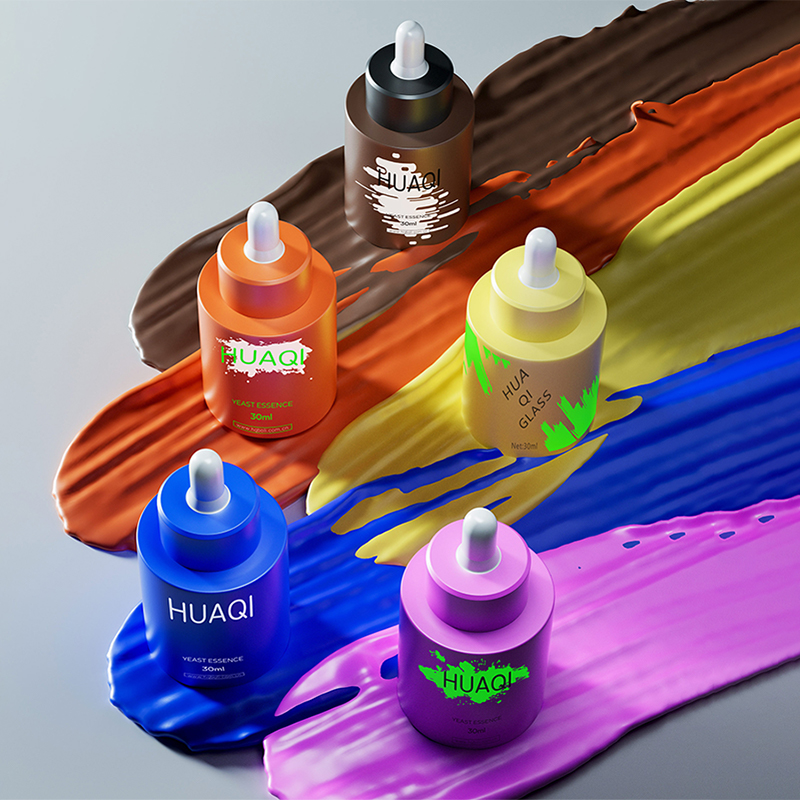
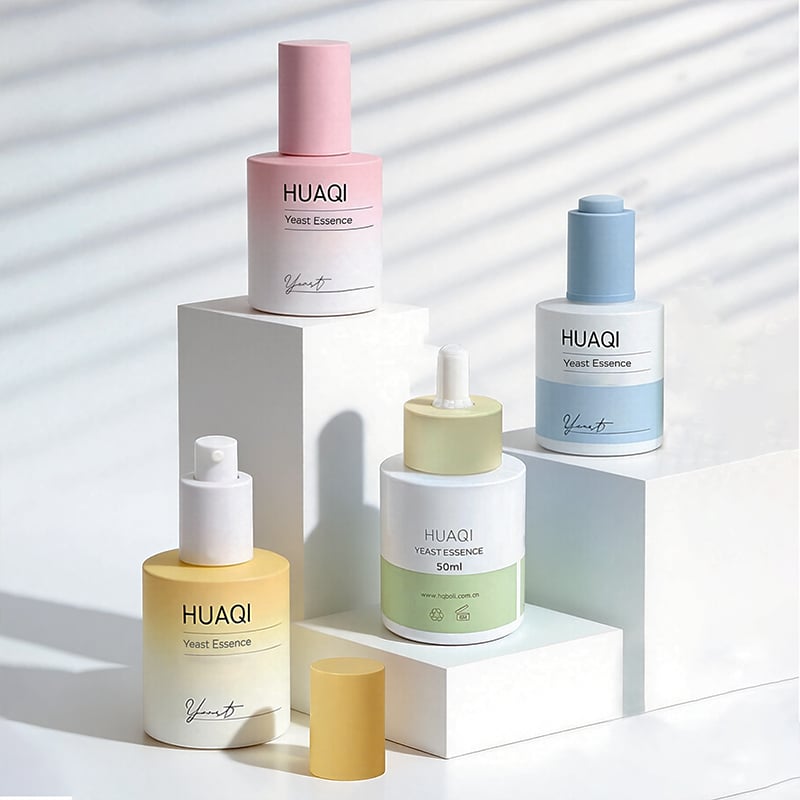
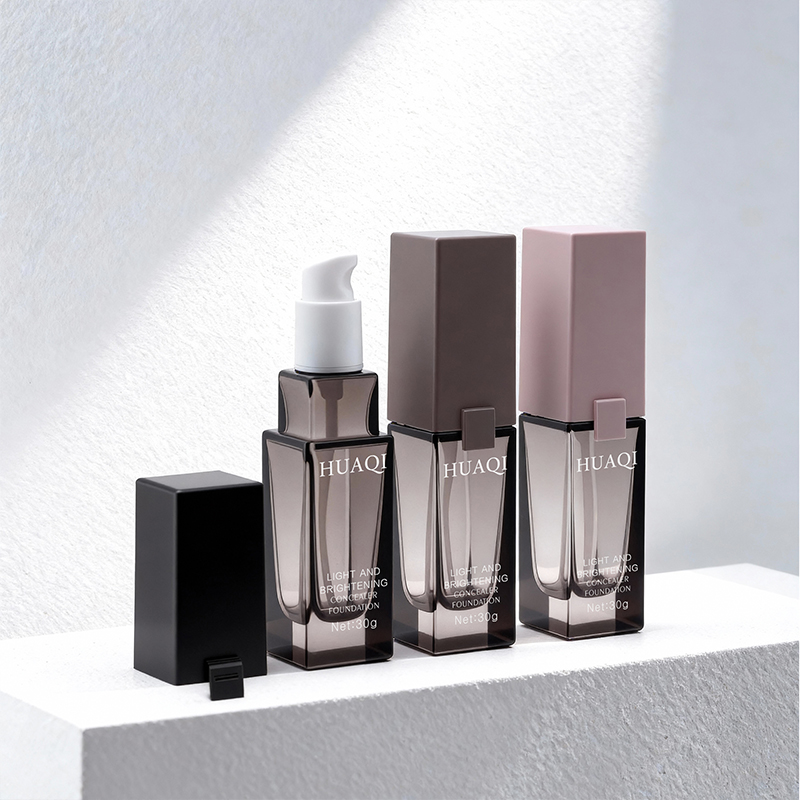
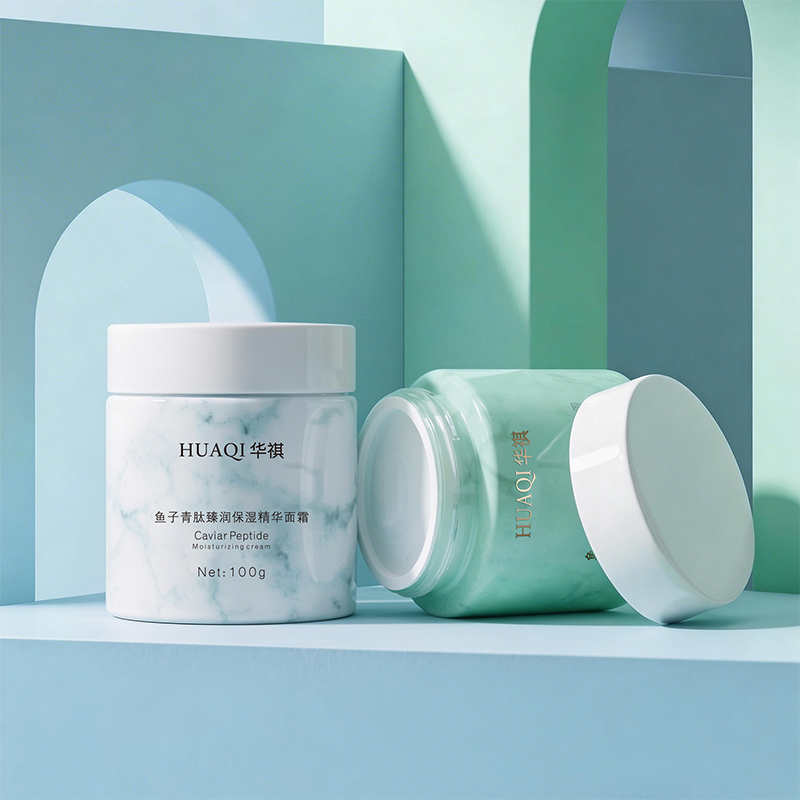
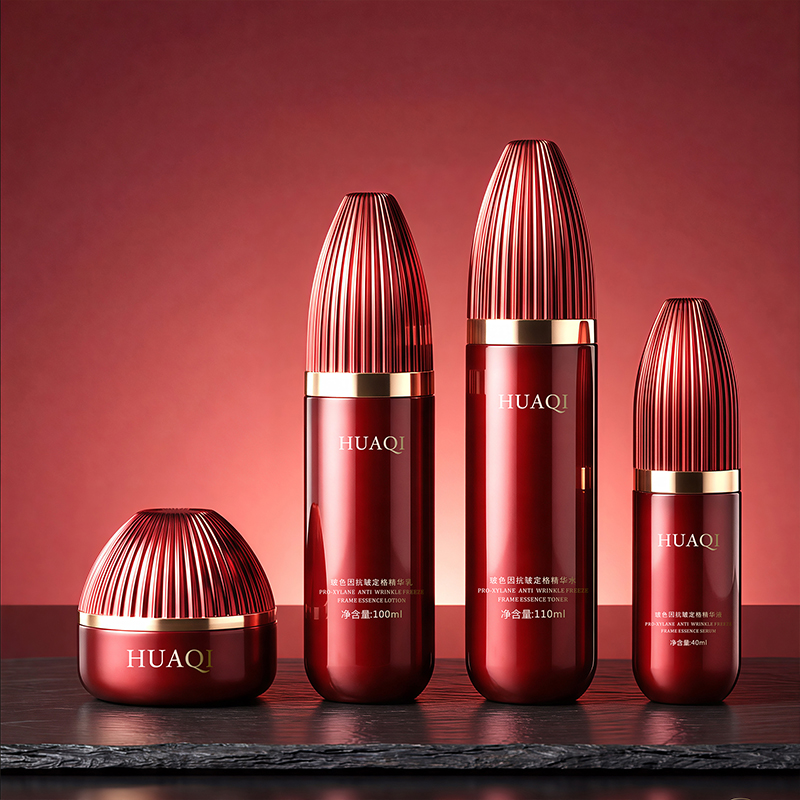
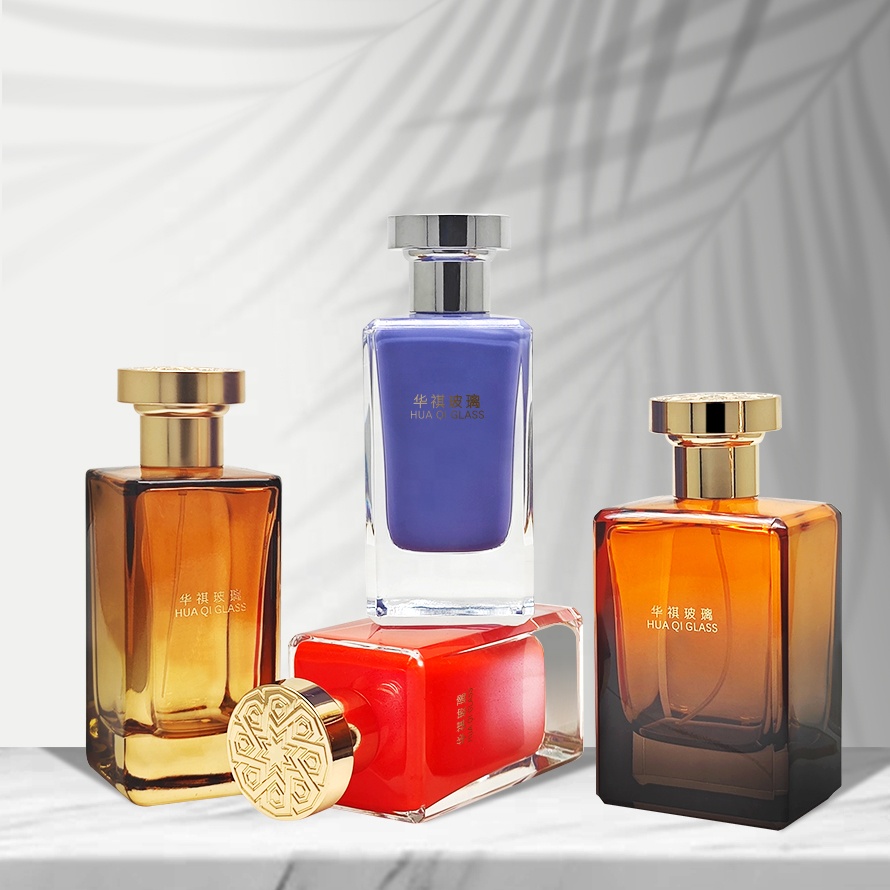
When it comes to making brands look better, glass packaging does something special. People notice things like how heavy it feels, how clear it is, those really smooth finishes, and the way it feels when touched. Glass also has some serious green points going for it since it can be recycled forever without any chemicals getting mixed in. These days, customers who care about what they buy tend to see being environmentally friendly as part of what makes something luxurious. The design possibilities with glass are another big plus. Brands can play around with different looks from matte surfaces to fancy engraved details, unique bottle neck shapes, and those simple, old-fashioned pharmacy style bottles. All these choices help create memorable packaging that stands out when someone opens it, which naturally leads to more people talking about it on social media. For high end beauty products and perfumes, glass packaging goes beyond just holding stuff inside. It actually speaks volumes about what the brand stands for, shows attention to detail, and demonstrates real dedication to caring about both customers and our environment over time.
The L'Oréal "Sharing Beauty With All" sustainability initiative has positioned glass as central to their premium refill strategy because it works so well both environmentally and aesthetically. When they put those fancy skincare and perfume refills into glass containers, they're actually working toward that 2030 target where all packaging will be recyclable, plus keeping up with what customers want these days - products that can be reused instead of tossed after one use. What's interesting is how this mirrors what's happening across the beauty sector overall. Big names aren't seeing sustainability just as something expensive anymore, but rather as a way to spark new ideas. Glass helps them tick off several boxes at once: meets regulations, performs great functionally, and still creates that special connection consumers feel with certain brands. And best of all, this isn't some niche experiment, it scales pretty well for mass production too.
 Hot News
Guangdong Huaqi Packaging provides premium cosmetic glass bottles, perfume bottles, and custom caps for global beauty brands. ISO9001/REACH certified, 8000+ molds, 95% repeat orders. Request OEM/ODM quote today.
Room 416, 4th Floor, Building A, Enterprise Service Center, No. 1 Guangzhou Road, Guangzhou (Qingyuan) Industrial Transfer Park, Shijiao Town, Qingcheng District, Qingyuan City
Copyright © Guangdong Huaqi Packaging Products Co., Ltd. --Privacy Policy

 EN
EN