 ×
×
When choosing where to buy perfume bottles wholesale, B2B clients often find themselves stuck between several tough choices. Direct OEMs give maximum customization possibilities - think everything from how thick the glass should be right down to special sprayer mechanisms - but come with big catches. Most want orders over 10,000 units and take around two months to deliver. On the other side of things, regional distributors can get products out much quicker, sometimes within a month, and ask for far smaller minimum orders ranging from 500 to 2,000 units. They keep stock ready to go though, so they don't offer as many materials or let brands personalize stuff as much. Online B2B platforms sit somewhere in the middle, usually asking for at least 500 units with production taking about 45 days. But here's something interesting: according to recent industry stats from 2023, just under 40% of manufacturers listed on these platforms actually have their own mold making capabilities. That means whether someone can customize depends entirely on who they work with. For new brands getting started, working with distributors makes sense because it gives them more flexibility. Established companies looking to cut costs typically go straight to OEMs once they reach certain volume levels.
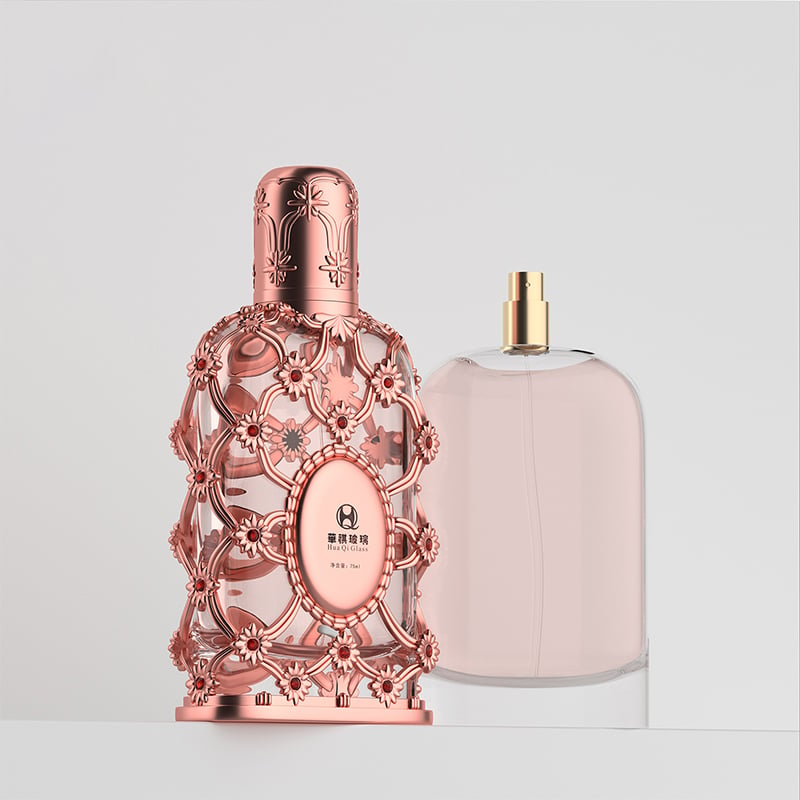
One direct-to-consumer fragrance company cut their landed costs by almost 27% when they switched from using a regional distributor to working directly with a certified Tier-2 OEM manufacturer. The bottles looked exactly the same on the outside, but the difference was in how they sourced them. Instead of shelling out extra money for each unit through middlemen, they invested $15,000 upfront for tooling spread across 50,000 units. This move removed three steps from their supply chain entirely and shaved 19% off their logistics expenses. They also brought quality control in house, which made sure those little seals resisted ethanol breakdown over time. Regular factory checks confirmed everything met ISO 22716 standards for cosmetics manufacturing and passed ASTM D4332 tests too. These weren't just paperwork requirements—they actually protected against defects that often pop up in lower quality production channels. Looking at industry data, this isn't an isolated success story either. According to recent 2024 packaging reports, around 74% of brands that really dig into their suppliers' credentials end up saving more than 20% on costs within just 18 months.
New fragrance companies looking to get started often find that tiered minimum order quantity setups help them manage their initial expenses while still scaling production appropriately. Most manufacturers work with three main levels usually around 500, then 2,000, and finally 10,000 units. These different tiers spread out the costs associated with molds and tools as quantities increase. When someone starts small with just 500 bottles, about half of what they pay per bottle goes toward those setup costs. But when they reach the 10,000 unit mark, that same tooling expense only makes up around 15% of each bottle's price tag. This step-by-step strategy lets brands test their products in the market without needing massive amounts of money upfront. Some top manufacturers even let new businesses defer paying for tooling costs initially, collecting payment later through subsequent orders instead. This helps keep cash flowing better during those critical early stages for any startup.
Nearly one-third of perfume bottle wholesale buyers underestimate final costs by focusing solely on FOB (Free On Board) or DDP (Delivered Duty Paid) quotes while overlooking critical add-ons. True landed cost must include:
What materials we choose makes a big difference in how well fragrances stay fresh. Glass stands out because it doesn't react with ethanol at any concentration between 70% and 95%. Amber and cobalt glass colors are especially good since they block nearly all UV light, which helps keep products stable for over five years on store shelves. Aluminum containers also protect against sunlight pretty well, though manufacturers need to line them with epoxy coatings to stop corrosion when dealing with ethanol concentrations above 80%. PET plastic is popular because it's light and cheap, but there's a catch. Without special coatings, around 15 to 20% of the scent can fade away within just 18 months if stored in 90% ethanol solutions. Looking at industry numbers, about one in four shipments gets spoiled somehow when the packaging doesn't match what's inside those concentrated formulas.
| Material | Ethanol Resistance | UV Stability | Shelf Life (70% Ethanol) | Shelf Life (95% Ethanol) |
|---|---|---|---|---|
| Glass | Excellent | High | 5+ years | 5+ years |
| Aluminum | Good* | High | 4 years | 2 years* |
| PET | Moderate** | Low | 3 years | 18 months** |
| *Requires inner coating | **Barrier treatment essential |
Getting reliable function from sprayers depends heavily on proper testing procedures. The spray mechanism needs to keep droplets within a specific range, around 80 to 120 microns in size, throughout at least 10 thousand uses so the fragrance gets applied evenly every time. To check if seals hold up, they immerse the product in ethanol for 48 hours at about 40 degrees Celsius. If less than half a percent of the liquid leaks out during this test, it passes muster. Before actual testing happens, materials get conditioned according to ASTM D4332 standards, which means stabilizing them at room temperature with normal humidity levels first. This helps see how well things work when exposed to everyday changes in atmospheric conditions. Companies that stick strictly to these quality checks tend to see roughly 89 percent fewer complaints from customers about products drying out too fast or just not working properly. These tests ultimately protect both the fragrance quality and the company's standing in the market.
The primary sourcing channels for perfume bottles wholesale include direct OEMs (Original Equipment Manufacturers), regional distributors, and online B2B platforms. Each offers different trade-offs in terms of MOQ (Minimum Order Quantity), lead time, and customization options.
Tiered MOQ frameworks allow emerging brands to manage initial expenses while scaling production appropriately. They spread the setup costs associated with molds and tools across different quantities, helping reduce the per-unit cost as order size increases.
True landed costs include all expenses like compliance certifications, logistics premiums, tariffs, and storage fees. Many buyers underestimate expenses by focusing solely on FOB or DDP quotes, which leads to a significant variance between quoted and actual costs.
 Hot News
Guangdong Huaqi Packaging provides premium cosmetic glass bottles, perfume bottles, and custom caps for global beauty brands. ISO9001/REACH certified, 8000+ molds, 95% repeat orders. Request OEM/ODM quote today.
Room 416, 4th Floor, Building A, Enterprise Service Center, No. 1 Guangzhou Road, Guangzhou (Qingyuan) Industrial Transfer Park, Shijiao Town, Qingcheng District, Qingyuan City
Copyright © Guangdong Huaqi Packaging Products Co., Ltd. --Privacy Policy

 EN
EN